If you’re reading this, you probably know what Odyssey is. What you may not know is that if Odyssey doesn’t change its model, it’s likely going to be left in the dust. You may be scratching your head in confusion, so let me elaborate a little: Odyssey describes itself as a “social discovery platform” – that’s fancy talk to say that we, the writers, write articles each week and then share them on social media, and hope that others comment on and share them as well. It means some other things too, but that is the relevant part of it as far as this article is concerned. Now, that is roughly the “front end” of Odyssey: the bit that you, the reader, see. The back end is a little more complex. Like many sites that utilize entry level content creators, Odyssey does not technically pay: I do not receive any kind of regular wage for doing this. Odyssey is much better than a lot of other sites – including some fairly high profile news sites which I will not name – in that it at least offers its top writers paid incentives. We, as writers, are organized into communities, and in healthy communities (those that are functioning as intended) the writer each week whose article gets the most shares receives $20. There is also a system of monthly bonuses based on page views for those who get a large number of views each month, but that is, again, not terribly relevant to this article.
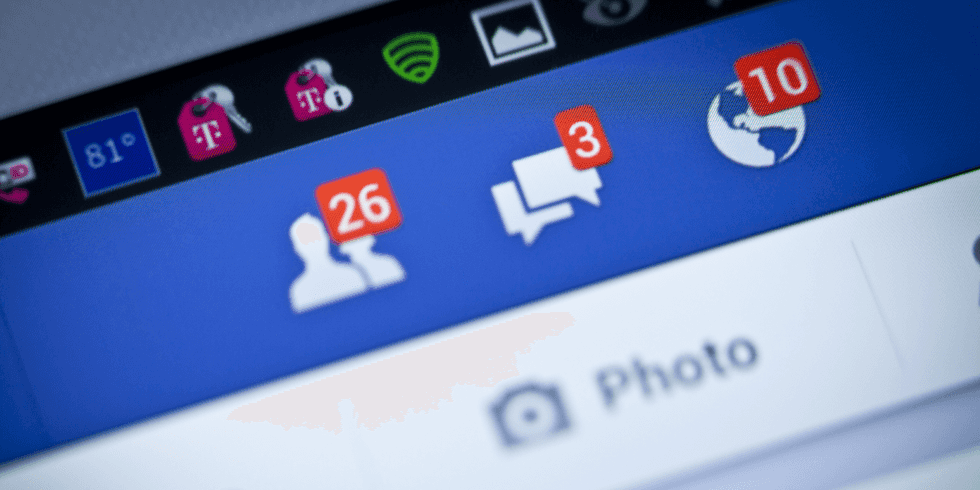
What is relevant is those shares. While I say “shares” and the official Odyssey documents also say “shares”, that isn’t quite accurate: what is actually counted is Facebook interactions – these can be shares, but likes, comments and reactions all seem to count as well. Therein is where the problem with Odyssey’s current model lies, because only interactions on Facebook count (which, by the way, means that if you ever read an Odyssey article you like, the best way you can show appreciation to the author is to interact with it on Facebook in some way). Odyssey markets itself as a platform for millennials – currently, the age group roughly between the ages of 18 and 34 or so, but the platform seems to mostly focus on the younger side of that group. Most of its writers are college-aged, and – as one might expect from college students – most of their audience is of a similar age group, particularly given the focus on Facebook. That is more or less fine for the moment, but there is trouble brewing on the horizon, because young people just aren’t using Facebook the way they used to.
Anecdotally, I remember most of my friends adopted Facebook as soon as we turned 13 – or a year or two beforehand while lying about our ages – which was around middle school. In contrast, my little sister just started college (she also writes for Odyssey and you should totally check out her articles, by the way) and her friends, for the most part, did not adopt until high school. The trend, of course, doesn’t end there. We are both former band geeks, you see, and so interacted throughout our time at school with people of all grades, thanks to band not being a grade-specific class, and I recall my sister complaining that it has become harder to organize events for band using Facebook, as many of the freshman, sophomores, and juniors simply did not have it: it isn’t important to them.
Don’t just trust anecdotes, though. Time records that teens are fleeing Facebook by the millions, and Pew found that the youngest teens just aren’t using Facebook, with only 44% of 13-year-olds surveyed being on the site. Some have suggested that this is because Facebook is no longer “cool” due to the rise of our parents’ and relatives’ use of it: after all, who wants grandma judging you for posting an inane status? Some data seems to suggest that young people are just transitioning to more private apps, since broadcasting your life for the world to see isn’t that appealing after all. Regardless of the reasons, the trend seems clear: Facebook is losing the current crop of teens. This is bad news for the Odyssey’s current model: if the website continues to target the collegiate demographic, within the next few years it’s going to find itself asking authors who don’t even have Facebook to measure their success by sharing their articles on the platform, which means that it is going to find itself with many fewer people to write for it.
This is not, of course, doom and gloom: it merely means that Odyssey will have to adapt in order to survive. It would be easy enough to start counting interactions on social media other than Facebook, and it might even be a good idea to adopt change early: Facebook isn't the place where everyone can attract the best audience, and it can only be good for Odyssey if it does more to encourage sharing on alternative social media.