
As a political power, North Korea is very rarely treated with any degree of serious regard; with the current, backwater condition of their technological industries, one should hardly be surprised.
Having said that, North Korea's recent launch of a long-range rocket was both successful and largely upsetting.

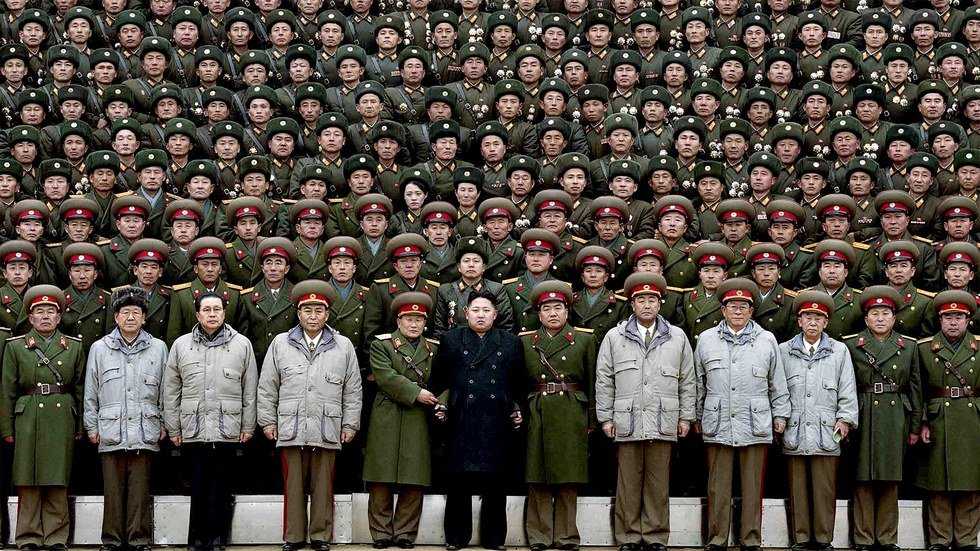
Pictured above is a political rally held in Pyongyang.
At 9:31 a.m. (or 00:31 GMT), South Korea detected the launch. By 9:36 a.m., the rocket was no longer on South Korean radar screens. Though no damage was reported, this development of North Korean technology poses concerning questions for the international community.
Supposedly carrying a satellite, this launch marks North Korea's sixth attempt at a long-range rocket test. But there's currently a large consensus that the DPRK's claims are covering up the true intention of the launch: a test for intercontinental ballistic missile technology. Whether this is true or not remains to be seen.
International response to the launch has been largely negative.
According to U.S. National Security Adviser, Susan Rice, the launch "represent[s] serious threats to our interests, including the security of some of our closest allies."
Furthermore, Secretary of State John Kerry remarked, "This is the second time in just over a month that the DPRK has chosen to conduct a major provocation, threatening not only the security of the Korean peninsula, but that of the region and the United States as well."
Chinese spokeswoman Hua Chunying commented that China hopes to calmly resolve the conflict without escalating the situation.
After the signing of an armistice in 1953, there's been considerable tension between North and South Korea. The border between the two nations is pictured above.
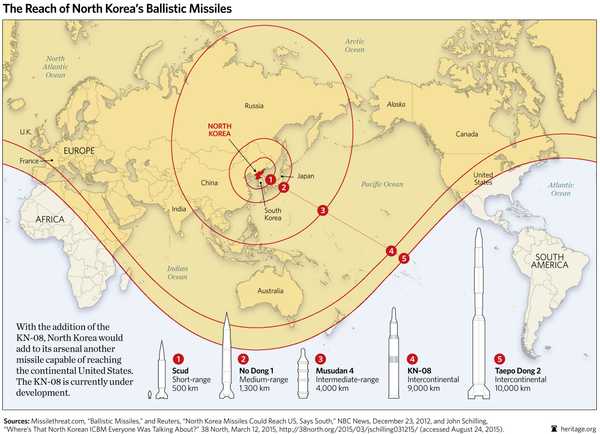
The range of the launched rocket is of particular note. According to news sources, the missile is believed to have a range exceeding 6,000 miles, which would put the western border of the United States within range of North Korean weaponry (to say nothing of South Korea and Japan).
The exact extent of the potential threat this represents in the long run is still ambiguous. In a statement issued in 2013, John Kerry said, “[T]they have conducted a nuclear test, so there’s some kind of device. That is very different from miniaturization and delivery. Does it get you closer to the line that is more dangerous? Yes.” While North Korean technology has clearly improved from this point, the exact level of concern warranted is unclear.
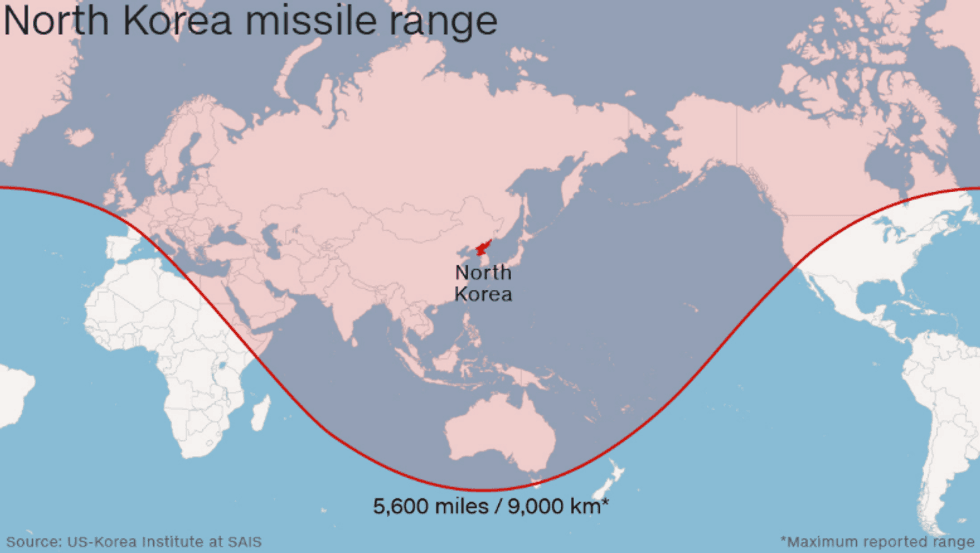
The above image (courtesy of CNN) shows the approximate range of the North Korean rocket in red.
The political fallout of North Korea's action is already visible. An emergency meeting of the U.N. Security Council has been scheduled. China, North Korea's largest investor, is almost certainly guaranteed to be placed under greater pressure for their support of North Korea.
Hopefully, this development does not bode ill for South Korea or Japan.