

As a current college student studying to become a music educator, and also a veteran member of choirs, musical theatre troupes, and a performing arts high school alike- I can definitively say that talent is one of the most unimportant aspects of successfully pursuing music.
From a young age children are taught that some have talent, and that some children do not. Quickly this distinction between the “talented” and the “talentless” creates a deep and damaging divide between the two types of children. This problem is emphasized by music and arts programs often being underfunded and lacking in public elementary and middle schools (ironically enough, this is due to the fact that music and art classes are not considered beneficial to students who are “untalented”- but more on that later) These “ungifted” children then grow up being totally discouraged from the arts all together due to both a lack of support and therefore a lack of determination to work hard and improve themselves in an area that they may be passionate about. This deprives them of the profound effects and benefits that music and art can provide in the lives of individuals- such as an outlet for dealing with emotional stress, a way to promote and encourage organizational and disciplinary skills, and even a way to develop sharp cognitive critical thinking abilities.
In a study by Boston Children’s Hospital reported on by Psychology Today, there is tangible evidence that early development in musical skills specifically strengthens executive reasoning within the brain- which correlates to elevated IQ levels and high general intelligence- So why is it that these benefits are reserved for the musically elite- and not used effectively to better the next generation of young minds?
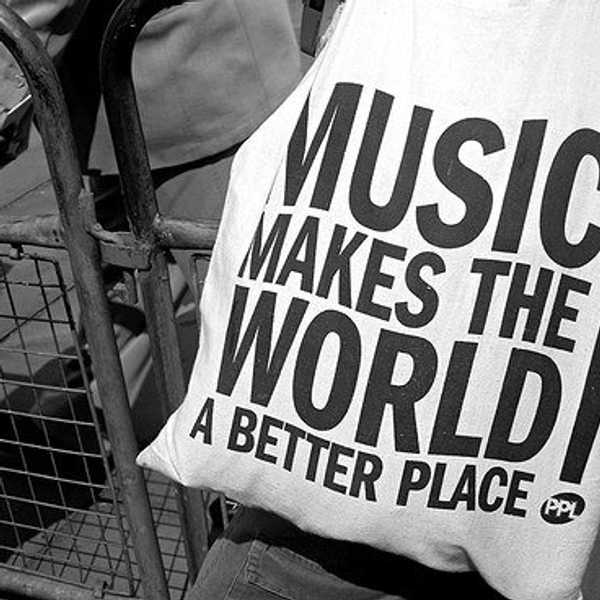
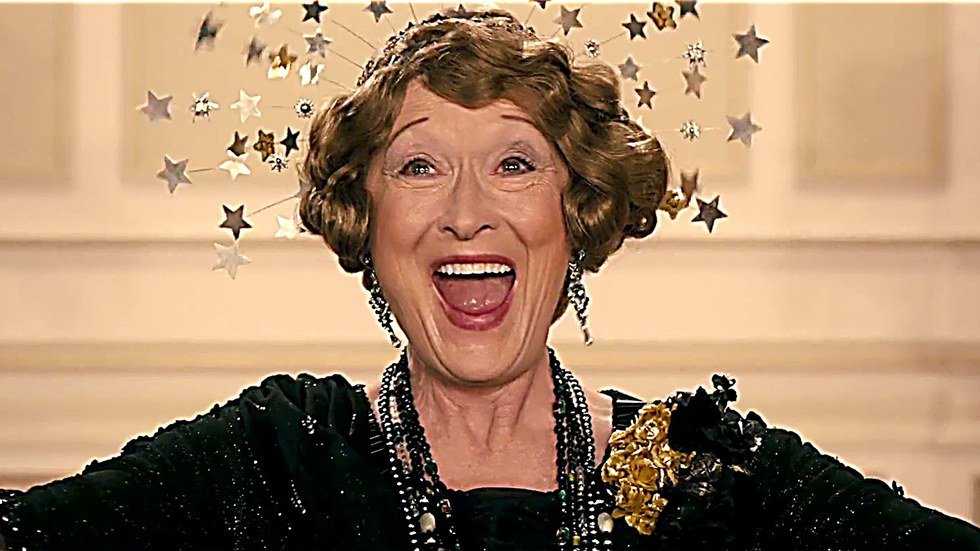
Aside from the intellectual benefits- I have never met a person in my entire life who did not enjoy any kind of music. Not that I am claiming that there aren not such people in the world- but the vast majority of mankind can rock out to SOMETHING- whether it be Shake it Off by Taylor Swift or Mozart’s Requiem Mass in D minor. Music makes us as humans feel good, whether it helps us forget about our troubles or relate to others in a more effective way. Since music is meant to be heard and appreciated like this, The simple fact that a musician enjoys making music (no matter how good or bad said music sounds) means that individual has been successful in his or her artistic journey. The same applies to visual artists who may spend hours painting a portrait that may or may not ever be showcased. Performing in concerts, being featured in museum exhibitions, or being casted in an opera don't speak to any real success if the performers and creators aren’t in it for the right reasons- because true success in artistry is not defined by fame or fortune. The sole purpose of the visual and performing arts is to enrich lives, first that of the artist and then by extension the lives of all who meet them. The infamously untalented operatic soprano Florence Foster Jenkins once said : “They may say I can’t sing, but they’ll never say I didn’t sing”, and her brilliantly confident attitude toward pursing her happiness through her love of music despite her complete inability to match pitch, rhythm or form any sort of dynamic competence is why she ended up selling out a concert at Carnegie Hall- and more importantly it is why she should be an inspiration to every aspiring musician. Her commitment to her art and her own happiness is what all artists should strive to achieve- and it is the only measure of tangible success there is in the world of performing arts.
All children should be exposed to the arts and given opportunities to pursue what they love, both to better themselves and enrich the world with creativity- no talent necessary.

















