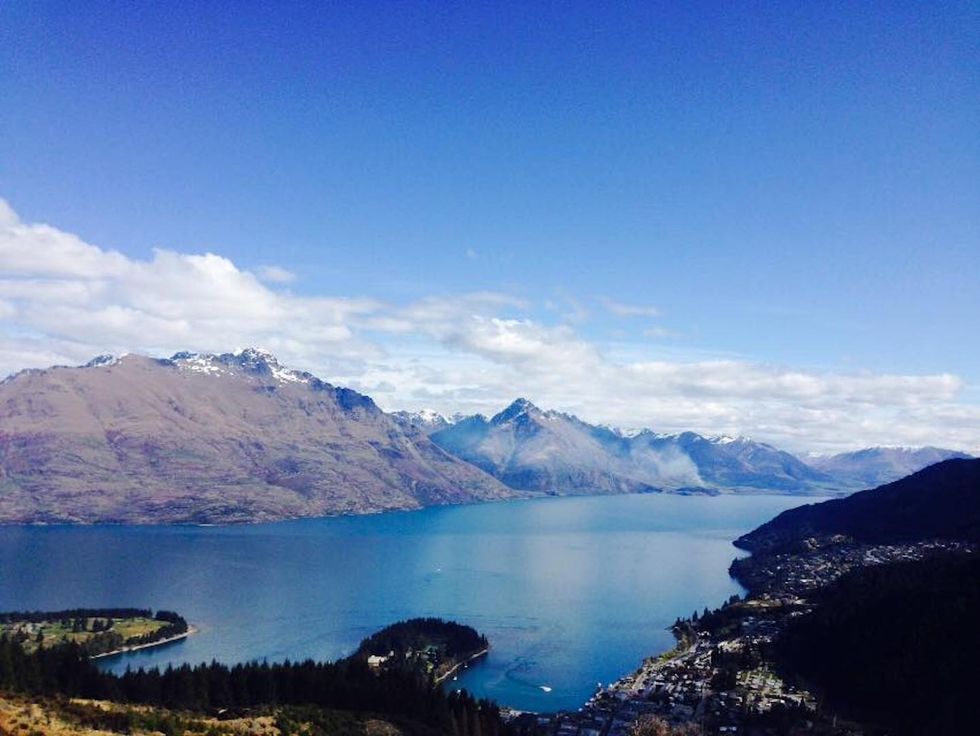
New Zealand is known for many things: Lord of the Rings, Hobbiton, being the adventure capital of the world, endless outdoors activities… just to name a few - but, it is also known for being notoriously expensive. So, why would I, a backpacker- or any backpacker for that matter whom just depleted themselves on a year-long journey across Australia pick this place?
Well, other than to live out a lifelong dream of shouting “I’m going on an adventure!” whilst running through Hobbiton, this portion of the Oceania continent is just far to attractive to miss; there’s rich Maori culture, the opportunity to be surrounded by beautiful mountains and beaches, skiing and snowboarding to die for (not literally), windy roads through beautiful landscapes and so much more.
New Zealand is becoming more and more backpacker friendly so planning a trip through these islands certainly isn't rocket science, but I didn't know all these things before making a conscious decision to get myself there on a budget and make it through the year-long working holiday visa I was provided- I sort of learned it all along the way.
While that was half of the fun, starting with a cheat sheet would've been a much appreciated advantage.
That being said, I'd done a working-holiday visa before this one and I had some newfound knowledge to apply to this journey on which I was about to embark. You shouldn't have to drain your bank account in order to enjoy a trip. Living in New Zealand was a life-changing experience for me and I think it can be for anyone else. Going to sleep underneath stars and waking up in the center of a bowl of mountains isn't topped by much on my list.
Think smart.
Firstly, drop the unnecessary consternation about being poor and the assumption that travel is a wealthy person’s luxury:
This is harsh, I know. But, even harsher than this is the fact that someone will always be poorer on this planet (actually majority of the world’s population). If you are able to read this digital copy of this article you're already at a massive economic advantage because more than half of the world’s population doesn't have access to the internet.
I get it, it's not easy. Expenses, debts, medical bills, tuition… they all pile up. I'm not saying that everyone is capable of buying a plane ticket right now just because they have access to the internet - but, I found that a lot of my anxiety during traveling stemmed from stress about money and not having enough of it. I learned eventually, that where there is a will there surely is a way… especially when you are in a first world country with clean water and internet access.
New Zealand’s cities are filled with friendly people who are willing to help backpackers and an abundance of free wifi- all I really needed to do was get myself there and I was able to navigate the rest by finding free accommodation, working, cutting back on luxuries and networking with my fellow travelers.
Standing outside a McDonald's in Queenstown is where I happened upon this little gem called Couchsurfers (which i’ll talk about more deeper in this article) that helped me find places to sleep, so the tools help those of us who need to budget do exist! A negative attitude will definitely not get you out the door. Adjusting your expectations and outlook is essential to enjoy a well budgeted backpacking trip.
Stay smart.
If you're a seasoned traveler then this is something you probably already know. Staying in hostels can cut the cost of a nights accommodation in half, if not more. Staying in hostels is also how I made some of my dearest friends that I still keep in contact with -and having an international network will only save you more money on your next adventure when you have a friend’s couch to crash on.
Make sure you're planning your accommodation as far ahead as you can. It's super fun to live on the edge until you find yourself in the middle of ski season, dead of winter and all hostels are booked up (yes, this happened to me). Hostel World is a great outlet to plan ahead and compare prices. Hostels offer great work for accommodation opportunities as well.
While I certainly will not promise a lavish stay with mini-fridge and pool access… you'll get a nonparallel experience and meet amazing people. There are many sites that will connect you with hostels that are looking for workers in return for food and accommodation.
I was lucky to walk into an opportunity during my lengthy stay in Queenstown where I cleaned 2 hours in the morning to receive free accommodation, often free food and free laundry. The hostel I stayed at was called Southern Laughter Backpackers. This hostel even featured a hot tub which we had access to all day!
Another option for cheap or even free accommodation is Couchsurfing. Couchsurfing is a network that safely connects travelers to hosts and travelers to other travelers. It finds you people who either have a couch for you to crash on or a room for you to stay in. Couchsurfers is a strong, world wide community and hosts as well as travelers must have a developed profile with references to be considered. They also give you the opportunity to communicate with other travelers in your area to plan trips and meetups.
WWOOFING (world wide opportunities on organic farms) is by far one of my favorite ways to find accommodation and I honestly wish I did more of it. The WWOOFing website bridges volunteers to organic farms where hosts may need some extra help.
In return, the volunteers get accommodation and food. The length of stay is dependent on the specific farm you find yourself on and that will all be negotiated with your host. It’s important to consider that agricultural work can be hard and you will get dirty! But, if you’re anything like me and love rolling around in the dirt with the critters… then this is definitely a life changing, money saving experience for you.
And don’t forget Airbnb! Given, it is a lot pricier than these other options… but there is still the opportunity to stay with a local, lovely family... and nothing beats your own bed and a nice shower after a while of hiking. Airbnb is also a great option to consider when all hostels and hotels are booked out. Airbnb is especially useful when you find yourself in an area with less hostels.
Travel smart.
While using public transportation in a brand new city, not to mention, country can seem like a daunting task and taking taxis may be very tempting; I can assure you that you’ll be much better off taking some time to learn the buses around you because taxis add up to be a very costly.
As each town and city has different bus routes, I won’t go into it much here but ask your host wherever you stay where to find a bus route map and money card. Aside from taking the city/town public transport, you can also use buses to travel the north and south island of NZ. Both Intercity and NakedBus are highly recommended and cheap.
Relocating a vehicle is another brilliant way to beat the costs of driving cross country by paying just $1 a day to transfer a campervan or another vehicle from location to location. There are many companies that do this, however, JUCY car rentals is probably one of the most renowned.
If you’re feeling a tad more adventurous, hitch a ride! When you arrive at your location join multiple backpacking boards and groups via Facebook and it’ll all just fall into place from there. People are always looking for an extra person to help pay for gas, and this is a great way to meet people who may be going the same direction as you are!
Work!
Lastly, getting a job is a great way to support your travels. It may sound slightly unattractive to work while you’re away on a trip… but this is how I managed to see majority of this amazing country and save money for my next trip. With a combination of working for accommodation and working at New Zealand’s very generous minimum wage you’ll likely end up leaving the country with more money than what you entered with.
There are many boards on which you can find employment, such as the backpacker board See if your country is on the list eligible for a working holiday visa. As a US citizen, my fee for this visa was actually waived (which I totally wasn’t expecting!) Just because a working holiday visa is a yearlong does not mean you are in any way obligated to stay that long, though you may want to!
Before you know it, the year is up and you leave with new friends, new self-awareness, value for hard work and nonexchangeable real life experience all while having an amazing time in a beautiful country.