If I had to describe Netflix’s new sci-fi series “Stranger Things," I’d say it’s like somebody took the scripts for “E.T.”, “Pretty in Pink” and “Twin Peaks” and mashed them together into one giant production of mystery, horror and childhood adventure.
A throwback to 1980s films, “Stranger Things” at its best is an artistic thriller with moments of emotional intensity and raw adventure. At its worst, the serie is an original cliché, straddling the line between too heavily relying on tropes from the decade and doing just enough to subvert our expectations for what is to come next. (Disclaimer: even though “Stranger Things” is an 80s homage, I included the early-90s television series “Twin Peaks” because it was the closest equivalent I could think of).
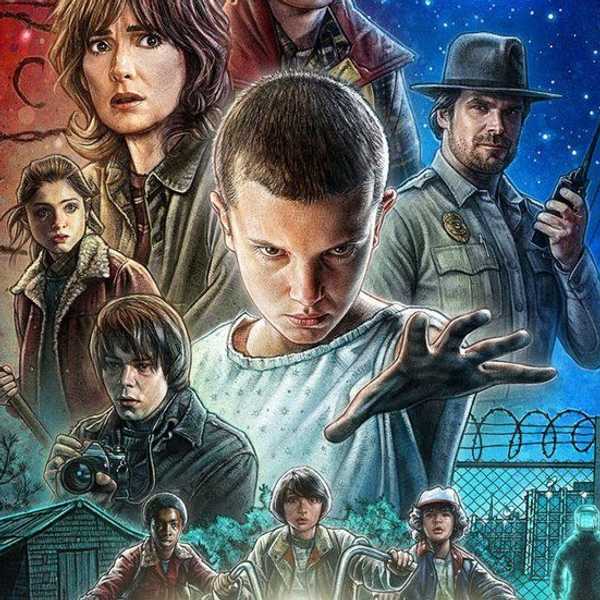
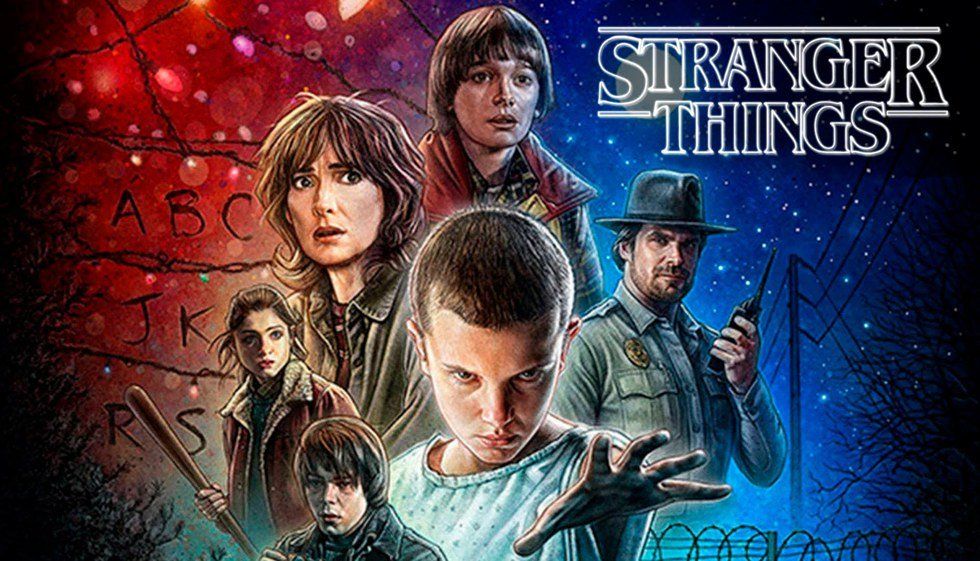
“Stranger Things” is the story of small-town Hawkins, Indiana, and the paranormal events that strike the community following the disappearance of young Will Byers and the appearance of “Eleven," a girl with telekinetic powers. And in the midst of it all, a secret government agency attempts to cover up failed experimentation, no-faced monsters and cracks in reality.

For better or for worse, the show separates its characters into three main groupings: adults, teenagers and pre-teens. Every group, however, has the same objective, which is to discover the location of the missing Byers kid and uncover the town’s mysterious incidents. The upside to this “divide and conquer” format is that one group doesn’t know what the other two know until the last possible moment, which creates a higher level of suspense and mystery. The downside is that there’s never a vertical shift in the group alignment, severely hindering prospective character development and confining the characters to certain stereotypes:
The two main adults, local sheriff Jim Hopper and Will’s mother Joyce Byers, inch dangerously close toward being part of the trope that “Adults are useless." They are present for a lot of the action, but rarely do their choices actually affect the events around them.
For their part, the teenagers spend more time than is necessary building the classic 80s “love triangle:" studious girl Nancy Wheeler, popular bad boy Steve Harrington and quiet nerd Jonathan Byers—Will’s older brother.
And as for the kids, each one fits almost too perfectly into a certain personality type reminiscent of “The Goonies”—the nondescript but fearless leader Mike Wheeler, the aggressive pessimistic Lucas Sinclair and the chubby peacemaker Dustin Henderson.

With all that being said, it’s hard to say whether identifying each character’s role is a benefit or hindrance to the enjoyment of the series. While one part of me would have liked a little more originality, I appreciated the nostalgic factor in finding familiarity with what each person represented. In all honestly, that was probably one of the biggest factors that helped me get through “Stranger Things” psychologically, because—for all the small moments that perhaps did not work as well—the one thing the show was consistently great at was creating foreboding horror.
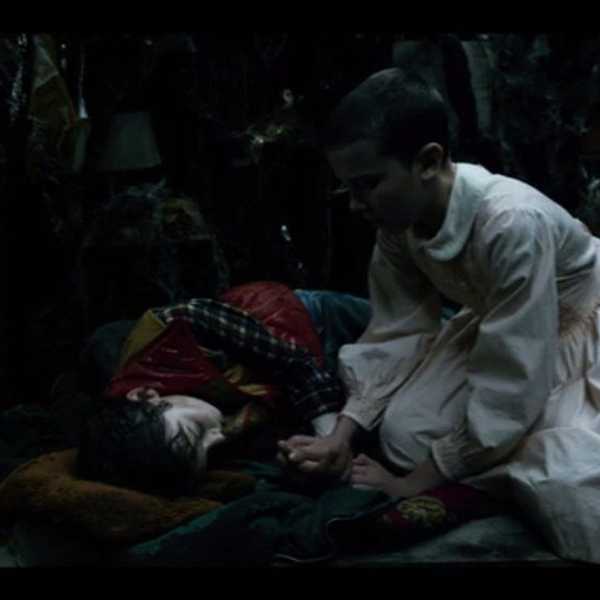
The cinematography and artistic design contributed mightily to a creepy atmosphere (the scene where Eleven initially crosses over into a new dimension was beautifully arranged), but the show’s true talent was in manipulating the audience’s learned distrust of small towns and exploiting stereotypes to create situations where I was constantly waiting for something awful to happen.
Overall, I highly recommend “Stranger Things” for people who crave for 1980s-style films/television to make a resurgence, and for anyone who loves high-intensity dramas.
Rating: B+ | 3.5/4 stars