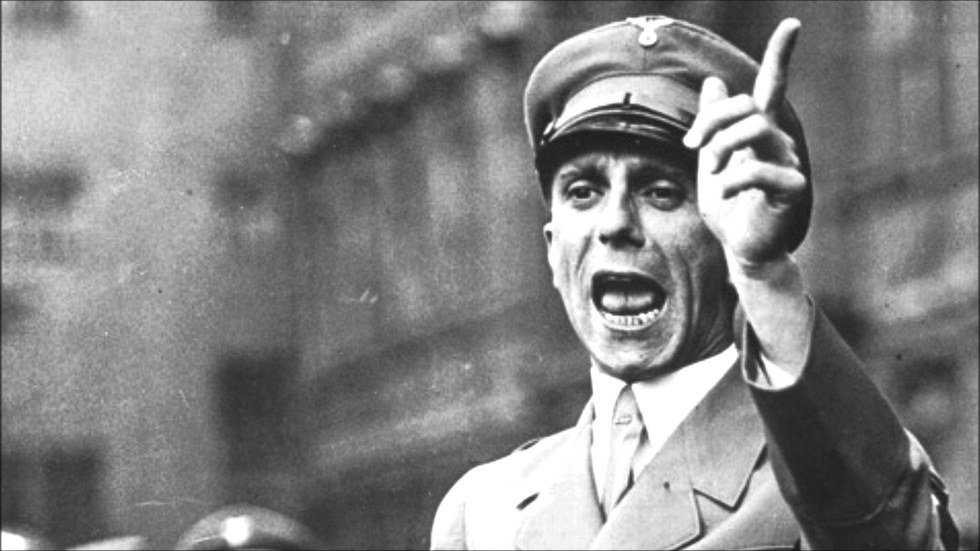
In Mein Kampf, Adolf Hitler writes, "Propaganda tries to force a doctrine on the whole people... Propaganda works on the general public from the standpoint of an idea and makes them ripe for the victory of this idea."
In simple terms, his minister of propaganda Joseph Goebbels says, “propaganda is good which leads to success, and that is bad which fails to achieve the desired result. It is not propaganda’s task to be intelligent, its task is to lead to success.” With the establishment of the Reich Ministry of Public Enlightenment and Propaganda (a very Orwellian title) in 1933, both men were able to accomplish these goals by essentially hijacking and infusing German culture with Nazi ideology. The most effective way of doing so was taking over the main forms of mass communication in so that no conflicting ideas could permeate the barrier of Nazi rhetoric and dilute the unwavering support of those loyal to the Third Reich. Moreover, it was important to enforce allegiance in order to maintain the police state and its systematic uses of intimidation and violence to keep people in line or make them disappear. As a result, the Nazis were very effective in relaying their ideas via the mass consumptive mediums of film and radio. In addition, one can wonder how effective Nazis would have fared with propaganda had social media been at their disposal in the 1930's and 1940's.
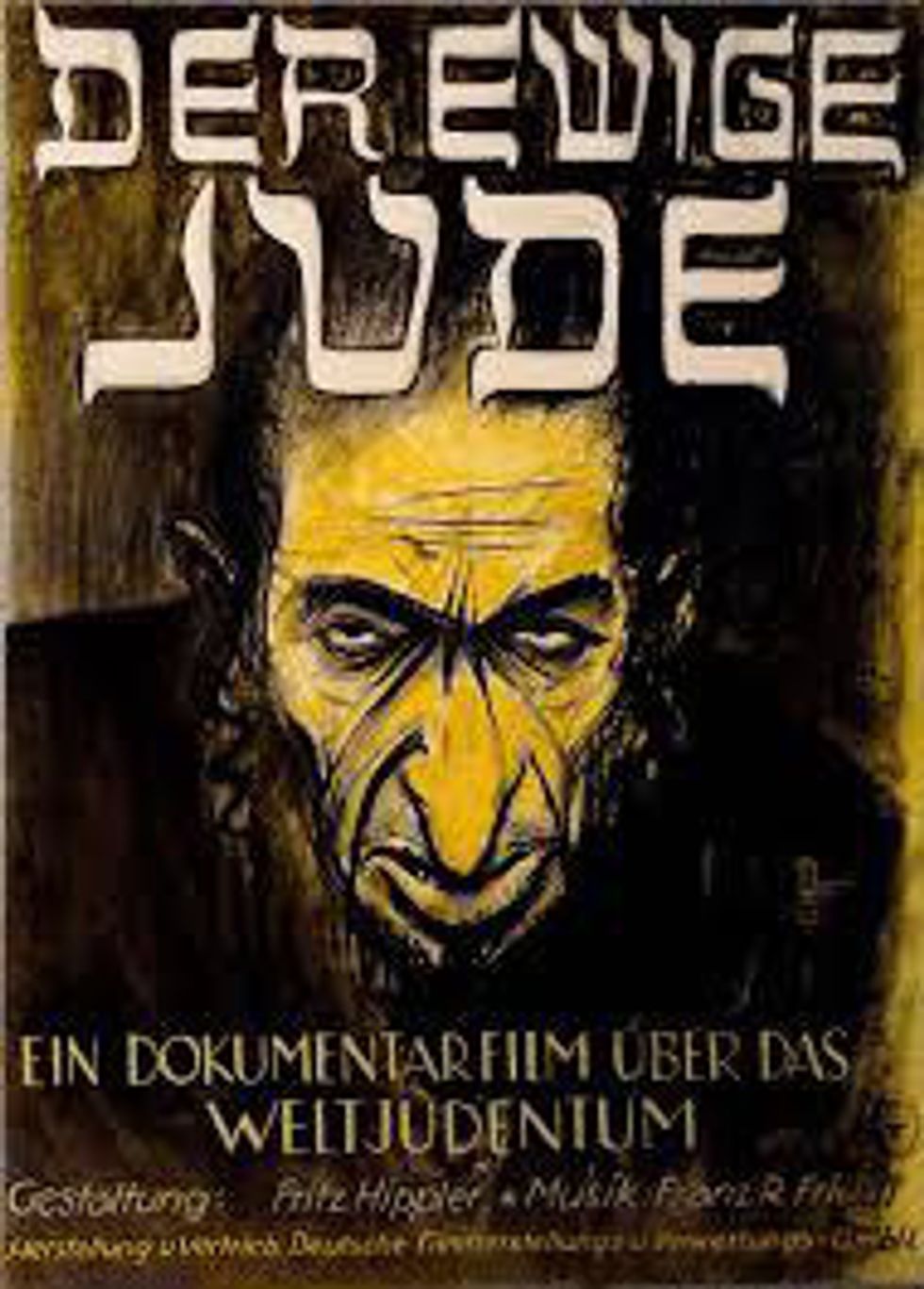
Still somewhat of a novelty in the 1930s, movies were a popular form on entertainment for the masses. With the introduction of the first “talkie” in 1927 (“The Jazz Singer”), the boundaries of filmmaking were being pushed farther than ever before. This proved fortuitous for the Nazi propaganda machine, as it could utilize sound as well as other techniques to create products that would both entertain and brainwash all at once on a number of different topics. These include but are not limited to: anti-Semitism, the Hitler Youth movement, the perfect Aryan race, and the return of Germany to its former glory. In terms of anti-Semitism, the Nazis were determined to rob the Jews of their dignity before exterminating every last of them. Fritz Hippler’s The Eternal Jew (1940) is a prime example, a documentary that likens Jews to parasites, labeling them as depraved, a blight on the German Master Race. It uses footage of Jewish life, filmed after the German invasion of Poland. The film (whose production was overseen by Goebbels) furthers the “Jews Rule The World” ideology set forth by The Protocols of the Elders of Zion in 1903.
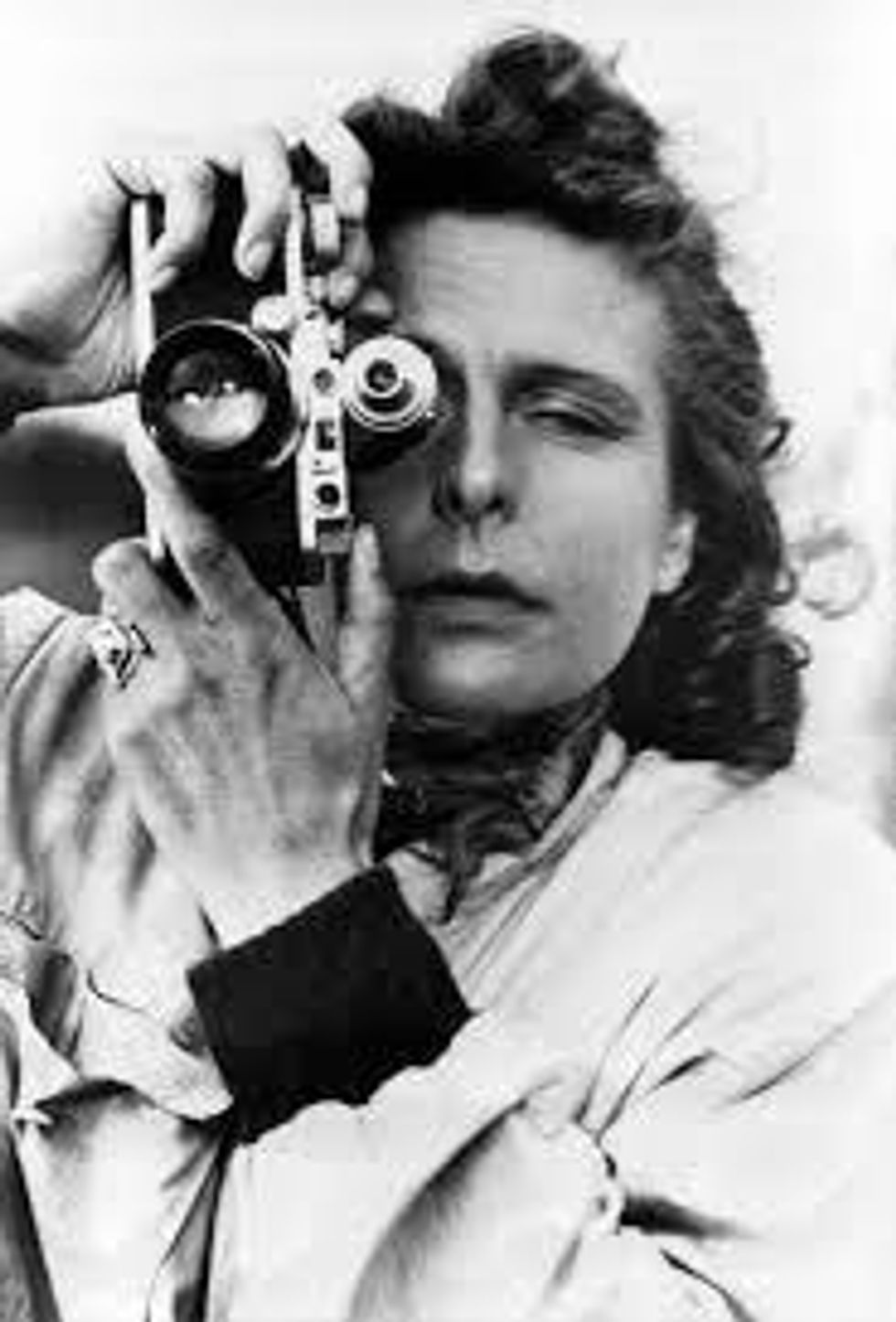
Exhibiting Germany’s excellence was another large aspect of Nazi propaganda in film. Perhaps the most famous Nazi filmmaker who explored this theme was Leni Riefenstahl. In fact, she directed, co-wrote, and produced 1935’s iconic The Triumph of the Will. The movie chronicled the 1934 sixth annual Nazi Party Congress/rally in Nuremberg, attended by 700,000 party supporters. With scenes of speeches, cheering crowds, and parades, the film is another documentary meant to be an example of the country’s rebirth and return to greatness on the world stage (“The Triumph of the Will”). Riefenstahl also directed Olympia (released 1938), which documented the 1936 Summer Olympics in Berlin and was meant to promote the physical advantages possessed by the German people over other nations.
This is quite ironic as the Olympic games are meant as a time for different peoples of all backgrounds to come together to share common ground, a tenant missing from Nazi ideology. While Riefenstahl was praised both in Germany and the United States, her films were meant to promote Nazi concepts of perfection and discrimination to large audiences. The Triumph of the Will actually inspired Why We Fight, the American series of films that served as both anti-propaganda to the twisted Nazi logic and to gain support for America’s involvement in WWII. Frank Capra, who directed most of these films, said that Will "fired no gun, dropped no bombs. But as a psychological weapon aimed at destroying the will to resist, it was just as lethal."