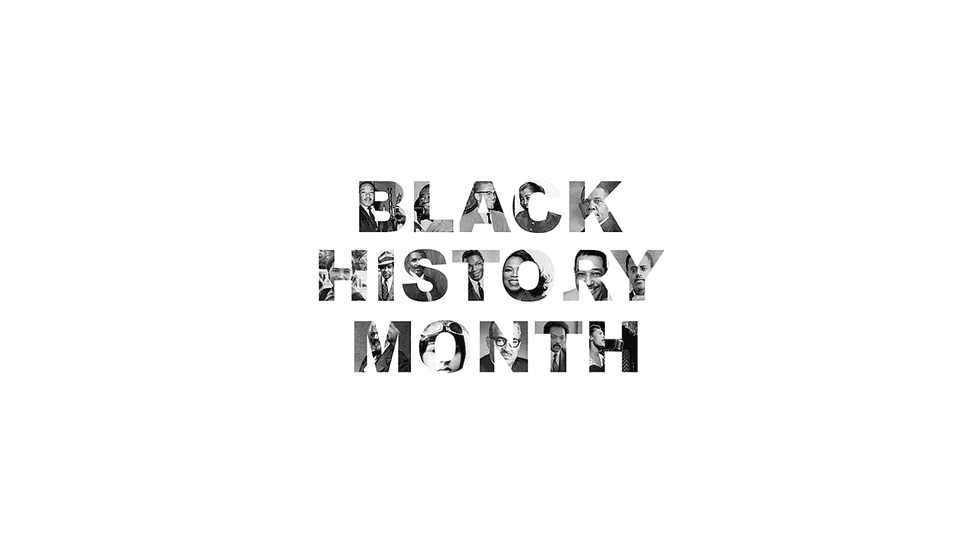
This February serves as the National African American History Month, a time to reflect upon the history of one of the most resilient communities that make up the fabric of our country: a history of reprehensible suffering and unconscionable struggle overcome by incredible sacrifice, hope and faith as a people. Reflecting on the immense contributions generations of African Americans have had on our ongoing journey as a nation to ensure the unalienable rights of all to life, liberty and the pursuit of happiness is of immense importance not only this month, but in the months beyond.
The following are some of the countless individuals who have dedicated their lives to this end:
Literary Influentials
1. Phillis Wheatley

The first published African American female poet, Phillis Wheatley was kidnapped and sold into slavery at the age of seven or eight in the late 18th century. Her great poetic talents and style made her a revolutionary of her time. Her book "Poems on Various Subjects" is a landmark accomplishment, making her the first African American and first U.S. slave to publish a book of poems, as well as the third American woman to do so.
2. Langston Hughes
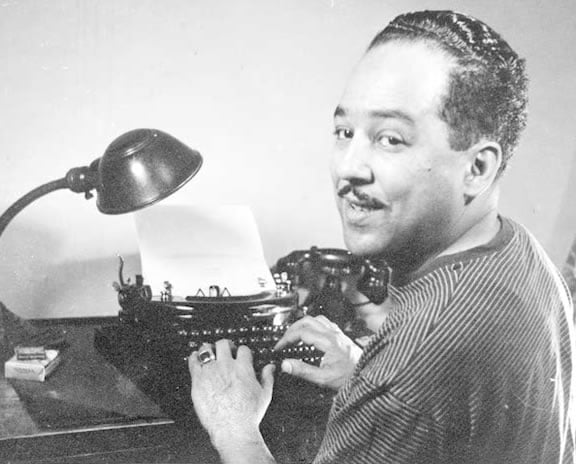
Langston Hughes, a leader of the 1920’s Harlem Renaissance, was an influential American poet, novelist and activist. Known for his jazz poetry, Hughes once wrote, “Hold fast to dreams for if dreams die, life is a broken-winged bird that cannot fly.”
3. Ralph Ellison

American writer and scholar, Ralph Ellison is best known for his novel, "Invisible Man," which addresses the social struggles facing the 20th century African American identity through his telling of a story of a man whose color renders him invisible. He writes, “I am an invisible man…I am a man of substance, of flesh and bone, fiber and liquids - and I might even be said to possess a mind. I am invisible, understand, simply because people refuse to see me.”
4. Maya Angelou
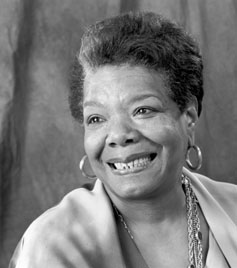
Most known for her reflections on identity and social division in her autobiography, “I Know Why the Caged Bird Sings,” Maya Angelou has rightfully earned much respect for her emphatic poetry, most notably her “And Still I Rise,” which emphasizes the need for endurance, strength and self-respect in the face of hatred and oppression. Beyond being a contemporary author, poet and historian, Maya Angelou is also remembered as the first African American female director in Hollywood and as the northern coordinator for the Southern Christian Leadership Conference at the request of Dr. Martin Luther King Jr. In 2010, her contributions were recognized by former President Barack Obama, as she was awarded the Presidential Medal of Freedom.
Abolitionists and Historic Figures
1. Denmark Vesey
In 1799, Denmark Vesey won the lottery and bought his freedom for $600 after nearly 30 years of enslavement. Many claim his inability to purchase the freedom of his wife and children served as his motivation to eradicate slavery. In 1822, Vesey and other leaders from the African Methodist Episcopal Church began plotting a rebellion. Nervous slaves leaked the plot to their masters, and on June 22, Vesey was captured and brought to trial. Shortly after, on July 2nd, he and five other men were hanged. This number reached 35 by the following month. The judge addressed the bold sacrifice Vesey made for this cause in his trial when he stated, "It is difficult to imagine, what infatuation could have prompted you to attempt an enterprise so wild and visionary. You were a free man, comely, wealthy, and enjoyed every comfort compatible with your situation. You had, therefore, much to risk and little to gain."
2. Nat Turner

Nat Turner, an African American slave, led a rebellion in 1831. In one of the most notable historical instances of resistance to enslavement, it is remembered as the only effective and sustained slave rebellion in American history. 56 African Americans accused of participating in Turner's rebellion were executed, while more than 200 were beaten by white militias. Turner successfully hid for 6 weeks but was eventually hung in Jerusalem, Virginia, giving his life to the cause of justice.
3. Frederick Douglass

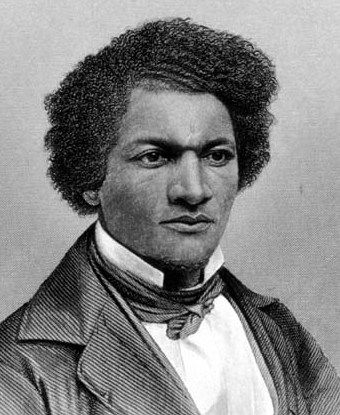
Born a slave in 1817, Frederick Douglass escaped at age 20 and eventually worked with the Underground Railroad to free countless others. He established the abolitionist newspaper “The North Star” in 1847 with the motto, “"Right is of no Sex - Truth is of no Color - God is the Father of us all, and we are all brethren."
4. Harriet Tubman

Successfully escaping slavery in 1849, Harriet Tubman was one of the most remarkable civil rights activists and abolitionists. Known as the “Moses of the people” leading slaves to the promised land of freedom in the North, Tubman led an armed expedition to liberate more than 700 slaves. In the span of 11 years, Tubman conducted the Underground Railroad and rescued more than 300 slaves.
5. Sojourner Truth
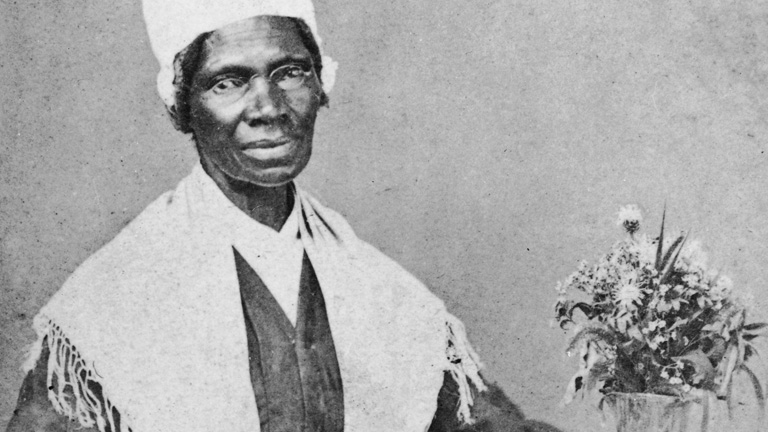
Sojourner Truth, now known for her work as an abolitionist and women’s rights advocate, was sold at the age of 11, appallingly with a flock of sheep, for $100. She fled from her master in 1826 and boldly and successfully challenged the legality of her son being sold into slavery after her freedom was achieved. In her 1864 meeting with President Lincoln, Truth advocated for the African American people to fight for their own freedom in wartime efforts. Truth delivered her famous “Ain’t I A Woman?” speech at the 1851 Ohio Women’s Rights Convention.
6. Booker T. Washington

Educator, orator and activist, Booker T. Washington, was born a slave on a Virginia plantation in 1856. He was allowed to attend school while working as a servant. Later befriending the founder of Hampton Institute in 1872, he was offered a scholarship. In 1900, he formed the National Negro Business League to promote the educational advancement and economic independence as prosperity achieved for the African American community. Washington was criticized for his passive approach, as complacent in the fight for equal rights; while he argued that African Americans accept their place in society, he secretly funded litigation for civil rights cases.
7. W.E.B Du Bois

An essential figure to racial equality, W.E.B Du Bois led the charge against Jim Crow laws. Du Bois and other African American academics, known as the Niagara Movement, organized to desegregate public transportation and gain voting rights for all. The National Association for the Advancement of Colored People (NAACP) was founded shortly thereafter to demand equal treatment and freedoms for all Americans, as their birthright.
Modern Figures of the Civil Rights Movement
1. Emmett Till

In August 1955, Emmett Till was tortured and murdered by 2 white men for allegedly flirting with a white cashier in Mississippi. At his funeral, Till’s mother decided on having an open casket; the mutilated face of this 14-year-old, stripped of his livelihood far too early, captured the hearts of many as his murderers were found not guilty by an all-white jury and ultimately fueled the Civil Rights Movement.
2. Rosa Parks

As many may recall, on December 1, 1955, Rosa Parks, in a bold and revolutionary act, refused to move to the rear of a Montgomery bus to the re-designated “colored” section after the bus was gradually filling up. Threatened to have the police called to arrest her, she calmly responded, “You may do that.” This peaceful act of defiance to the immoral status quo launched the Civil Rights Movement we still revere. On this, she stated, “people always say I didn’t give up my seat because I was tired, but that isn’t true…No, the only tired I was, was tired of giving in.” Nearly 381 days of boycotting and after a federal ruling of desegregation by Browder v Gayle took effect, Rosa Parks lived to see the day of dignity and humanity achieved, in the iconic photo seating her at the front of a Montgomery bus.
3. The Little Rock Nine

In 1957, in the wake of the Brown v Board of Education of Topeka’s historic ruling which outlawed segregation in public education, nine teenagers - Minnijean Brown Trickey, Carlotta Walls LaNier, Elizabeth Eckford, Terrence Roberts, Ernest Green, Jefferson Thomas, Thelma Mothershed Wair, Gloria Ray Karlmark, and Melba Pattillo Beals - arrived to Central High School only to be met by the Arkansas National Guard sent to “maintain and restore order.” Known collectively as The Little Rock Nine, these young students were placed at the frontlines of the Civil Rights movement, to carry the pain and endure verbal threats and physical attacks hurled at them from their peers. They are remembered for the struggle of desegregation.
4. Dr. Martin Luther King Jr.

The embodiment of the Civil Rights movement, Dr. Martin Luther King Jr. is revered by all for his wisdom, advocacy for peaceful civil disobedience, impassioned yet steadfast convictions, incredible oratorical skills, among many of his other noteworthy leadership capabilities. His work for the advancement of the African American community emphasized economic justice as a means for the prosperity of all: “I never intend to adjust myself to the economic conditions that will take necessities from the many to give luxuries to the few.” Arrested 30 times between 1955 and 1965, Dr. King is known for his iconic speech delivered at the March on Washington for Jobs and Freedom. “I have a dream,” he declared, “that my four little children will one day live in a nation where they will not be judged by the color of their skin but by the content of their character.” In his masterful "Letter from Birmingham Jail," he detailed the driving force for his work: “injustice anywhere is a threat to justice everywhere.”
5. Jimmie Lee Jackson
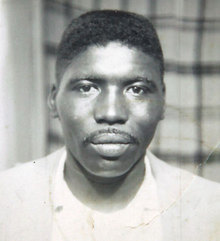
Jimmie Lee Jackson was shot and killed by an Alabama state trooper in 1965 after coming to the aid of his mother who was assaulted and beaten in a riot at a local café, ultimately dying for the cause of ensuring voting rights for all Americans.
6. John Lewis

John Lewis, the sitting US Representative for Georgia’s fifth district, was the chairman of the Student Nonviolent Coordinating Committee (SNCC) and later joined Dr. Martin Luther King Jr. in his historic March on Selma. Violence and brutality were received at the other end of the Edmund Pettus Bridge by Alabama state troopers, John Lewis among them.
History Made
1. Hiram Revels and Joseph Rainey
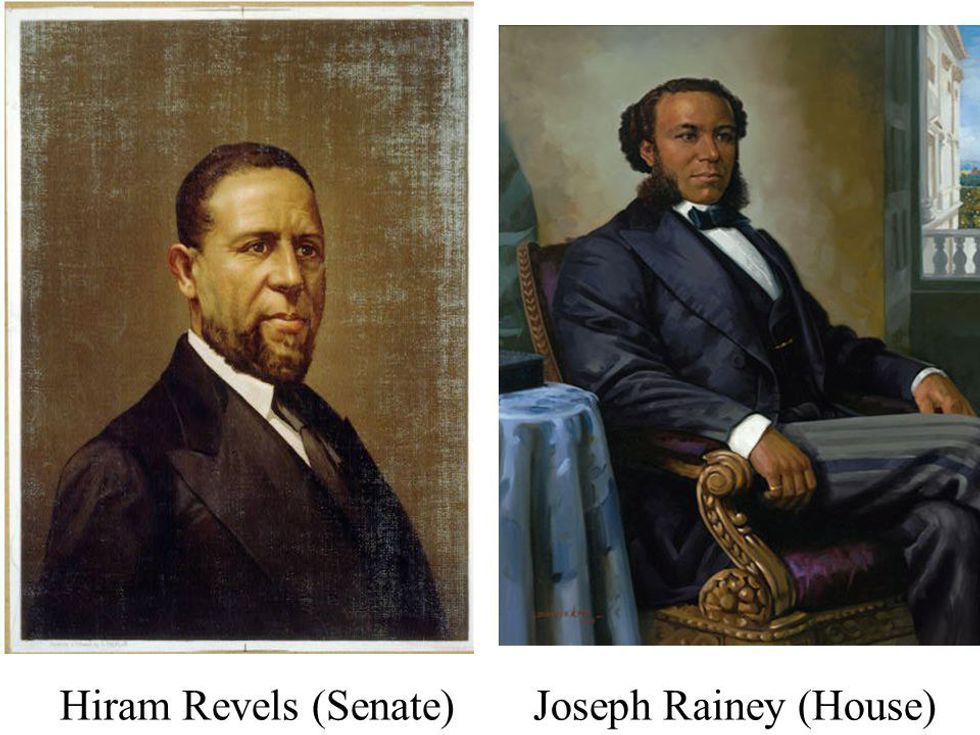
Hiram Revels and Joseph Rainey served as the first African American senator and US representative from Mississippi and South Carolina respectively. 153 African Americans have served as U.S Representatives, Delegates or Senators since 1870.
2. Shirley A. Chisholm
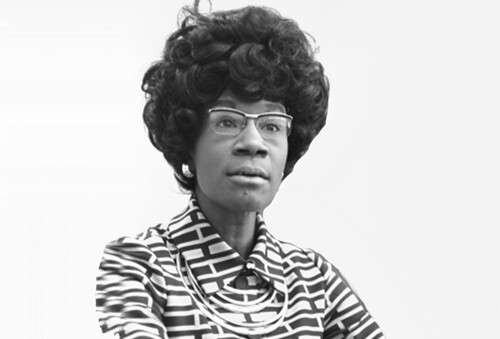
In 1969, Shirley A. Chisholm became the first African American woman to serve in Congress and was a founding member of the Congressional Black Caucus. In 1972, she ran for president on the Democratic Party ticket, making her the first African American woman to run for president. In discussing her legacy in 2004, she stated, “I want history to remember me not just as the first black woman to be elected to Congress, not as the first black woman to have made a bid for the presidency of the United States, but as a black woman who lived in the 20th century and dared to be herself.”
3. Justice Thurgood Marshall

Justice Marshall was the first African American justice to serve on the US Supreme Court form 1967 to 1991, after serving as legal counsel for the NAACP in their fight against Jim Crow segregation. He successfully argued 29 of 32 cases before the Supreme Court, including Smith v Allwright, barring the white primary, and Brown v Board of Education of Topeka, which desegregated US public schools. Justice Clarence Thomas is currently serving as the second African American on the US Supreme Court.
4. 44th President of the United States, Barack Obama

President Obama and former First Lady Michelle Obama gracefully served our country as the first African American president and First Family. President Obama’s legacy as well lies in his selection of Eric Holder to serve as the first African American Attorney General of the United States, and his successor Loretta Lynch, the first African American woman to serve in that same office.
The Father of Black History
Carter Woodson
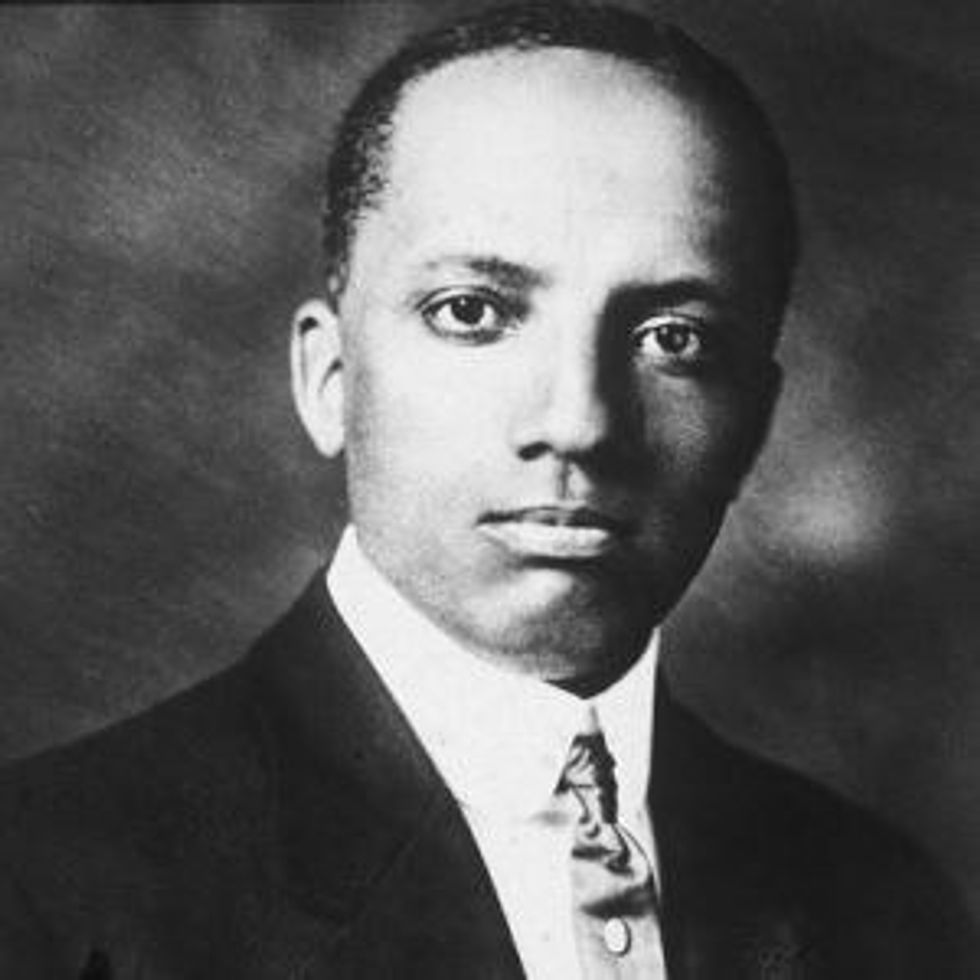
One of the first African Americans to receive a doctorate from Harvard University, Woodson established Negro History Week, the predecessor to National African American History Month, as an annual recognition of the achievements and successes of the African American community. This was among his ongoing efforts to encourage the teaching of African American history in our school system and promote learning within African American youth, of their own history. The “Father of Black History” selected the month of February as this time of reflection, as it contained the birthdays of both President Lincoln and Frederick Douglass, men whose contributions he greatly admired.
2017 now honors this annual tradition for the 41st time in America’s history.
Always, and this month especially, we must express our acknowledgement of the unique struggle for justice bore by our African American brothers and sisters, one which tells of a history of indescribable oppression and yet a story of sacrifice, historic achievement, resilience and the true meaning of "liberty and justice for all."