When I first came Mount Holyoke, a woman’s college in the USA, I did not quite understand what the idea of “feminism” meant. Despite my current liberal beliefs, my early childhood was spent in a conservative village in Nepal where the traditionally expected roles of men and women had been consciously ingrained in me. My grandmother would teach me how to prepare meals because she would often say that a woman’s place belonged in the kitchen, looking after the household and family. Thus, my patriarchal upbringing subconsciously instilled in me the idea that I was always going to be somewhat below a man.
Growing up, I was often reminded of my duties as a female; I had to cross my legs while sitting, look pretty and help my family with housework. It was especially rough when I would be segregated for days in isolation during my menstrual cycle because a menstruating girl is considered impure in my culture. These gender-based discriminations continued even as I went to a boarding school where the gender-based roles still dominated my daily activities. Even though I wanted to learn carpentry class which many of my male friends attended, I had to instead attend a knitting class. While my male friends would lead most discussions, we would silently nod our heads. Something as constructed as gender determined every aspect of my life; from the kind of leisure activity I chose to the way I wished to sit.
I often condemned myself for being born a female. Reasons were obvious at that time; being born as a male would have allowed me to do everything that my heart wanted without any societal restrictions. I could sit open legged without the fear of judgment; speak up without a fear that no one would take me seriously. These things, I thought were possible only to a man.
When I came to a woman’s college, I suddenly felt empowered as I was surrounded by intellectual and ambitious women who consistently challenged gender norms. The informed discussions in classrooms and the leadership-based curriculum inspired me to recognize and understand my identity as a woman beyond what my society constructed for me. I realized I could do everything that I wanted without any restrictions of gender. For the first time, I suddenly began to see gender as a social construct.
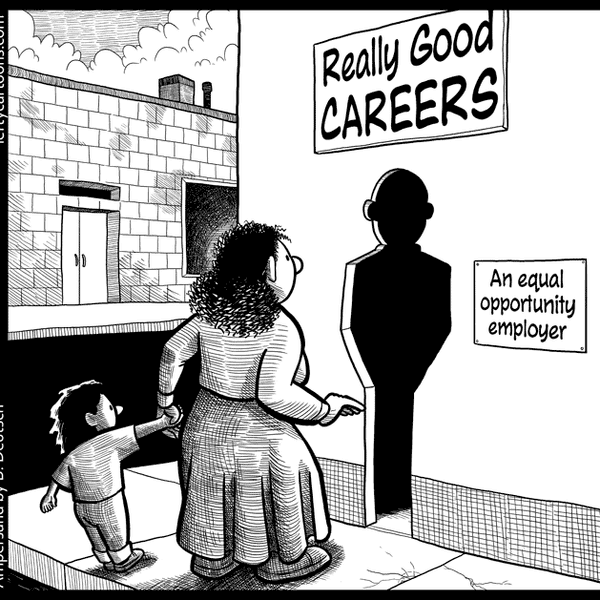
This new understanding made me better recognize and appreciate the efforts of few women back home who have been continually fighting for the equal rights of women in all spheres of life. We have women like Anuradha Koirala (CNN hero of the year 2010) and Mangala Devi Singh (leader of Nepal Woman Asoociation) who challenged the traditional gender roles. My own mother consistently challenged gender-based expectations.; never changing her family name despite societal expectations meant that she should have adopted my father’s name after their marriage. She also is an active community leader even though it took her years to make the community finally believe in her worth. Yet, many women back home still believe that they are subordinates to men and equality is an aspiration of the “western” world. The rise of “feminism” in Nepal is largely concentrated solely in the capital city while the women in the rest of the country are still largely marginalized in a patriarchy.
Even today, I sometimes still feel pressured to conform to the idea of what my society expects of me as a woman. One that claims that there is still a hierarchy in gender. I still am trying to understand what it means to be a Nepali woman without conforming to any gender norms. I am still trying to undo what has been projected into me consistently since birth. But today, I am sure that my gender identity does allow for someone to dominate me; that I have an identity beyond what my society created for me as a “woman”. And most importantly, I have the courage to fight back when an injustice of any sort is inflicted upon me. With this new courage, I am still learning to understand “feminism”.