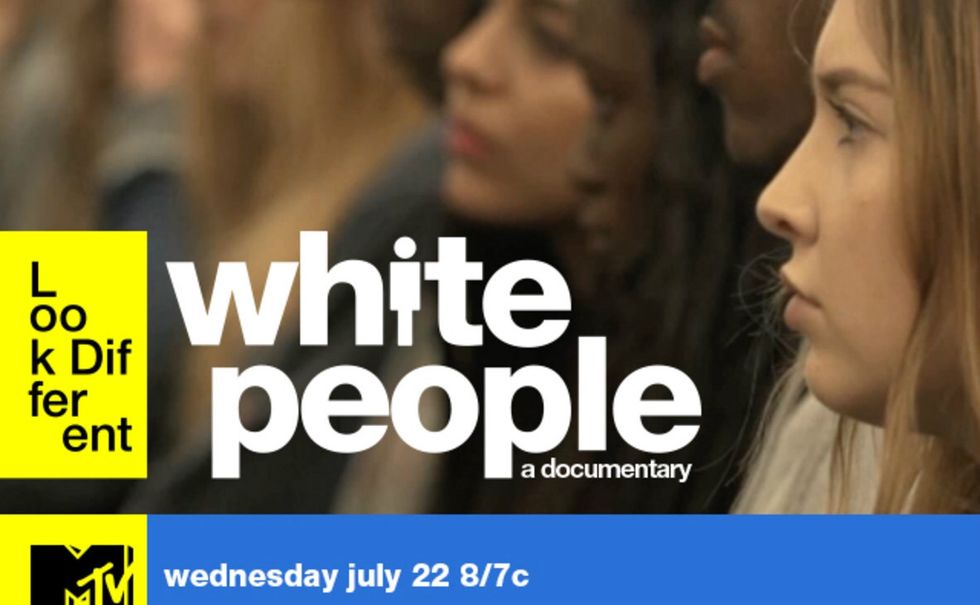
The Music Television network, better known as MTV, recently premiered a documentary entitled "White People." The documentary focuses on the opinions and views of Caucasian people and how they feel about racism, race relations, reverse discrimination and white privilege. The documentary displays how uncomfortable they feel about discussing race because of the fear of being deemed racist.
Jose Antonio Vargas, director of the documentary and founder of Define American, a non-profit media and culture organization that seeks to elevate the conversation around immigration and citizenship in America, is no stranger to creating controversial content.
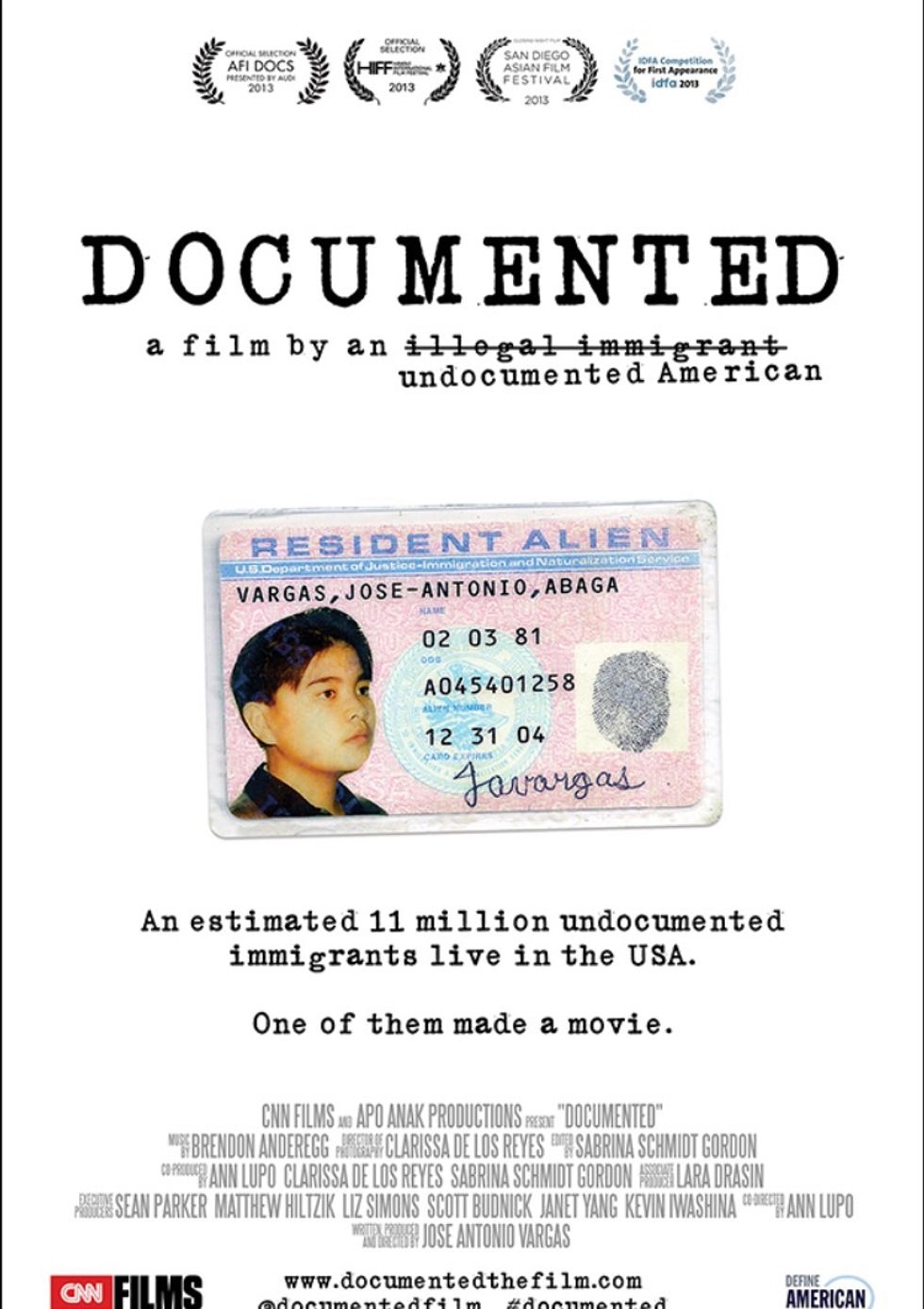
He produced a documentary entitled "Documented", a film by an undocumented American. This documentary went on to the American Film Institute Docs film festival in Washington, D.C. and was broadcast on CNN.
Vargas' first stop in "White People" was the Pine Ridge Indian reservation to visit the Oglala Sioux in South Dakota. The population is 725 people, only 14 of whom are white. He visited two white teachers whose backgrounds come from all-white neighborhoods. He asked both women about how they feel about being the minority in their community, and they both agreed that they had to "internalize" what white people have done in the past and that they cannot run away from the truth of their history.
This history includes men and women of the Lakota Sioux tribe being slaughtered and having their land taken away from them in the early 1800s. The teachers discussed "wasichu," a term that is directly translated in the Native American community as, "he who takes the most meat." In simple terms, it is used to say "greedy white people."
The second stop included visiting Katy, a recent high school graduate who felt that she did not get the financial aid she needed to go to college because she is white. Her story led into the disadvantages of being white, which included not being able to afford to go to school because of the number of race-based scholarships. Yet in the documentary, an expert mentioned that white people are 40% more likely to receive financial aid from private scholarships.
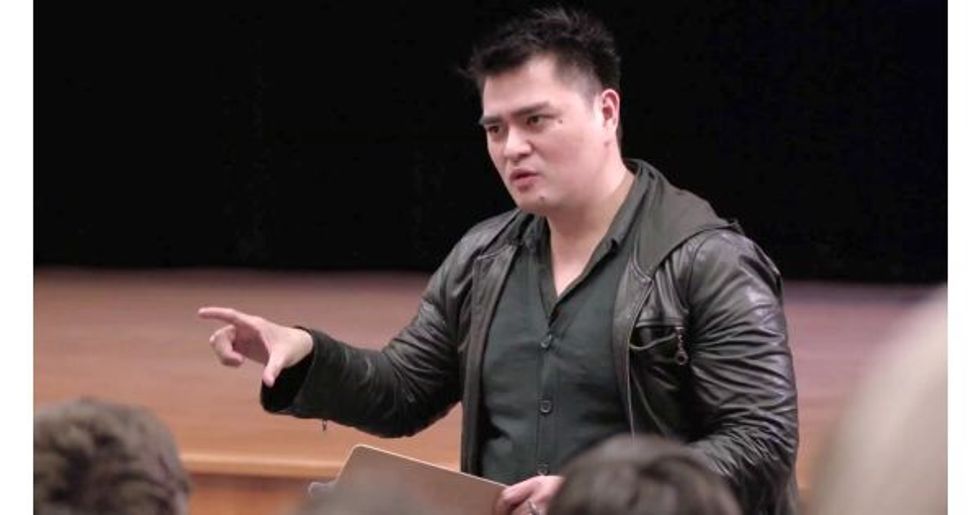
As the documentary continues, Vargas meets a community college student who comes from a conservative family and runs a white privilege workshop that explores what white privilege means. In his workshop hang pieces of paper on which are written privileges that white people have. For example, "I ignore the social issues of people of color and am not affected by the social consequences."
The workshop was used to open the minds of those involved and to show how the privileges that they chose would affect them if they were not white.
Overall, the documentary is supposed to be a conversation starter for Americans who want to dismiss that racism no longer exists or that what has happened in the past does not still impact Americans today. It signifies a wake-up call to some Caucasian people who think that they are being discriminated against just as much as minorities by giving facts to show this is not the case.