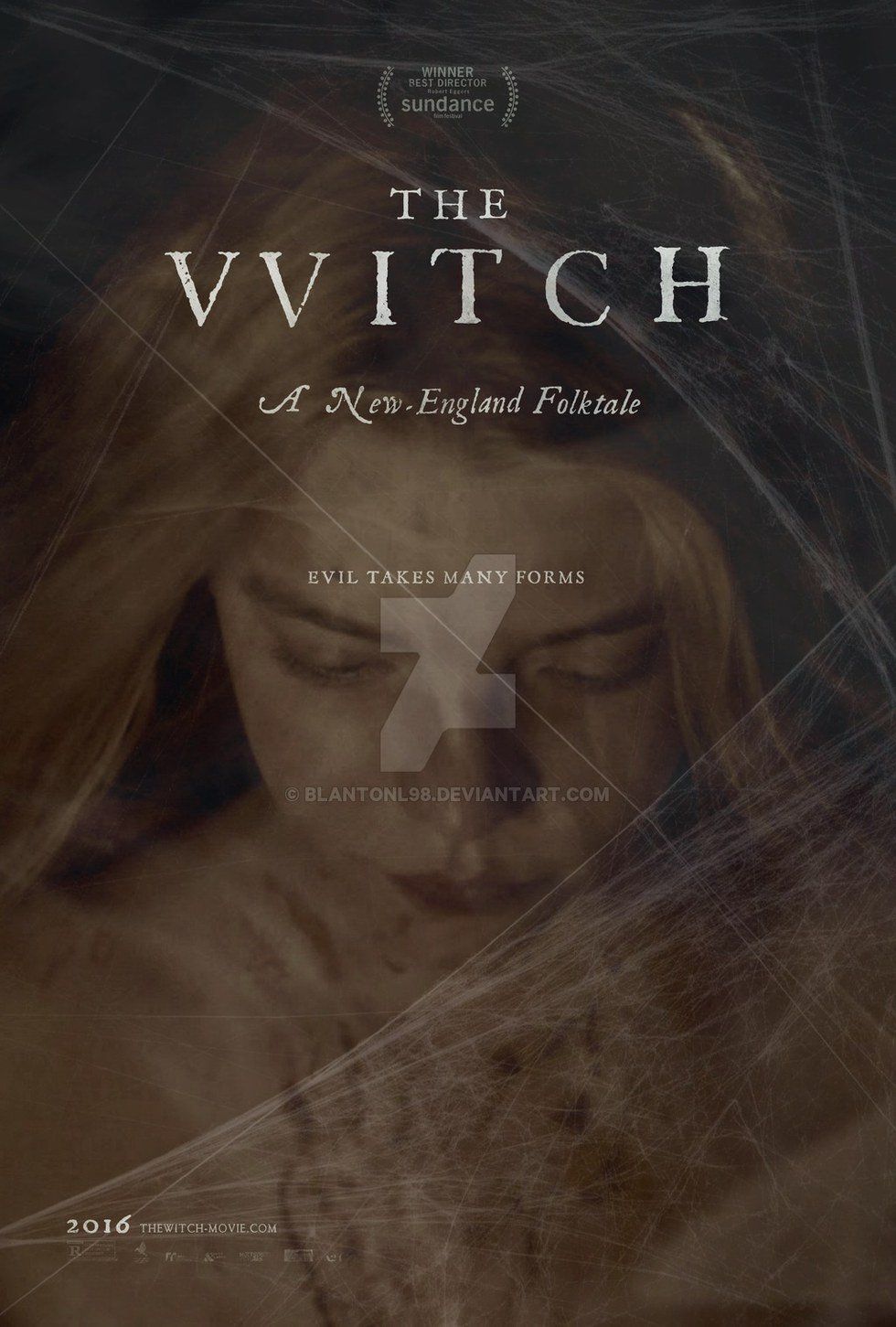
“The Witch” is a breathtakingly original horror film that is sure to get under your skin and shake you to the core. Despite containing many common tropes of the hordes of sub-par witchcraft horror movies, this film separates itself by having at its center a heart-wrenching family drama that is only magnified by the supernatural.
The film also features an incredible amount of intricate design in both the set and the historical information put into the story. The meticulous care is clearly shown by the dedication of director, Robert Eggers, who researched puritan folk mythology for four years before making the film. The movie even uses real dialogue taken from journals and accounts of exorcisms from the time period. The culmination of research and painstaking design gives viewers of “The Witch” the sensation of being present in a world in which the beliefs and superstitions of the characters are real.
"The Witch" begins when a Puritan family is exiled from their community for their patriarch's sin of “prideful conceit.” William (Ralph Ineson), the father, is a strong-willed and good-hearted man with a booming voice and a passing resemblance to most popular depictions of Jesus. The mother, Katherine (Kate Dickie), is a severe, plain-faced women. After being banished from their town, they and their five children embark on a new life in the desolate forest where they must eke out a living.
Not too long after their arrival, the eldest daughter, a fair-haired teenage girl named Thomasin who is verging on womanhood, is playing peek-a-boo with her baby brother, Samson, when a sinister power comes into play. When Thomasin opens her hands once she sees the giggling child, and again, but the third time she uncovers her eyes, the cheerful infant is gone. What happens to the child is obscene and terrifying, though only known to the audience. To add to the despair of losing a child, the family is experiencing a bad crop and is on the verge of starving in the coming winter. The central drama of this film comes from how the family deals with the tragedy of the disappearance of their son.
The potency of this film comes from its realistic portrayal of family life in both quieter, happier moments and unsparing depictions of grief. The family in the film is timeless. The siblings squabble in much the same way children do today, using old-English versions of “I’m going to tell mom” and teasing the younger ones.
Another fundamental element that separates this film from lesser horror films is the thoughtful shot composition, cinematography, and directing. The film uses traditional scare tactics such as close up shots where something jumps out from just beyond the frame. Yet, these standard tricks don’t detract from the quality of the film. The directing technique that elevates this film transforms such shocking moments from sudden, intense, engrossing action into a stunningly composed tableau of gore. The camera pulls back, revealing the aftermath of the horror in a way that few films bother to do, heightening your perception of the terror by its results. The conscious choice to see the scene from an objective angle after being so enthralled may remove the initial intensity of the scene, but it allows the consequential dread to truly sink in.
"The Witch" is a film that will leave the theater with you. With its simultaneous expert employment of horror tropes and subsequent subversion of them. “The Witch” is so terrifying, not because of its depiction of evil witches, but its evil depiction of human nature.