
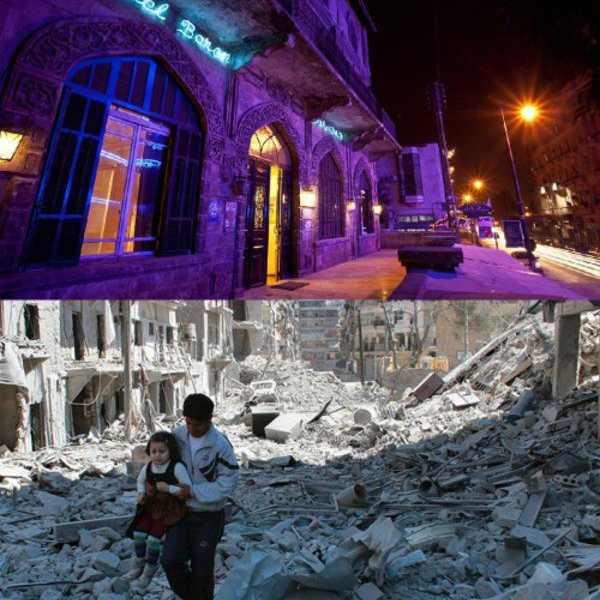
The Syrian Civil War has entered its fifth year, and there seems to be no end in sight. The cease-fire is beginning to erode away as quickly as talks in Geneva between Bashar al-Assad and the rebel leaders.
The United States has expressed its wish that Assad step down from his leadership and has actively worked with rebels groups opposing the Assad regime. While the United States has avoided direct military involvement, like it has with ISIS, against the Assad regime, it has employed several tactics in order to give the rebels the best chance against Assad's military. The two main pillars of the United States' strategy are this: Train Syrian rebels outside of Syria, then send them back in to assist training further and provide weapons and other non-lethal aid to the rebels. Non-lethal aid being medical supplies, navigation equipment, communication equipment, etc. Anything that isn't designed to kill someone or something.
There are several concerns with the strategy that the U.S. has taken. The first program, training rebels, is logistical nightmare and takes far too much time to complete. It is also difficult to train a large groups of rebels unless you do it on sight in Syria, but the United States cannot send trainers into Syria in fear of endangering them. Not to mention all the international backlash that would ensue if the United States committed military personnel directly into Syria with the express purpose of opposing a sovereign state government. These problems became apparent and the United States discontinued the program.
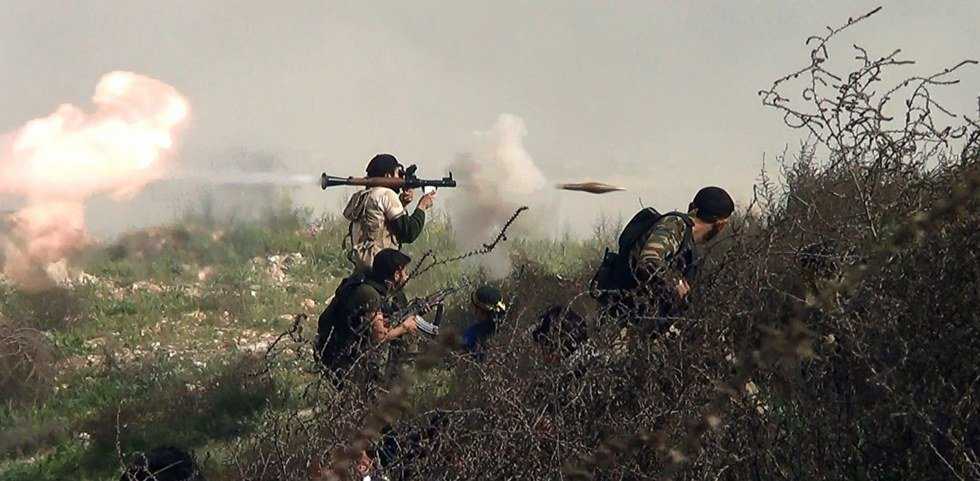
The other half of the strategy, arming Syrian rebels with lethal and non-lethal aid has continued, along with its own problems and criticisms. There are may fears about what throwing weapons into an extremely volatile region like the Middle East will do. First, there is the very real possibility that these weapons will not stay in the hands of the rebels. There have been instances in the past in which weapons intended for Turkish fighters battling ISIS have actually been apprehended by ISIS themselves. ISIS then has used these weapons to fight the United States and its allies.
Besides the potential of these weapons falling in the hands of those that would turn them against the United States, there is a whole other moral issue with supplying weapons to a conflict. Weapons breed conflict. If a group has access to weapons or can gain access to weapons either legally or illegally, it will fight in a conflict it finds just. Throwing weapons into a conflict will just enable groups to perpetuate the conflict further. It's just like throwing gasoline on the fire. Now I'm not condemning the Syrian Rebels and their cause, I support them By supplying these rebels with weapons the United States, in effect, is perpetuating a conflict it is hoping to end quickly by helping the rebels. The United States is completely contradicting its goal of peace in the region if it continues to supply weapons to any group, not just the Syrian Rebels.