Few of the flowers of the Arab Spring ever made it to fruition, and in Syria, thorns now entangle the blossoms and the once fertile ground is deeply poisoned. After five years of brutal war, Syria has imploded into a monstrous vacuum of money and blood, spawning the greatest refugee crisis since World War II. The US, Russia, China, Iran, and many other top players have a stake in the conflict, making it the issue at the heart of the geopolitical chessboard. At the forefront of the violence is the despotic ruler Bashar Al-Assad, versus a myriad of different rebel groups, including jihadist groups (most notably ISIS) and the US-backed FSA (Free Syrian Army).
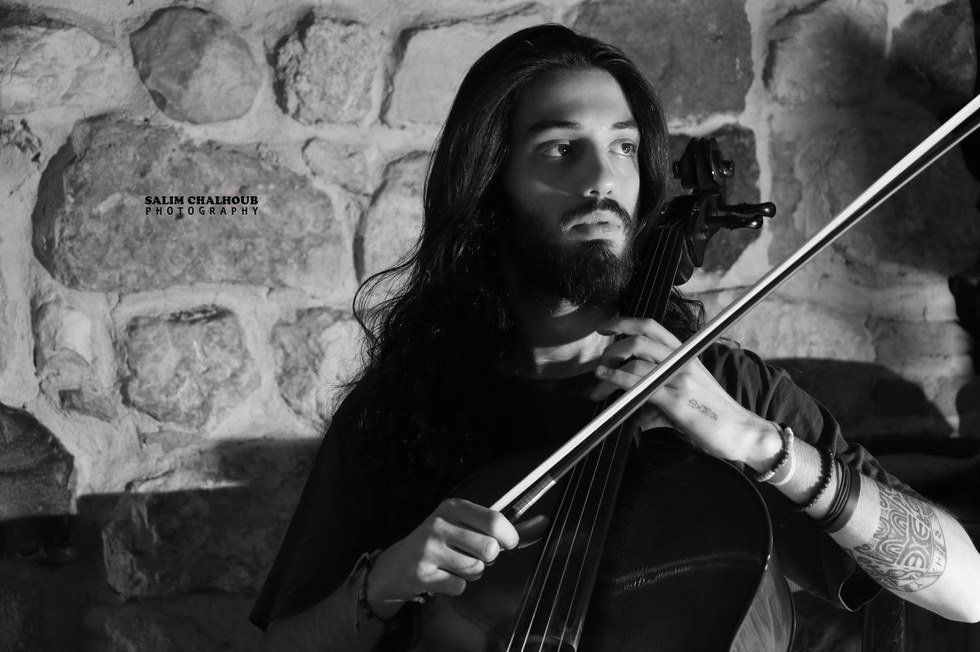
To gain insight into the crisis, I interviewed a Syrian musician named Bassel Abou Fakher, a refugee from Damascus currently living in Brussels. Bassel offers a unique vantage point into the conflict, being a well-educated and secular man who at 20 years old spent his formative years on the sidelines of the war. Bassel described the contrast of Damascus, a city furnished with elite universities and cosmopolitan culture, to the traditionalist territories where ISIS and other radical rebel factions have been able to ferment, in what he attributed to be in large part due to lack of education.
Despite the horrific atrocities of the Assad regime (which include massacring his own people with chemical weapons and targeting civilian hospitals in air strikes), the Obama administration has remained hesitant to depose the dictator, fearing a power void where Jihadists could gain footing. When I asked Bassel what he thought of “lesser evil” logic, he firmly repudiated; “It’s all black, it’s all dark, they’re all devils.”
He explained that much of the violence isn’t so much based on ideology or religious conviction as it is in raw human emotion; “If you’re in Aleppo, you see a MiG drop and kill people you love, you’re going to want to fight against the regime.” Many of the fighters joining extremist militant factions are doing so for pragmatic reasons, with Sharia and Jihad being unpleasant accoutrements unfortunately packaged alongside the ability to feed your family and execute revenge.
The Beautiful Sounds of Bassel's "Qotob Project"
Bassel described the bureaucratic nightmare of attaining asylum abroad, having spent time both in Dubai and now Europe. His explanations shed light on another interesting contrast; the way the Arab States of the Persian Gulf have treated refugees versus that of the Western liberal democracies. From my previous research, I intuited that media reports claiming rich Gulf States (Saudi Arabia, Qatar, the UAE etc.) had done next to nothing to help refugees were propagandized. But Bassel confirmed these accusations with harsh conviction, saying that Europe has contributed multitudes more.
Qatar is filthy rich and Saudi Arabia could easily house over 100,000 refugees in its vacant city of air conditioned tents. It is important to note that the Gulf States are not signatories of the Refugee Convention, meaning that Syrians there are not technically counted as refugees in UN statistics. So while the Gulf States are more supportive than official figures indicate, their opulence and proximity to the conflict make their tepid response inexcusable.
This grants the West a huge opportunity to improve its standing in the Arab world. If the West steps up to the plate in contrast to the indifference of the Gulf States, Jihadist rhetoric will lose sympathy to a generation of assimilated refugees. If we neglect them and allow them to grow up uneducated and impoverished, we are enabling an environment where radical Islam can fester. Sharia Law could begin to sound reasonable in the miserable echo chambers of a downtrodden refugee camp.
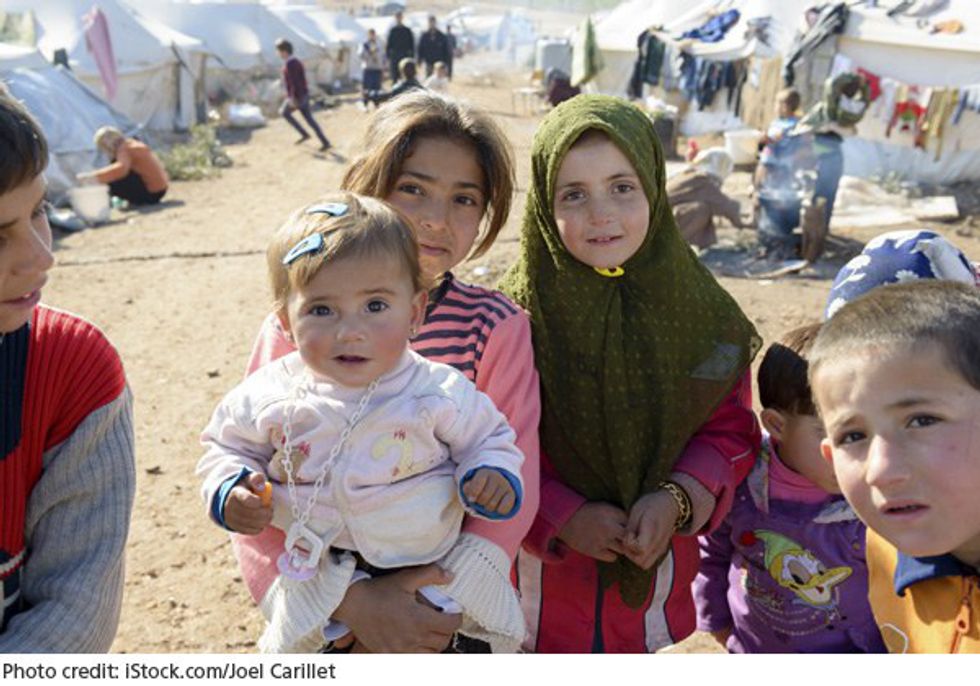
Some skeptics contend that while addressing the refugee crisis is admirable on a humanitarian level, it is economically detrimental. Arguing for the long term economic benefit of absorbing refugees is beyond the scope of this article (it is worth noting that Steve Jobs’ father was a Syrian refugee), but there are many credible studies refuting the claim that refugees will steal jobs and accrue more in pensions than they do in taxes (more than half of Syrian refugees are under 18, meaning they have many productive years ahead of them).
In the aftermath of the Vietnam War, the US helped to lead a global resettlement of nearly 2 million Indochinese refugees, giving us the blueprint of how to address this crisis. Considering the fact that we took in 800,000 back then, it’s safe to say our powerhouse economy could absorb a dramatically higher number than our current 10,000. There is also something to be said for leading by example.
The screening process is rigorous, meticulously addressing the fears of extremists slipping through the cracks. According to the Migration Policy Institute, “The United States has resettled 784,000 refugees since September 11, 2001. In those 14 years, exactly three resettled refugees have been arrested for planning terrorist activities—and it is worth noting two were not planning an attack in the United States and the plans of the third were barely credible.” Even in Germany, lauded as the most open of the European countries, Bassel commented that the process to obtain a student visa was hellish. He himself was rejected for not taking enough German classes previously.
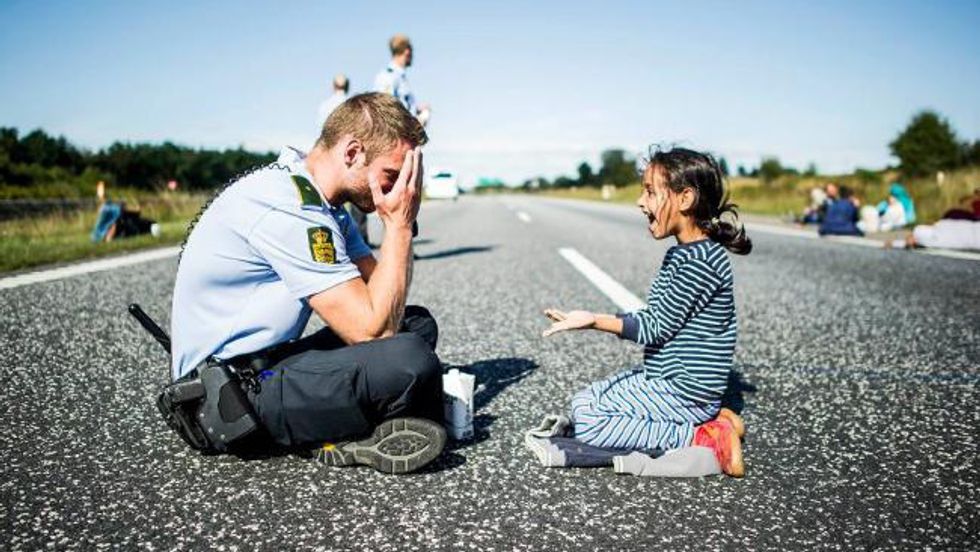
The most compelling evidence against increased refugee admission is the surge in terrorism that has ruptured social harmony in Europe. These acts caused me to question my own pro-refugee stance, until I scrutinized the facts. Popular media often fails to discern between refugees and migrants, obscuring the fact that Syrian refugees are less likely to commit a crime than German citizens. Of the three terror attacks involving refugees or asylum seekers in Germany this summer, two were "lone actors," meaning they are of the same ilk as Adam Lanza, James Holmes, the Columbine killers, Elliot Rodger, Marc Lepine, and scores of other disturbed young men- the phenomena is hardly unique to those of Arab descent.
If we meet these impressionable, traumatized youths with hostility we are practically encouraging their descent into militancy. ISIS desperately wants us to hate refugees. Anti-Muslim hatred from the West fuels terrorism and gives their twisted cause ammunition. After all, who would you be more likely to resent; someone who spitefully rejects you in your time of need, or someone who opens their arms to you even when your supposed friends have turned their back?
Helping and educating millions of uprooted refugees is a more effective way of fighting terrorism than clandestine drone strikes or poorly thought out interventionist campaigns. From the Irish Catholics of the Potato Famine, to the displaced Jewish refugees of the Holocaust and the homeless victims of Vietnam, mass refugee movements have always faced strong resistance based on fear and ignorance. But beyond the murky lens of xenophobia, it’s obvious that just like my friend Bassel Abou Fakher, many refugees are highly skilled and kind individuals who will do nothing but contribute to our societies. If the US is to maintain credibility as the hegemon of the world, we must lead by example and represent the international refugee law we helped to create.