
Shopping.
For some women, that word ignites excitement. Saving up paychecks for a treat yo’self day at the mall, snapping endless selfies in the dressing room, scouting out the best deals from all the stores.
For other women, not so much. One of the biggest populations of unhappy shoppers? Plus-sized women.
I’ve been on both sides of the coin. I’ve shopped in “straight”-sizes and plus-sizes, and I’ve known the fitting room struggle of having a pile of clothes in the biggest size the store has to offer and having none of them be large enough.
I’m not the only one. According to this data collected by ModCloth, – more on them in a moment – 74 percent of plus-size women describe feeling frustrated during any given shopping trip, and 77 percent of these women admit that “it’s difficult to find well-fitting garments.”
The truth of the matter is that the clothing industry does not care to cater to these women, despite 81 percent of them saying they’d pay more for better quality, more consistently fitting and fashionable clothing. Sure, there are a handful of plus-sized businesses, between Torrid, Lane Bryant and Forever 21 Plus, but they’re drops in the bucket compared to the innumerable number of straight-sized stores. Not only are there far fewer shops for bigger women, but the sizes are wildly inconsistent, and the styles can be incredibly frumpy and dated.
There’s no reason why the clothes manufactured in straight-sizes can’t be produced in plus-sizes as well. Women, no matter their size, generally want to look in style, whatever that style may be. Options are important – both for size and for fit or cut. However, the divide between plus- and straight-sizes has made it seemingly impossible to streamline the two worlds, despite the potential to drive up business for retailers and the increased satisfaction of over half the customers – until now. Mental drumroll, please.
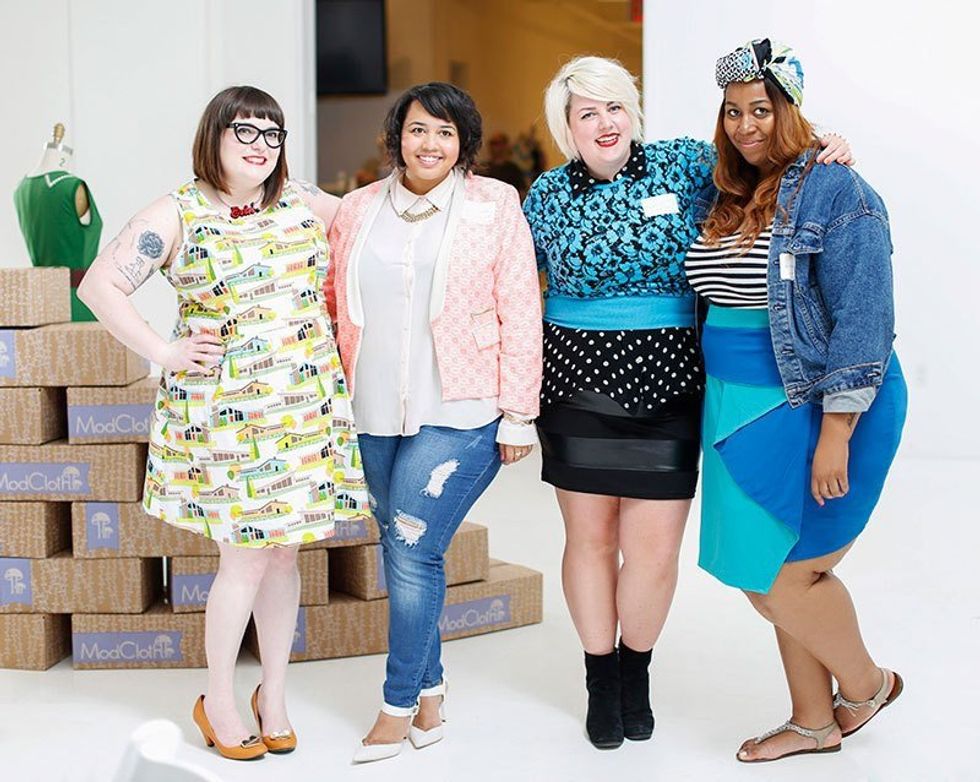
ModCloth has removed the “plus-size” section from their website.
It’s a seemingly small step, admittedly. They’re working to integrate their previously plus-sized products into the straight sizes, so everything all just becomes one streamlined shopping site. However, it’s a pretty big gesture. Not only does having a separate store or section of a site for bigger women make them feel separated, but the term “plus-sized” has some not-so-pretty connotations behind it. The terminology itself, being “plus,” suggests that these women are unnecessarily “more” – in a society where women are encouraged to take up less space, having extra anything is considered unfeminine and undesirable.
ModCloth is working to let these ladies know that they’re anything but.
"In the [fashion] industry, it stands for taking a segment of customers and making them an 'other,'” ModCloth co-founder Susan Gregg Koger said to TODAY.com. “And as a person, it never feels good to be excluded in any way. We really feel like shopping categories should be defined by types of clothing, not types of bodies."
To me, this shows amazing growth in the fashion world even after the last few years, when retailers like Abercrombie and Fitch claimed that their clothes “weren’t made for fat people, they were made for cool people.” Controversy also heightened with retailer Brandy Melville and their “one-size-fits-all” policy – a blatant refusal to make clothes for anyone above a size four. To see a shop like ModCloth take a complete 180-degree flip from the fat-shaming policies of their competitors makes me feel good as a consumer.
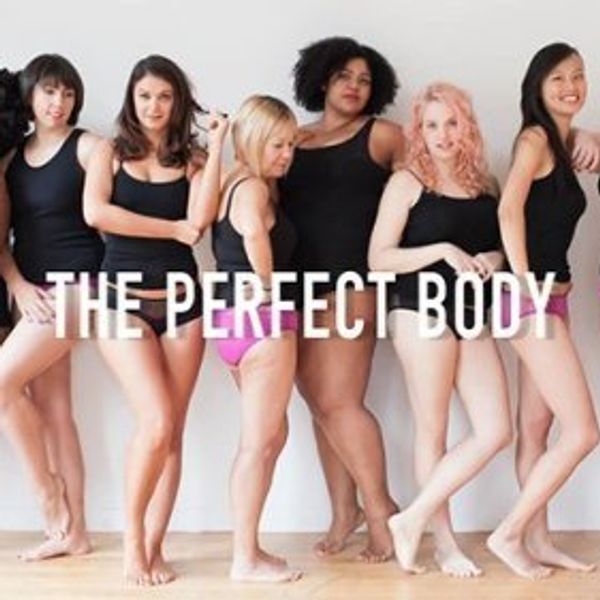
It’s a lesson that we’ve heard since our youngest years: people come in all shapes and sizes. It’s exciting to see a company put that moral into action.