Every week, there seems to be yet another protest. Campus demonstrations about the rights of minorities are seemingly being launched everywhere. In a culture, where diversity is increasingly celebrated and racism increasingly looked down upon, these protests seem completely appropriate. Yet, what exactly are these protests aiming to achieve?
Equality? However, constitutionally, there seems to be nothing to fight for. Under the constitution, all individuals are considered equal regardless of ethnicity, religious background or disabilities. However, these campus protests have proven that some schools don't believe in true equality, by allowing discriminatory behavior, such as allowing an all-white girls’ party to occur on campus, which is discrimination against minority students. The protests at Yale dealt with a similar issue.
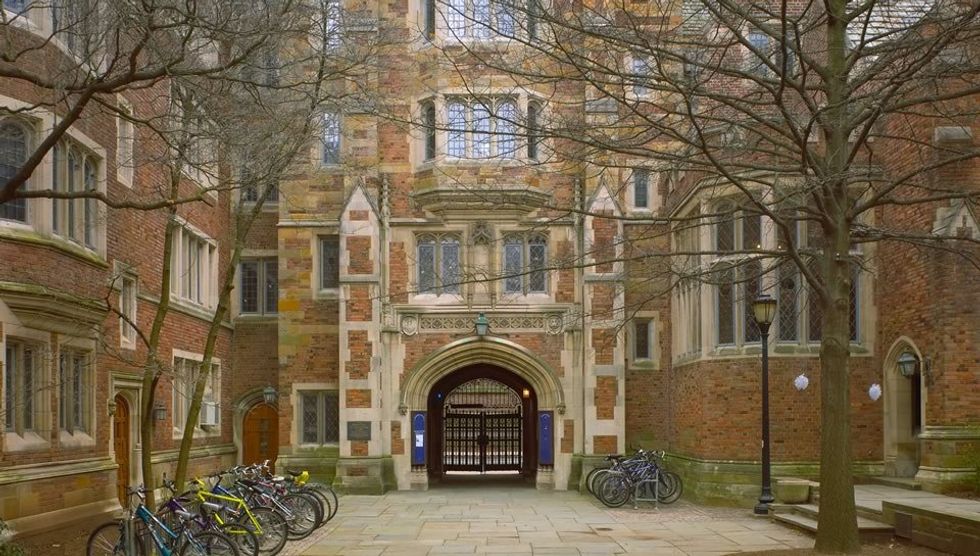
Among the authority figures at Yale is the college’s first African-American dean, Jonathan Holloway. Holloway, who has lost five pounds due to the stress he has endured since the protests began, was the man students hoped “had their backs,” but since the protests began he has been accused of being "disengaged and unresponsive." As a scholar of African-American studies and a professor of the Civil Rights era, students had hoped one of their own would fight for their protection, but the Dean has to break plenty of barriers himself before being able to make such large scale changes.
So, if the administration is not always willing to step up and protect students, who can they turn to?Often, authority themselves tend to be harsher on African-Americans when accusing, arresting, or convicting them of crimes. And such actions lead black students to suspect that they are not as well protected as their white peers on campus. For example, recently, African-American students at University of Missouri had to evacuate their campus because of racist students who threatened their safety following the resignation of the school's president, Tom Wolfe.The authorities need to fight on behalf of such students and protect them.
A large debate has narrowed in on buildings and schools named after men, who supported segregation and institutionalized racism, students have demanded that reminders of a brutally racist past be removed. In Virginia, a high school named after Stonewall Jackson, a man who is a symbol of the racism against African-Americans in the past, still stands. Similarly, in Princeton, a building is named after Woodrow Wilson, a man who segregated the government, is still in operation. And Yale is considering renaming Calhoun College.
The final question really is whether students can, by marching and protesting, manage to implement these changes. True equality is difficult to achieve in an environment consisting of different cultures. True protection would require authorities to change their mindsets, a change that may take some time to come into fruition due to the generation gap between authority figures and students. And although, the removal of these symbols of oppression is in theory easy, it is in practicality difficult because there will be an opposing party that will want to keep the symbols the way they are.
Therefore, if these protests can really accomplish any of their aims, it would be an amazing step forward for students. However, there is still work to be done before all campuses can be truly considered open to all.