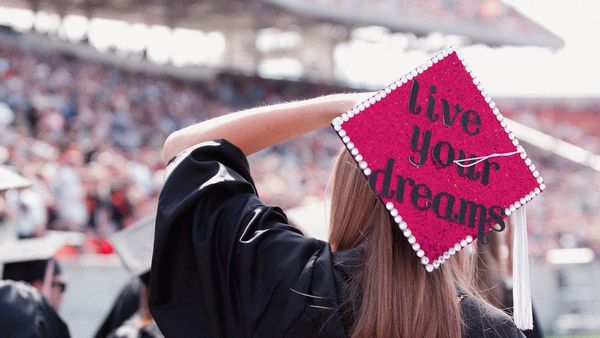


Millennials have been taking a lot of heat, lately. Those of us born around the late-80s to mid-90s were raised by Baby Boomers, the demographic which, after World War II, saw a spike in the population, as well as economic opportunity. By 1964, Baby Boomers made up almost 40 percent of the United States population, and with the surge of industry and innovation (due in part to the U.S. having outrun the rest of the world in science and technology), the ability to succeed in America had never been easier. Wind the clock 50 years forward, and we don’t have the luxury of dreaming of a bright future. The United States is now passed its prime, and doomed in the hands of irresponsible, unrealistic, lefty-kids. At least, that’s what we’re now told.
As members of Generation Y, we were raised to believe the world would be our oyster; that it would only ever improve with time, and that when we grew up, we could be whatever we wanted to be. Take chances, and never shy away from opportunity. The American Dream is the American reality with hard work, but is that dream as easy to make real as it was for our parents? In 1964, the average combined cost of tuition, room and board for a public university was between $950-1,051. In 2014, the average combined cost of tuition, room and board for a public university was between $15,640-18,110 — a difference of over 300 percent. More specifically, Harvard University’s numbers went from around $1,600 in 1964 to over $60,000 in 2015 — an increase of over 370 percent.
Now, the contemporary Baby Boomer has dubbed the idealist mindset as lazy, or, to put it in words more frequently thrown around these days: Entitled. Privileged. While we were once instilled by our elders with the notion that we will be successful, we are now being told that expecting life to be good is irresponsible. That our political beliefs are misinformed, that we don't understand how the real world works, and that we need to stop being so “entitled.” Now that we’re working, voting and being given a say in how we think the world should be run, we’re all of a sudden incapable. Wanting to create a society where it is easier for a man to be educated, and to make a wage that supports his family, or his desire to know life better, is more often shortened in definition to “expecting handouts.” Believing we could one day exist in an all-for-one, one-for-all culture, rather than a social Darwinist ladder, is not something to feel ashamed of. After all, the pursuit of happiness is not a privilege; it is a right.
Is it so difficult to let people believe that in 50 years’ time, education won’t send us into crippling debt when we’re 22 years old? That we could eventually live in a society where we aren’t pressured to pursue a college degree, only to dig ourselves tens of thousands of dollars underground, and then work the next 50 years digging ourselves out of that debt? The idea of lowered cost of education and higher wages for employees begs praise from some and outcries from others. Would it be so awful to live in a world where people are smart and able to thrive comfortably? Unrealistic by some standards, but to many millennials, achieving this is the new American Dream.