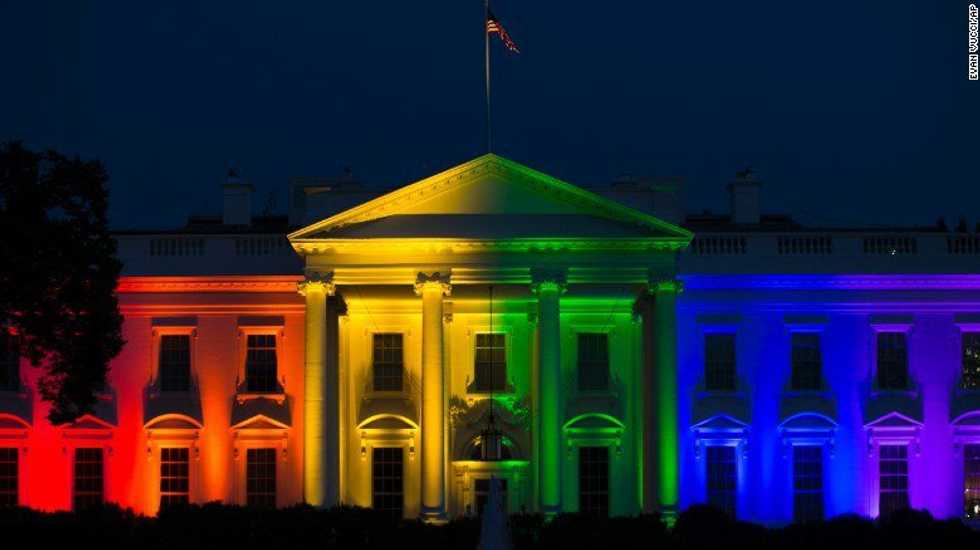
On a warm June evening in 2015, a beautiful array of rainbow colors lit up the White House in an iconic display of triumph and celebration. That day, the U.S. Supreme Court had officially upheld the constitutionality of same-sex marriage. That day, love won.
On a warm June night in 2016, 49 people who entered a gay nightclub in Orlando, Florida, never made it out alive.
When we read any timeline of events in a history book, we are seeing a chronological ordering of milestones. In 1886, the first automobile was patented. In 1920, white women in the U.S. gained the right to vote. In 1975, it was the end of the Vietnam War. And it’s always exciting for us when we get to witness something that’ll end up in a history book one day. The rise of the iPhone, the first Black president – what a time to be alive, we say, we’re the generation who finally legalized gay marriage.
Yet, we cannot let these historical events shroud reality, preventing us from looking deeper. The legalization of gay marriage did not signal the end of homophobia — a fact that became horrifyingly clear last week when LGBT people were the target of the deadliest mass shooting in U.S. history. Let me say that again: The legalization of gay marriage did not signal the end of homophobia.
For those of us who are not a part of the LGBT community, for those of us who have never had to fear for our lives every single day because of our identity, it is still so easy to take something like a Supreme Court ruling and tell ourselves that a huge part of the struggle is over now, we can rest for a while. It is the mark of our privilege that we are able to tell ourselves this lie and believe it. This is clear to me now.
Let’s talk about historical milestones and the lies we allow ourselves to believe.
In 1965, Lyndon B. Johnson passed the Voting Rights Act, finally granting African-Americans the right to vote.
A week later, the Los Angeles community of Watts was in an uproar after a white police officer used excessive force upon a young black man and his mother. The Watts riots, which resulted in 34 casualties, made it clear that a legislative victory securing the right to vote did nothing for poor, urban black communities.
In 2008, Barack Obama won the presidential election, becoming the first Black president in U.S. history. Throughout the country, we heard choruses of “Look how far we’ve come” and even, “racism is over in America!”
What do you think? Were they right?
What about Obergefell v. Hodges, that monumental Supreme Court decision? Is the gay rights struggle over in America?
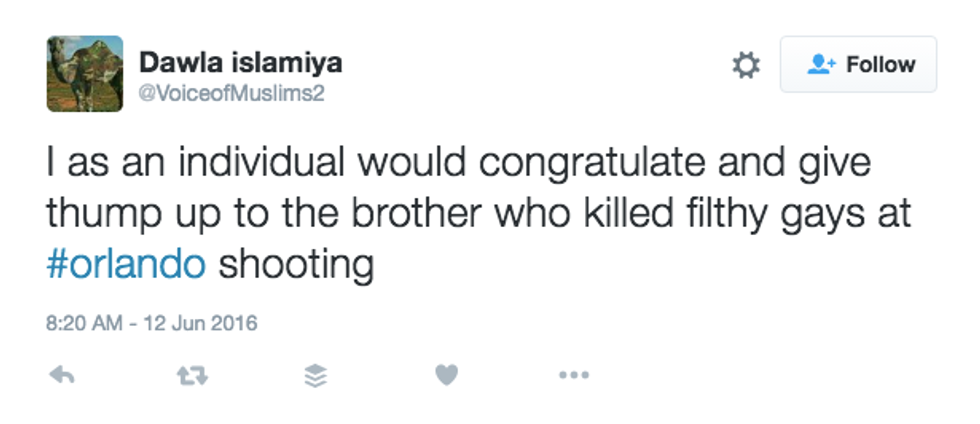
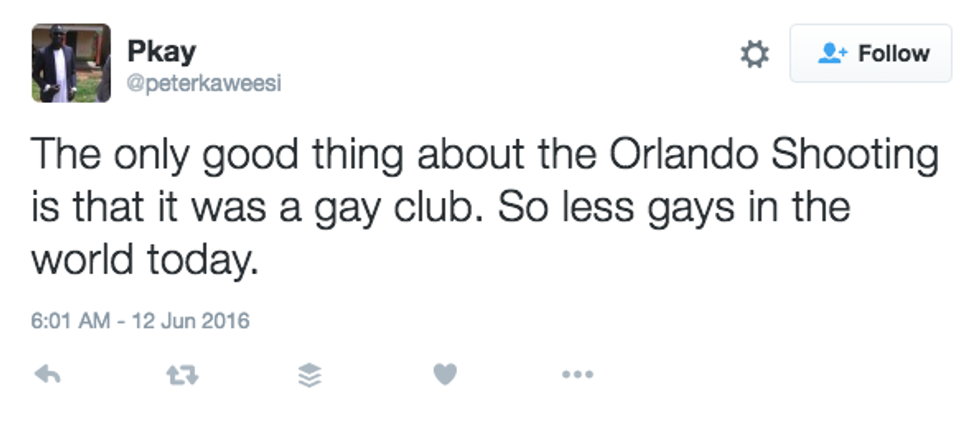
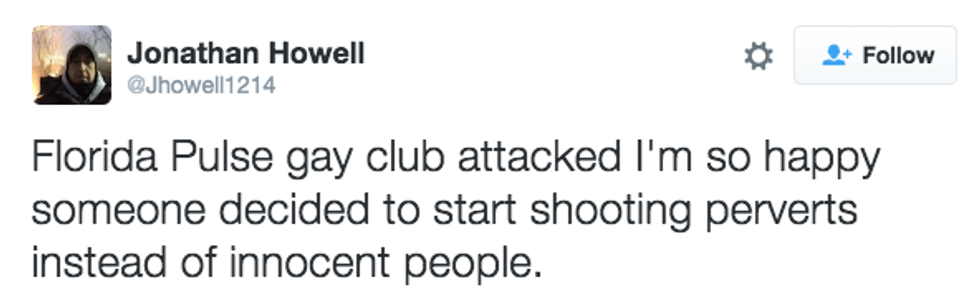
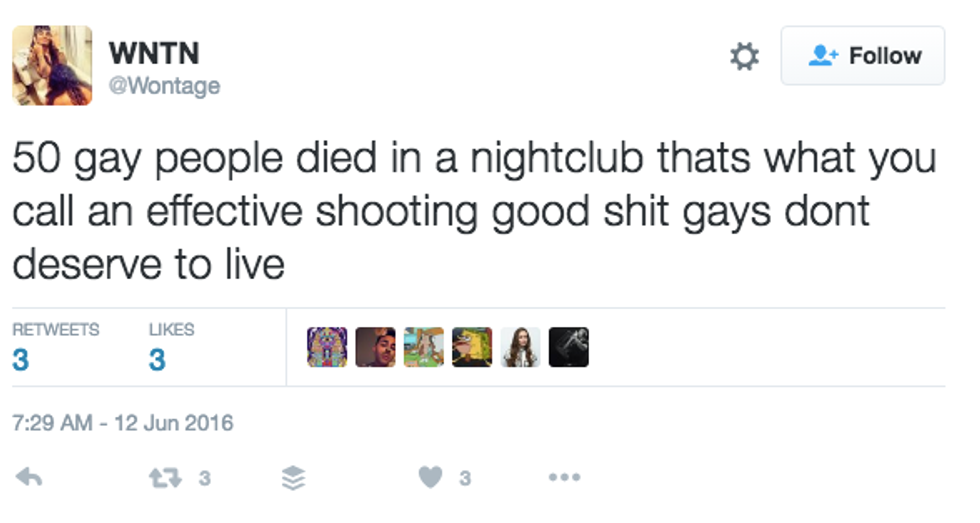
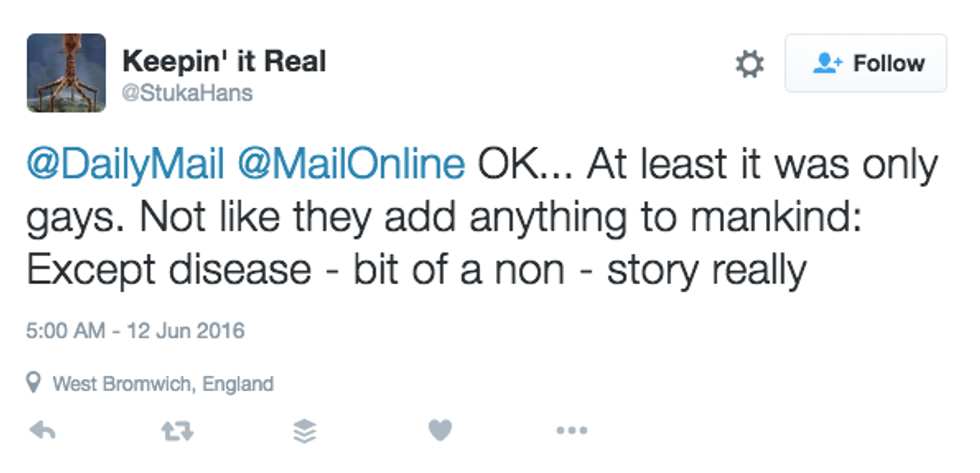
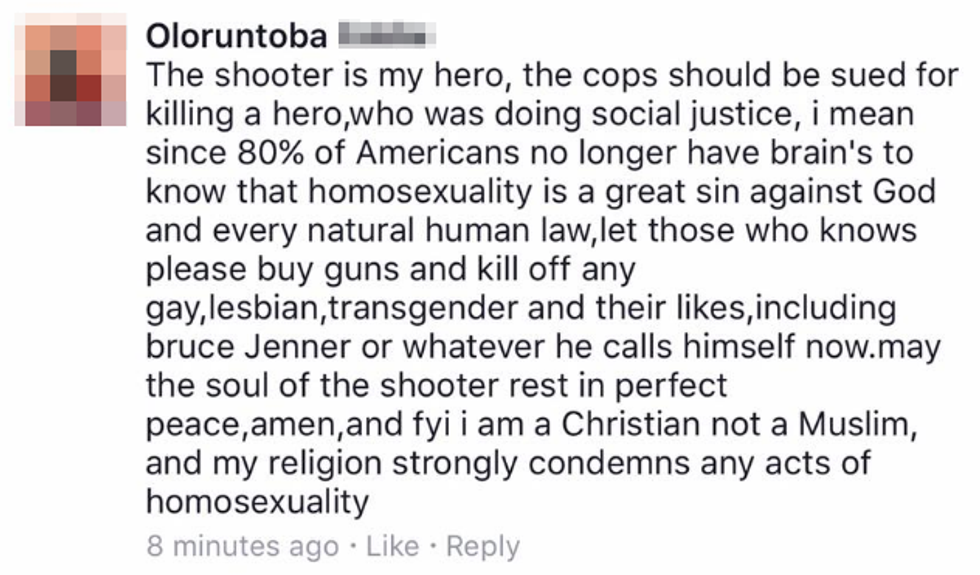
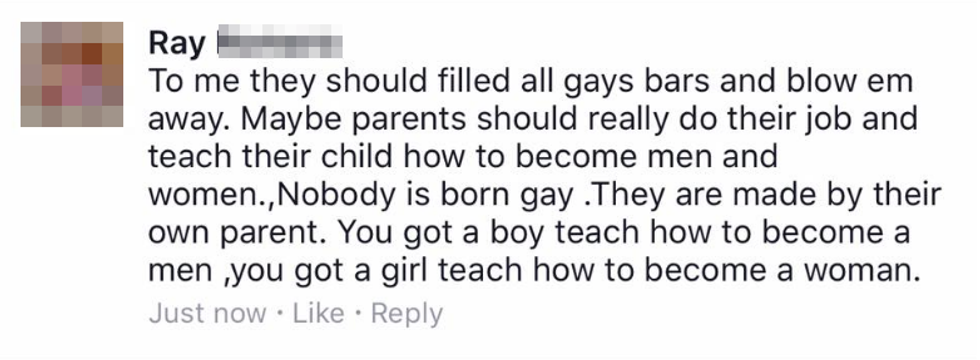
The role homophobia played in the Orlando shooting and the responses to it is real. Yes, it used to be worse “before," yes, homophobia is perhaps not as widespread (or, at least, socially acceptable) as it once was, but it still exists, and it exists in people who are violent and hateful and happen to have assault rifles and explosives in the trunks of their cars.
This is something to keep in mind, whether we're talking about LGBT rights or women's rights, gun control or police brutality: Legislative action is too easily seen as the end-all, be-all when fighting for a cause. We must never lose the urge to keep moving forward. In every human rights movement, with every victory, comes the eggshell-thin, emotionally exhausting line between celebration and vigilance.
Each victory must be taken with a grain of salt because historic milestones aren’t the fairytale endings to some Lifetime movie about strength in the face of adversity.
Milestones are not simply items on a timeline. They are points in a nonlinear narrative, a narrative that winds and tangles and moves backward as much as it moves forward.
Milestones are not happy endings, but oh, how I wish they were.