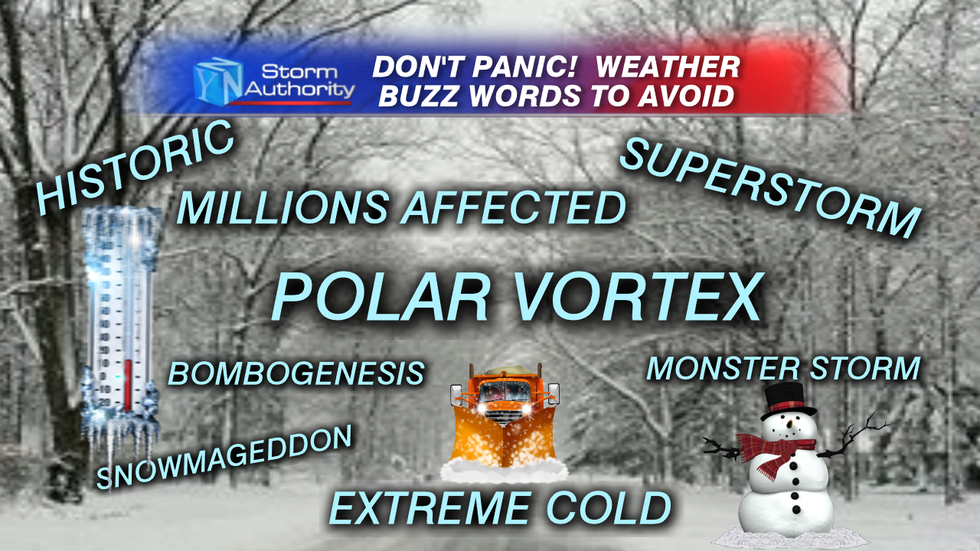
Sometimes when we go on the internet, we see things like these:
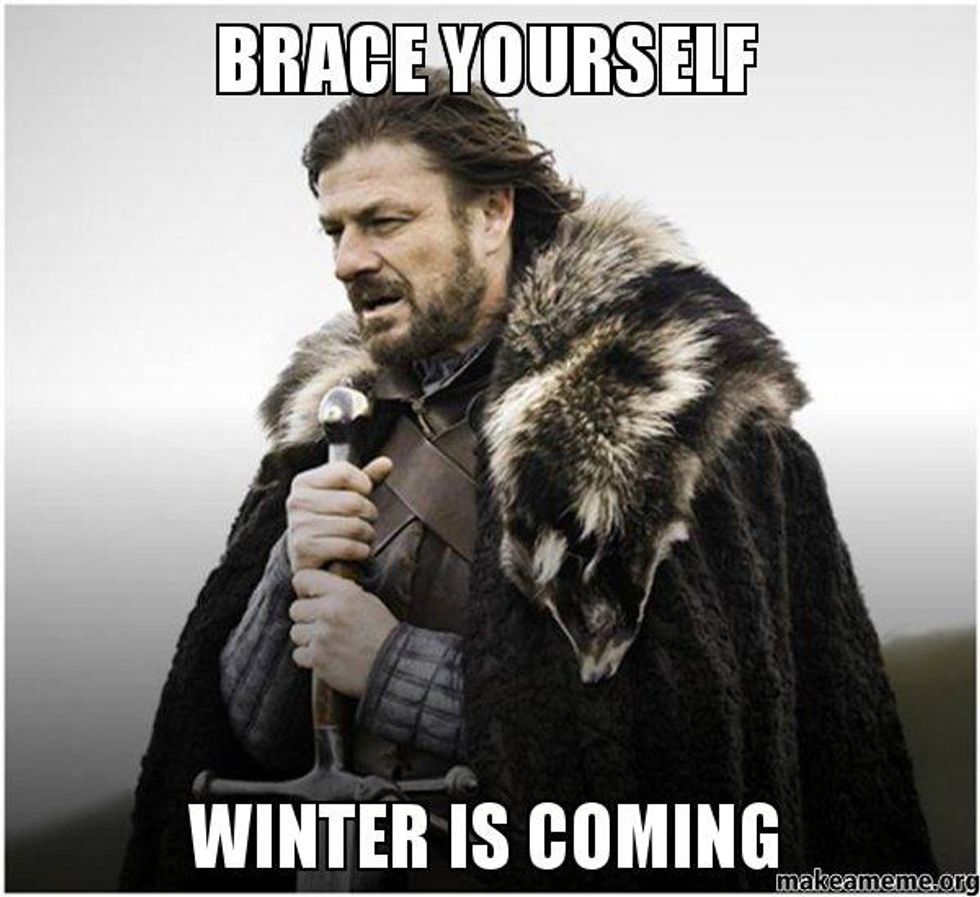
THE POLAR VORTEX IS UPON US #braceyourselves #winteriscoming
THE STRONGEST EL NIÑO IN HISTORY
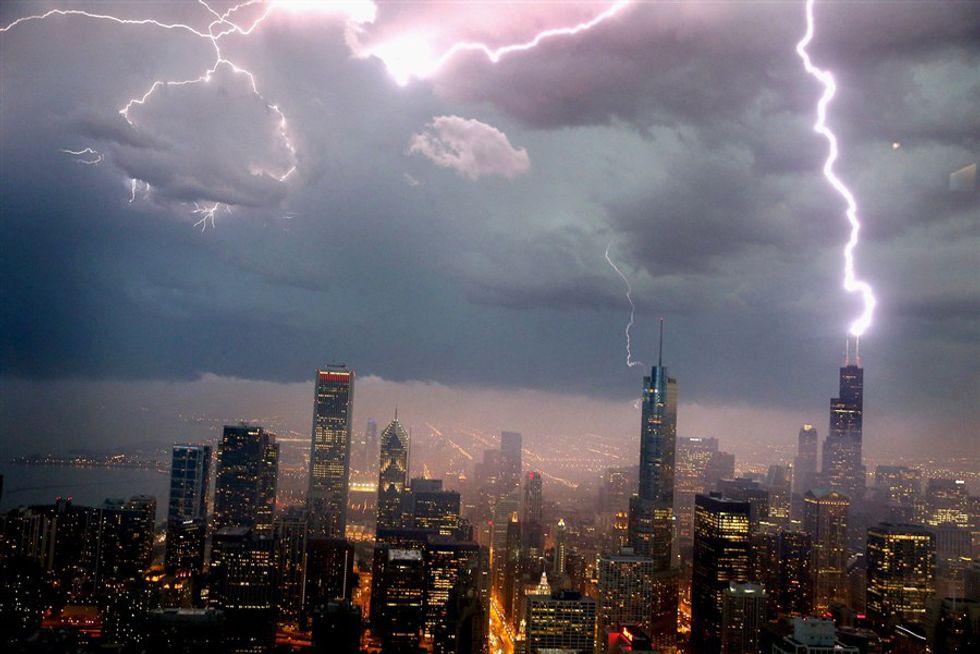
ONE MODEL PREDICTS 300 MPH TORNADOES IN CHICAGO NEXT WEEK
SUNSPOT CYCLES LEADING TO A 2ND ICE AGE STARTING IN 2030

As modern people, we are constantly on our phones and on the internet, and we are subject to clickbait from headlines like these, from websites trying to garner attention by covering the complicated scientific truths of meteorology with simple nuggets of info taken to extremes to scare the public. For instance, of these 4 fake headlines I've written above, three have been actual headlines I've seen this summer or in recent years, with varying degrees of truth and lies. Let's break down these headlines, and find the truth. Enjoy!
Polar Vortex? That term's been around since about 2013, when we had a particularly cold winter, because the jet stream - essentially a river of air in the upper atmosphere that divides cold polar air from warm tropical air - moved very far south, allowing cold Canadian air to go further south into America than usual. That's called winter. It gets cold then, and some winters are colder than others, but please don't spread hype about a supposed "polar vortex" that's going to turn the North into Greenland. Now, there certainly is air circulation in the poles, and it is quite cold, but there's nothing special about that, and it occasionally moves further south than usual. The only unusual thing about it is the hype people give to winter.
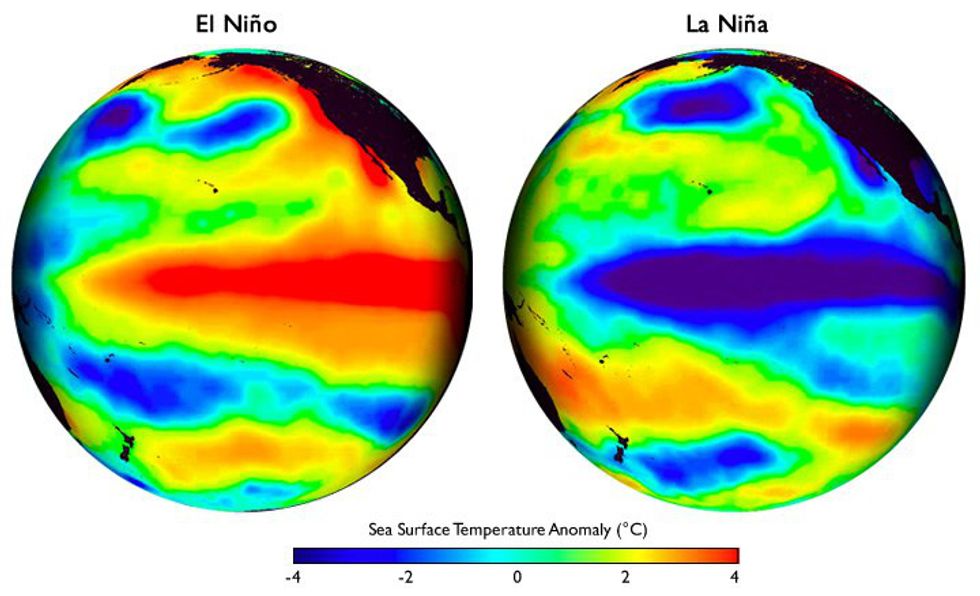
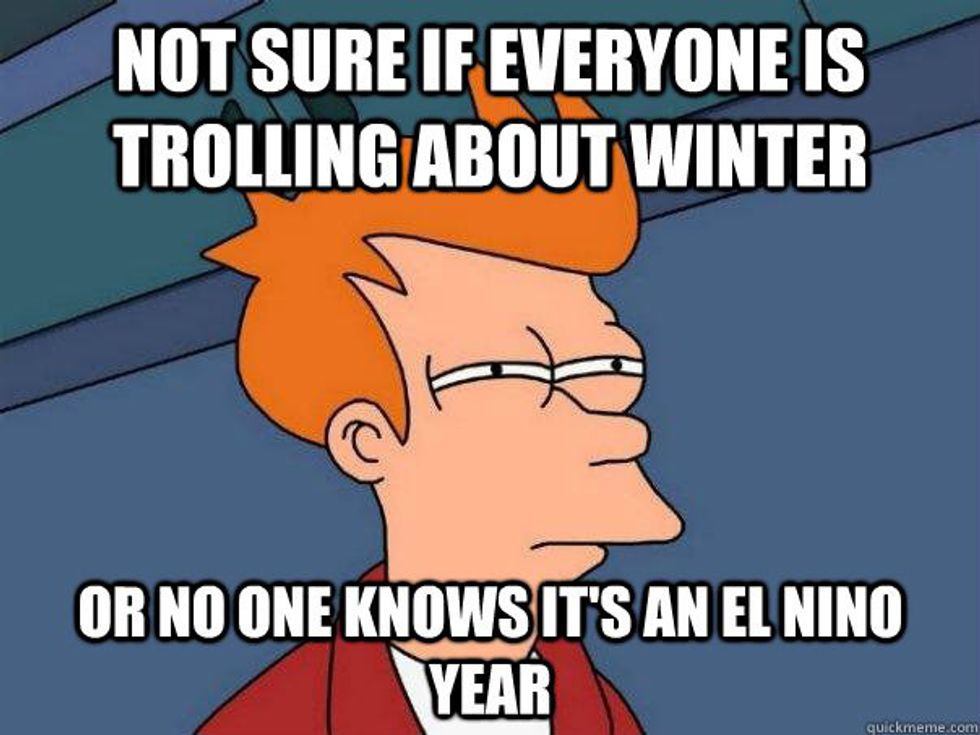
To warm you up, let's talk about something more tropical: El Nino. It's a shift in air circulation in the tropical Pacific caused by temperature changes near Chile, and it has some important effects on global climate, such as weaker tropical cyclone development in the Atlantic, and generally warmer winters in the North. Indeed, this year we have a particularly strong El Niño, which may be the strongest one we've found or recorded so far. However, El Niño was only discovered in the last few decades, so the strongest one ever recorded is not a particularly large deal, and in our part of the world deserves no hype, because it does not bring more severe weather.

Just because one meteorological model predicts something severe and historic a week out into the forecast, it does not mean it will come true, because even though we run one model, called the GFS, out to 16 days, it's generally only reliable out to 5 days for specific local things. Why is that the case? Because we have a lot of uncertainty, since we don't have many observations over much of the world, so to fill in the gaps, the computers make assumptions about current weather conditions over places like the ocean, where we have limited observations. What does all this mean? It means you shouldn't make wild assumptions based on a computer prediction for something terrible happening a two weeks away. Sure, we do often use models to help us forecast, but ultimately meteorologists use their own judgement and discretion when forecasting, and computer models are merely tools.
This being said, long-term forecasting is very difficult, especially for day-to-day weather, which is nearly impossible to predict more than a week in advance. It is somewhat more possible to predict the climate, or average weather conditions, but one particular story this summer was a real stretch. An article from IFLScience this summer took a conclusion from a study by British astronomers about sunspot cycles and a minimum in sunspot activity in the 2030's, and made the unreasonable claim that it would mean a modern ice age starting in that decade. Although sunspot cycles may affect our climate, it is on the order of tenths of a degree if that, which is much less than the effect on global temperature by post-Industrial climate change, thus causing no significant impact aside from a summer of internet hype. The next day, the very same website posted an article debunking the previous article it posted, ending the hype. Such situations can lead to confusion, causing more questions than answers.

What do we do with all this then? How should the public know what to interpret as reliable information? What should someone do when there actually is a legitimate severe weather threat? As a general rule of thumb, take any forecast for more than five days from now with a grain of salt, and anything beyond that predicting a disaster, with an entire saltshaker. Check multiple sources, and don't buy into media hype and big headlines. Someday, we will be able to predict more accurately and further into the future, but that day is not today. When storms happen, stay safe, but when hype happens, stay rational. It never hurts to learn a thing or two :)
One thing I can predict is the trees' leaves turning colorful as fall continues, so enjoy, and thanks for reading!