

Since the dawn of higher education in America, institutions have served to provide their students, and society as a whole, with two primary goals: economic productivity and effective citizenship. In part two of this three-part series on higher education in America, we focus on the learning value of a college education–
or the lack thereof.
To a large extent, there are three main groups contributing to the decreasing complexity of knowledge obtained at our colleges and universities: the students, the professors, and the administrators.
Paying to party.
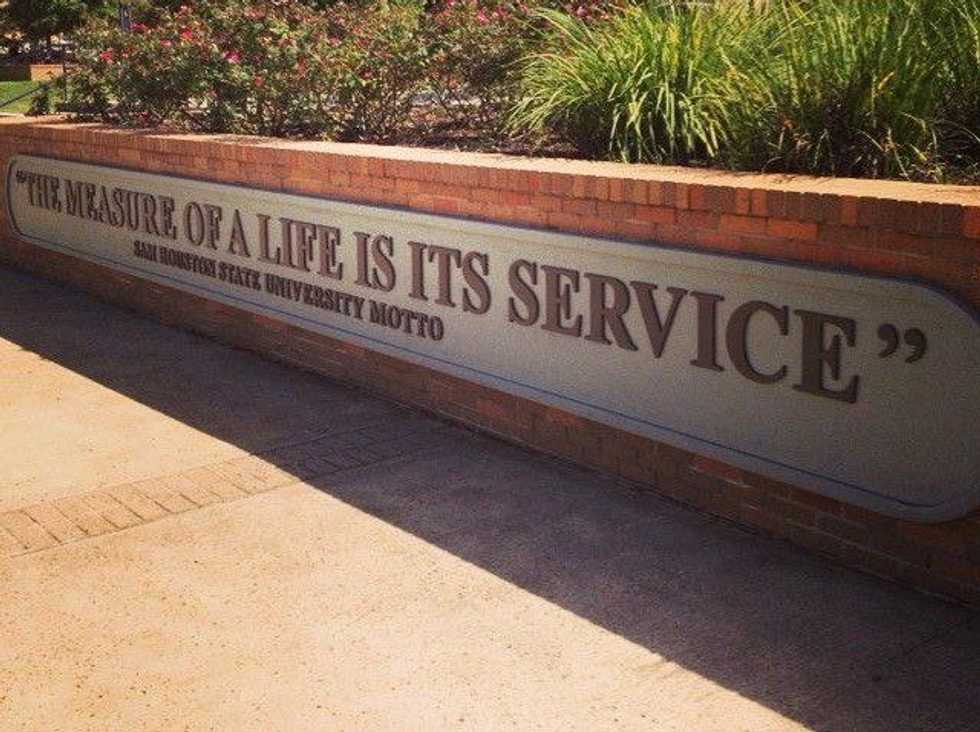
There is no question that the college experience is an important aspect of attending college, but it seems more and more, that is the only aspect of college for many students. Other than meeting new people and experiencing new things, it is also a general rule of thumb to study 1-3 hours for every hour in class. However, a recent study shows that the average full-time college student spends less than two hours a week studying. The Collegiate Learning Assessment (CLA), which evaluates students’ skills in critical thinking, complex reasoning and writing, reflects these studying habits. The latest CLA results show that in the first two years of college, the average student improved these skills by 7%. Even more disturbingly, almost half are demonstrating no appreciable gain at all. This is not to mention that 36% of first-year students took at least one remedial course; students are starting off behind and making little gains. All of these facts culminate to one eye-opening truth – less than half of the Bearkats will ever graduate at SHSU.
The professor or whoever’s available.
The problem facing undergraduates today, as it pertains to instructional faculty, is two-fold: first, the number of faculty is dwindling and second, those remaining are providing far less rigorous coursework. I am sure many Bearkats, including myself, have had at least one class that was instructed either fully, or partially, by a part-time graduate student. Despite the incredible increases in college tuition, from 1991 to 2011, the number of full-time instructional faculty increased by 42%, while the number of part-time faculty increased by 162%. As a result, part-time members, instructing American college students, now make up 50% of all faculty positions.
The concern that we are obtaining less knowledge and skills as we attend college, can be, at least partially, attributed to those teaching the knowledge and skills. According to a Carnegie Foundation study, faculty overwhelmingly reported that research was more important than teaching for receiving tenure; only 13% said classroom observations were important, and 25% of faculty reported that student course evaluations were “very important” for tenure decisions. So to the extent that teaching mattered at all, it was focused on student satisfaction. This could partially, in my opinion, encourage faculty to replace rigorous coursework with low academic standards, while generously issuing high grades, in order to boost their students’ satisfaction. 50% of college seniors reported they had never taken a single course that required more than twenty pages of writing. I think it would be fair to say, that if students are not being required by their professors to read and write, it is hard to imagine how they will improve their ability to master these skills.
If we build it, they will come.
The administrators, in my opinion, are the largest contributors to the drift away from instructional focus. The administrative issue is once again, two-fold: the administrations employment structuring and their focus on non-instructional expenses. The broadly defined, “Student services,” and managerial positions now make up 30% of the professional positions on American campuses. At the same time, as professor salaries have increased by 20% (inflation-adjusted) over ten years, administrator salaries have increased by 45%. Not only are administrators finding themselves more valuable, they are focusing more and more on building bigger and fancier buildings to recruit “elite” students. In one decade, public institutions increased “instructional” spending by 10%, while at the same time increased “operations and student services” spending by 46%.
But here is my opinion: The value of a college education is not primarily economic. The experience, skills, and knowledge students develop through higher education contribute to their personal development and promote their engagement in a democratic society. The college lecture, like the church sermon, is a commitment to the idea that students’ lives can be transformed to lead lives of meaning and purpose – and I hope my professors feel the same way. As to university administrators, your ability to erect beautiful buildings and policies that provide higher education has surpassed your abilities to then provide attention and effectiveness in the quality of the education within the marvelous structures you have erected.

















