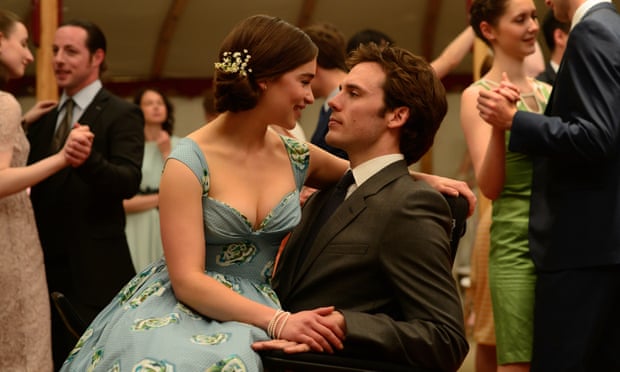
"Me Before You" is a heartbreaking romantic comedy starring "Game of Thrones" actress Emilia Clarke and "The Hunger Games'" Sam Claflin. Based on the best-selling book of the same name by JoJo Moyes it centers around bubbly and quirky Louisa (Clarke), an unambitious former waitress in a small English town, who is hired as a caretaker for handsome billionaire and recent quadriplegic, Will Traynor (Claflin).
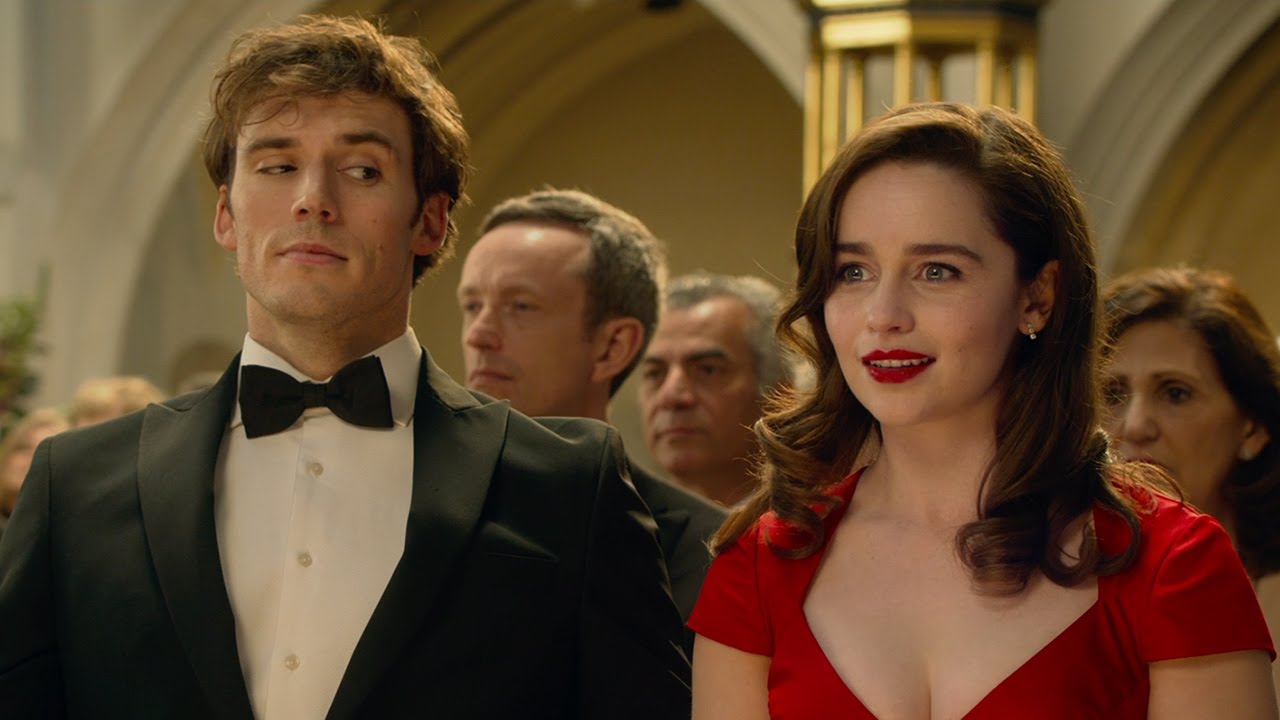
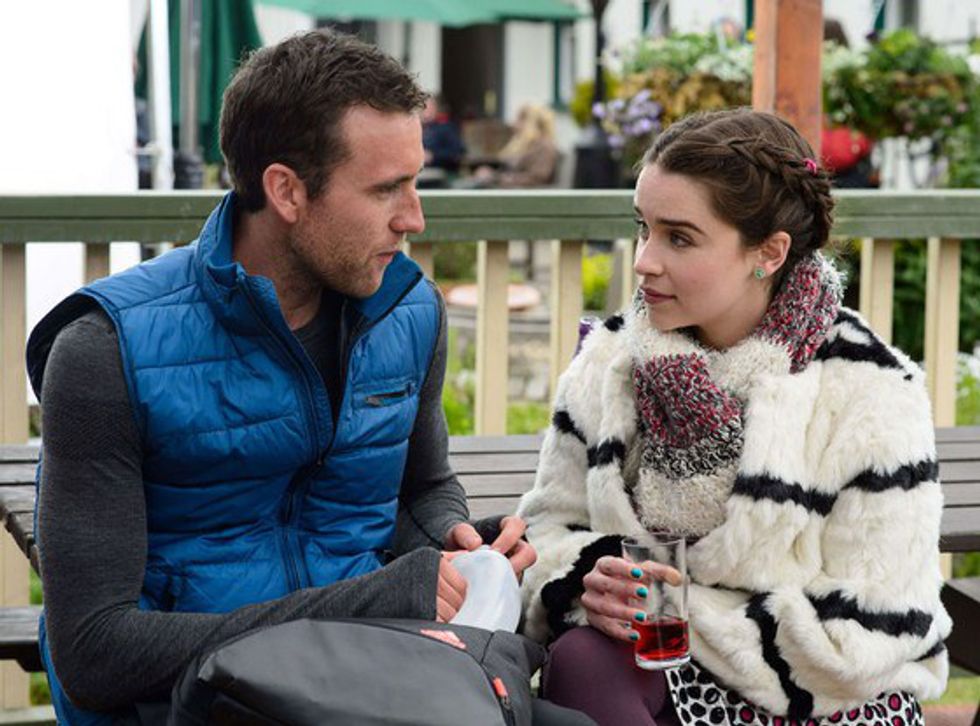
The movie starts out simply enough. Louisa is fired from her job of six years, she goes home and tells her family about it to establish for the audience that they are very poor and desperately need money. We meet her boyfriend- an ineffable jerk played by "Harry Potter" star Matthew Lewis, and then she finally gets the prized job of working for the most wealthy family in town. I should probably put a spoiler warning here for those who haven’t yet seen the movie or read the book because this is where the proverbial train goes off the tracks.
After "Me Before You" cycles through the textbook romcom set up (Guy is a jerk to girl, but girl just won’t give up!), Louisa finds that Will has elected to be euthanized in Switzerland in the next six months. His mother had hired her in hopes that she would be able to change his mind but it doesn’t look too promising. Louisa then launches into a full ‘Don’t Let Will Kill Himself’ campaign. They go on fun and romantic trips together: horse races, a classical music concert, his ex-girlfriend and best friend’s wedding- to show that he is totally over her and now falling for Louisa- all finally culminating in an idyllic paradise getaway in Mauritius. By now Louisa and Will are fully in love. They share a romantic kiss on the Mauritian beach and he tells her… that he’s still going to kill himself.
Not only is this a very clumsy way to construct a dramatic and tearful end but it sends the message that it is better to die than to live with a disability. "Me Before You" structures the topic of suicide the same way that many do when talking about it in regards to disability. There are repeated references to it being ‘his choice’ and not a single mention of psychiatric care. When a non-disabled person talks of suicide, they’re discouraged and offered professional treatment. When a disabled person does it is accepted and suddenly people’s prized principles of autonomy are upheld.
From a media perspective, life seems pretty bleak for disabled people who chose to follow the film’s advertising campaign and #LiveBoldly. Movies like "My Sister's Keeper," "Who's Life is it Anyway?," and "The Sea Inside," all boast the same narrative of ‘radical reclamation of self’ in suicide after becoming ill or disabled. There are so many stories to explore in the spectrum of people living with disability, yet television and film are obsessed with telling the same tragedy porn story over and over again that says that life is worth less when it resides in a disabled body.
With the media sphere flooded with films that project a harmful narrative for people with disabilities it’s more important now than ever to give focus to movies that shed a more positive light. Movies like "Still Alice" and "The Theory of Everything" that show that life with a disability can be rich and full despite the near constant insistence that assisted suicide in Switzerland is the only option.