
One might believe that people would be less likely to purchase a gun after a mass shooting, but this is hardly the case. Yes, that's right, apparently the U.S. believes that more guns is the answer to gun violence, and if not that, then we at least think that the best time for purchasing firearms is just after a shooting. With 353 mass shootings this year alone, and counting, many are left in question.
Why is this a norm in America? Why do we outnumber every country in gun violence and gun homicides? There are on average less than 50 homicides a year in Japan; less than 150 in Italy, Spain, and Germany; and less than 200 in Canada; the US averages more than 30,000 homicides a year. Well, researchers have found that the high gun ownership rates in the U.S. result in high murder rates -- which is in direct contrast with the low gun ownership rates in countless other countries, like the U.K., that results in low murder rates. If this information is available to all, and is basically common knowledge, then why doesn't the U.S. just calm down on all the gun distribution? Well, unfortunately, it's not that simple (and there are obviously a lot of politicians that are -- behind closed doors -- being "persuaded" to support the gun industry). Here are just a few of the many examples that show why the gun industry is so powerful:
1. Mass shootings raise interest in self-protection
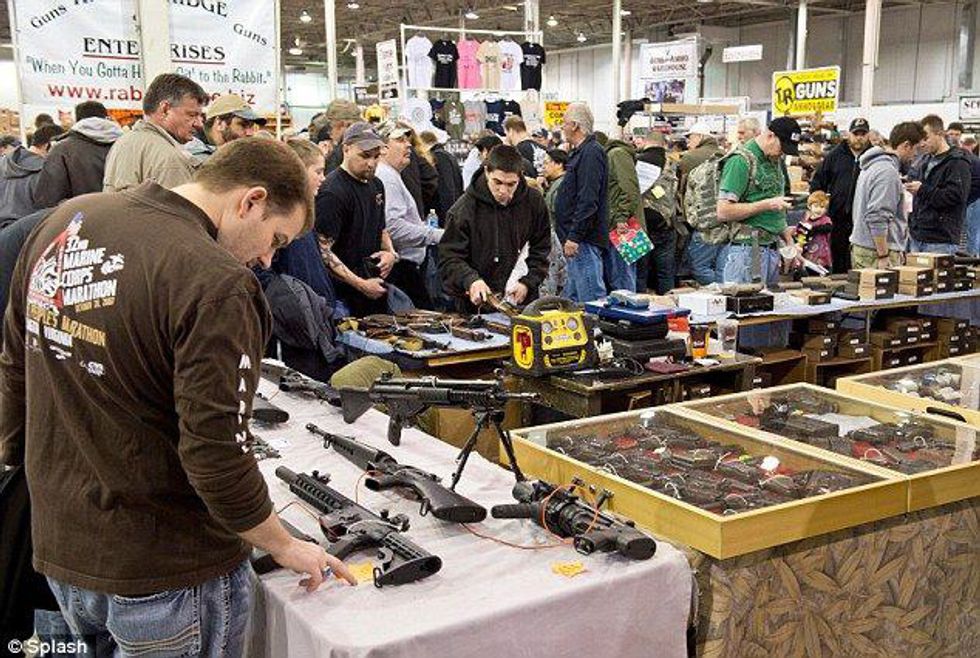
An article by Salon.com presents the argument that the gun industry benefits from mass shootings. The article also describes that not only do gun sales skyrocket after a mass shooting, but often it's the gun model that was used in the shooting that has a major sales boost. For example, sales of the AR-15 (the firearm Adam Lanza used to mow down a bunch of first-graders) soared after the Sandy Hook shooting. Another article regarding gun violence explains that just as was evidenced after the Columbine shooting in 1999, the Virginia Tech shooting in 2007, the Tucson shooting in 2011, and the theater shootings in Aurora, Colorado, in 2012, U.S. gun sales have soared following the mass shooting at Umpqua Community College in Oregon, which killed 10 people and injured seven others. Similarly to those situations of gun sales on the rise, because of the appalling San Bernardino, California, shooting happened during the holiday shopping season (and with such proximity to Black Friday), gun shops found themselves having to gear up for the sales boost they'd received last week.
2. Gun Control Scare
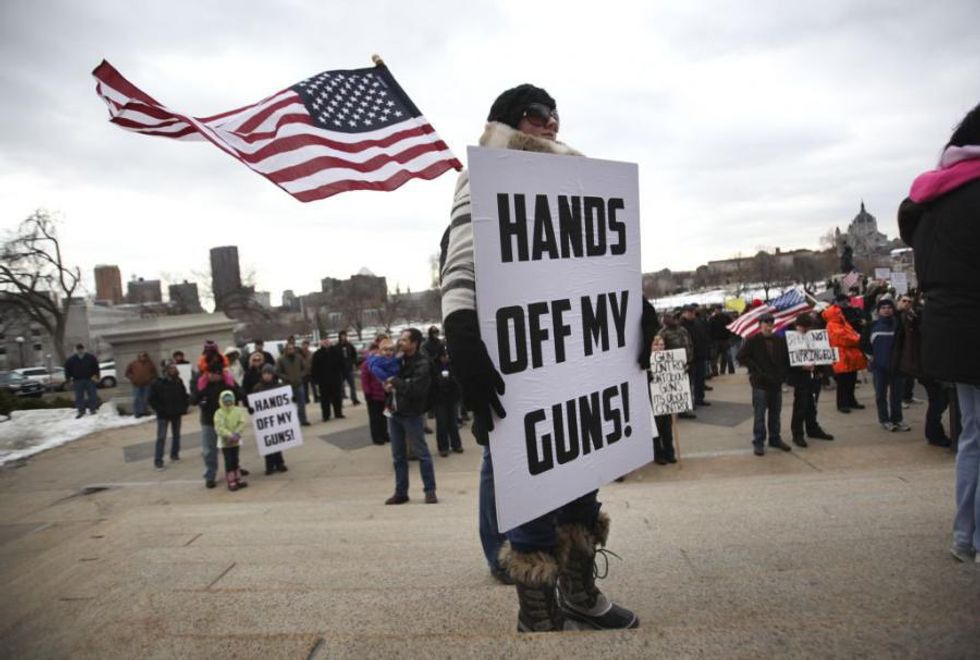
Following a mass shooting, there is always talk of firmer gun control policies, which causes gun enthusiasts to fear losing their precious firearms. Naturally, at this point the National Rifle Association (NRA) will step in and protest this possibility as a violation of the Second Amendment. Gun manufacturers usually donate portions of their sales to back up the protests of the NRA. Despite the fact that the possibility of stricter gun control policies are discussed after nearly every mass shooting and rarely ever acted upon, just the idea that the government would enforce these policies causes people to stockpile guns and ammunition.
Now, it is clear that gun enthusiasts, with the help of the NRA, which represents a multimillion-dollar business, would indeed make it difficult for the government to add more restrictive gun control laws. However, there are steps that can be taken by the government to lessen the appeal of hoarding assault riffles and (hopefully) lower the rate of mass shootings. Banning the advertising of guns and repealing the law that protects gun manufacturers from liability would be excellent starting points. Furthermore, awareness ads and campaigns would ensure that there was less confusion on the risks and outcomes of gun ownership. These tactics were used in the campaign against tobacco use, and thanks in part to those, usage is at an all-time low. The methods work; but is our government willing to risk the monetary income to end gun violence?