Marijuana, weed, grass, herb, bud, sticky-icky, kush, ganja, Mary Jane, green; the list goes on and on. Cannabis goes by many colloquialisms and has been present in United States pop culture for many decades now. It is a large part of film and television with movies featuring Cheech Marin and Tommy Chong as well as prominent, successful series following “stoners” and drug dealers in shows such as “Weeds” -- not even to mention its ubiquity in our music ranging from rap to reggae to even country. We even have a day dedicated to smoking weed.
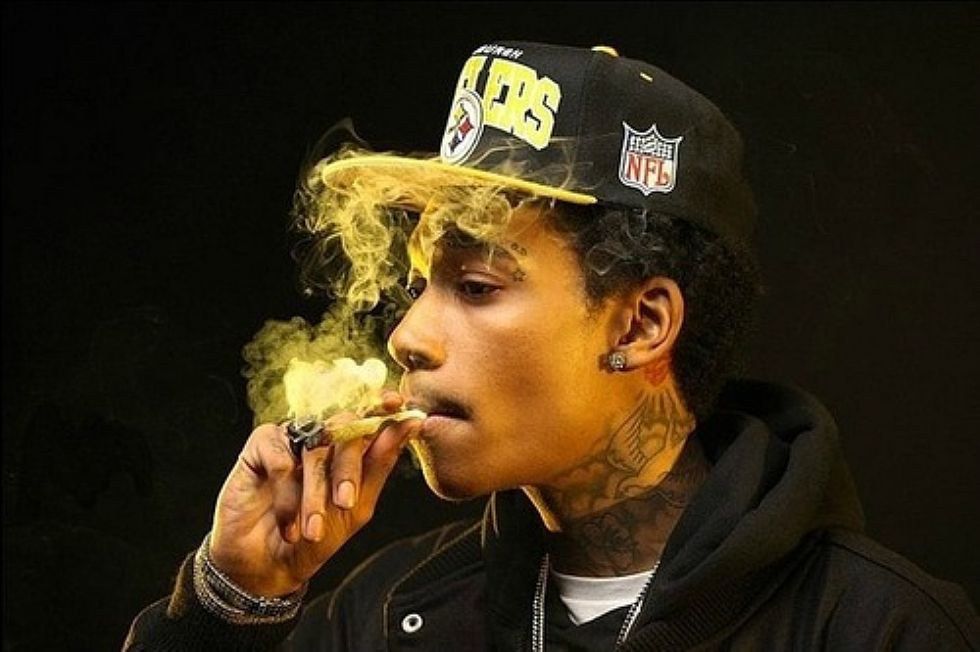
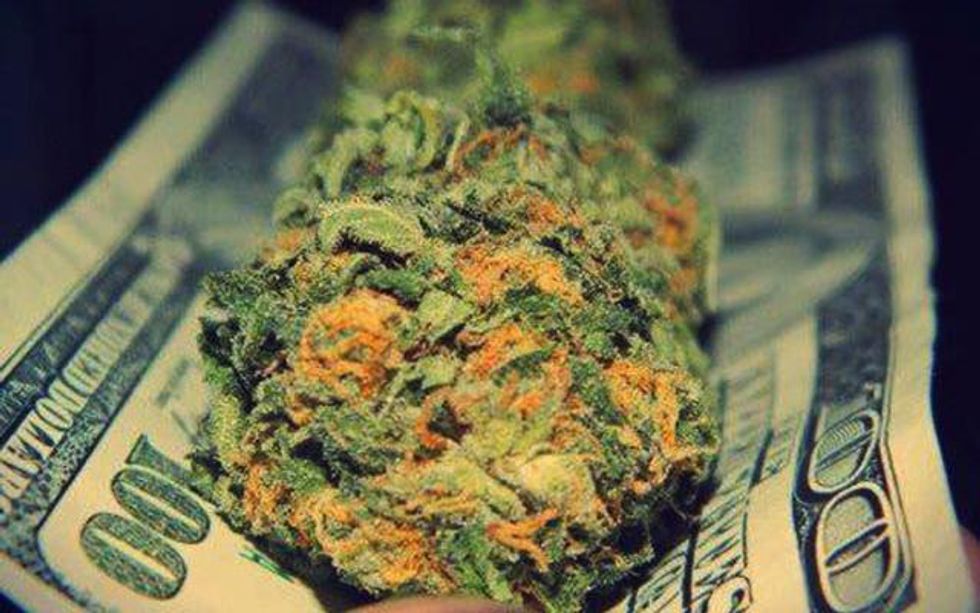
All of these are demonstrative of our society’s fascination with a mind-altering substance paired with personal freedoms and individuals’ choices.
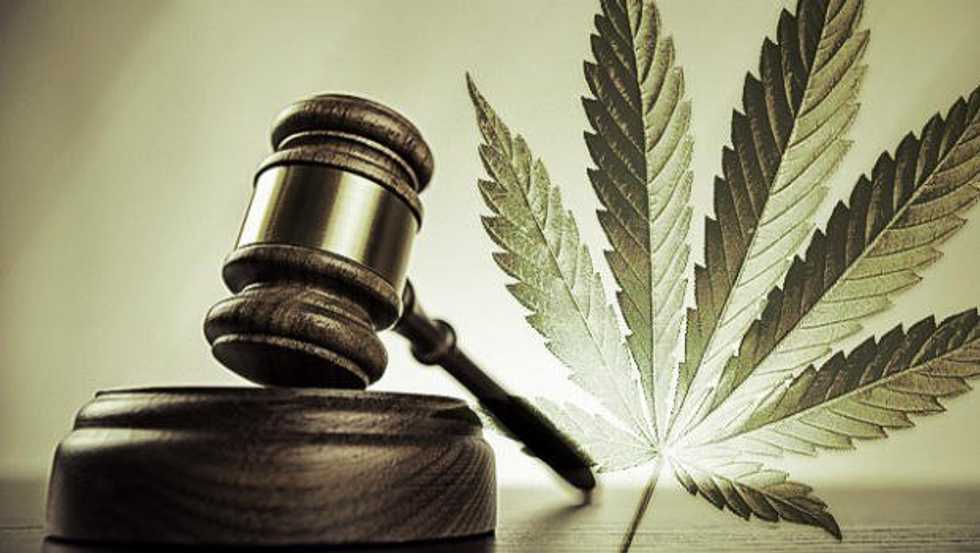
Cannabis has become a smoldering topic in our society in the past 30 years and has varying views. Some argue that it has medical benefits. Some say that it is "the Devil’s lettuce” and has no place in our society -- it should be banned and the possession of it should be met with the harshest of sentences. Some areas of the country have alleviated sentences regarding the use and possession of the substance, with 20 states allowing cannabis to be consumed for medical purposes. Others (Colorado, Washington, Alaska, Oregon and Washington D.C) have completely legalized it for recreational use. However, the United States is not by any means the most progressive nation in its views on this matter.
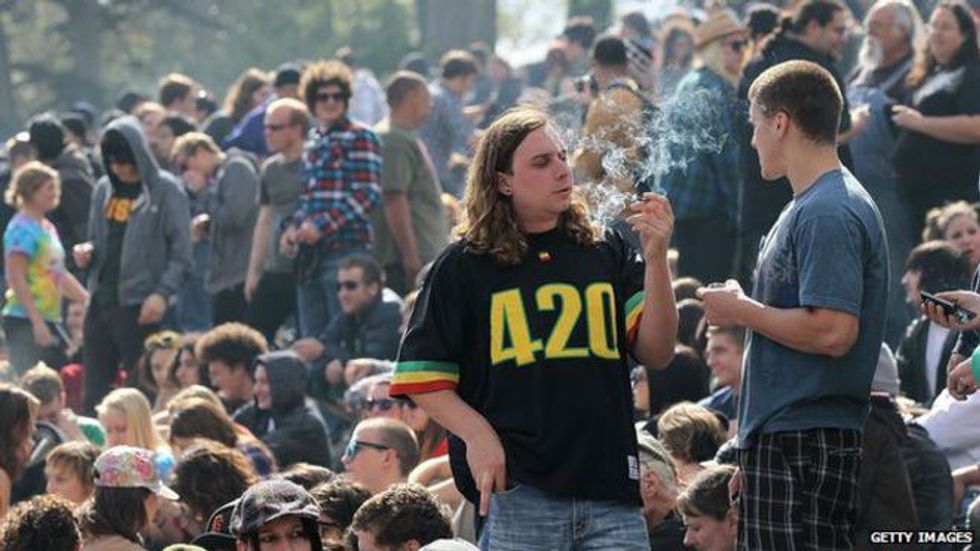
In honor of the marijuana holiday last week, innumerable habitual smokers of marijuana partook in the yearly event of 420. For those who don’t know what that is, 420 is the pop-cultural reference to April 20. This day is dedicated to smoking massive amounts of marijuana, and engaging in a sense of global community via getting stoned and sharing One Love.
On a much more serious note (probably coincidentally) on April 20, 2016, Canada announced that it would begin the process of completely legalizing and regulating cannabis recreationally. For many people, this is a large step in the reform of a substance that is, for the most part, completely banned in the United States, with laws similar to those of Prohibition.
 Well, what is the importance of this law that will not affect the citizens of the United States?
Canada's announcement of a nationwide legalization of its neighbor’s number-one most-prohibited substance puts the United States in an awkward position. How can two nations so similar both societally and geographically have such different opinions on a substance?
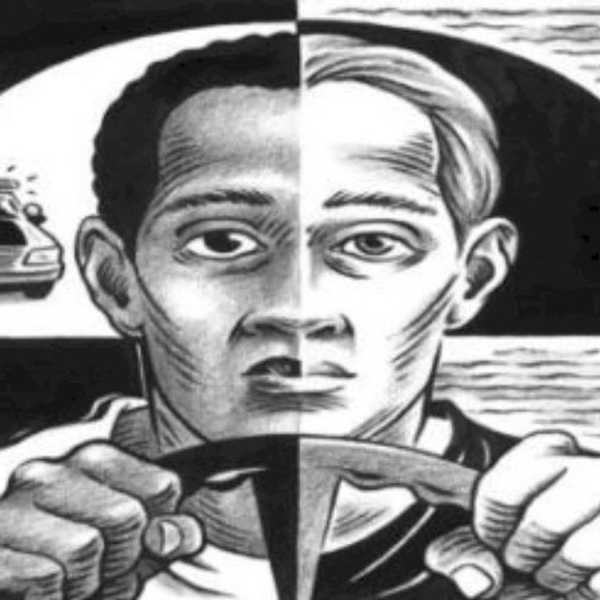
The reasons for this are unknown, but Canada’s announcement of this new policy will definitely bring up more questions in the United States about the benefits of legal, recreational marijuana, especially considering its economic impact. While by no means do I encourage anyone to possess or use the substance illegally, that is not to say that the numbers do not point to a solution to some problems within the criminal justice system. The ACLU reports that eight million arrests were conducted between 2001 and 2010, leaving African-Americans 3.73 times more likely to be arrested than their fellow white citizens, although the usage of marijuana is equal in both ethnic groups (here is their report). Colorado’s numbers in its prisons have dropped, its tax revenue and tourist industry has increased drastically, and the entire state has benefitted from the legalization of "the Devil’s lettuce” (read their findings here).
Maybe the United States should follow Canada’s lead and simply give up its fight in a war it is obviously losing, while simultaneously harming its citizens and depriving the citizenships of its pecuniary resources. Maybe it shouldn’t. Maybe it won’t. Who knows?