

When Hot 97’s Ebro Darden recently interviewed actor and film producer Samuel L. Jackson to promote his movie Kong: Skull Island, in theaters now, a surprising topic arose regarding the influx of Black British actors in American film.
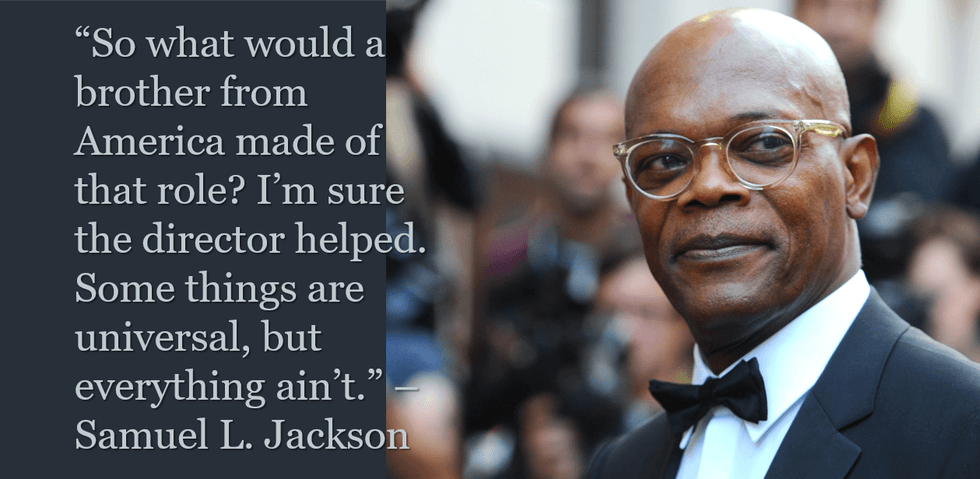
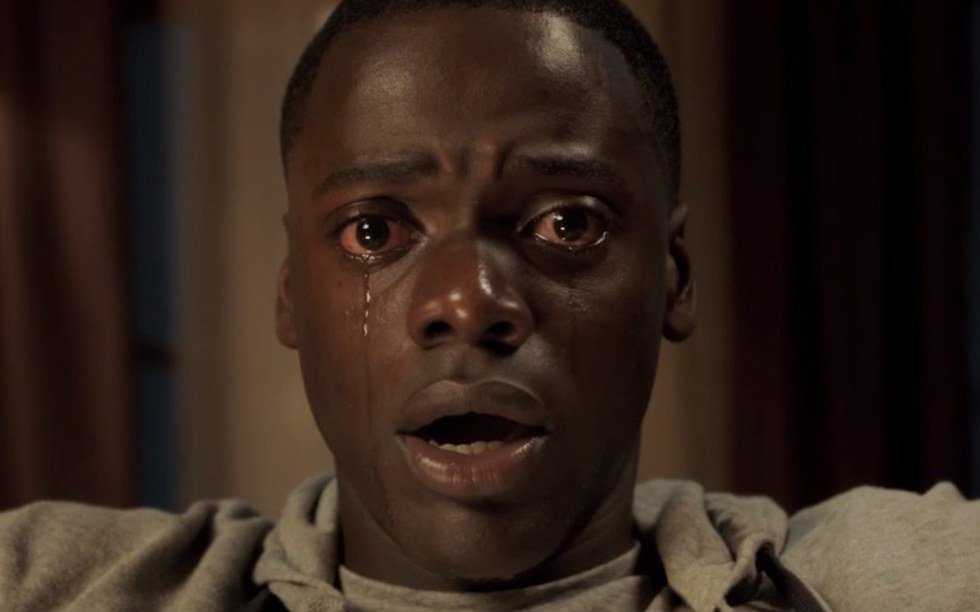
“I know the young brother who’s in the movie [Daniel Kaluuya], and he’s British. I tend to wonder what would that movie have been with an American brother who really understands that in a way. Because Daniel grew up in a country where they’ve been interracial dating for a hundred years. Britain. So what would a brother from America made of that role? I’m sure the director helped. Some things are universal, but everything ain’t.”
Before Jackson's comment, I didn't think of the distinction between British and American in Hollywood, but I do think that it is an interesting take. I grew up idolizing actors like Idris Elba in Daddy's Little Girls, and Cynthia Erivo in The Color Purple, not recognizing or realizing their nationality. However, the pure talent of their craft and their ability to switch so seamlessly into an American accent moved me into loving these productions even more.
It seems as though Americans don't have a problem with Black British actors in American film. They only wrestle with the recent trend of choosing them over Black Americans in roles that feature American history or American culture. Martin Oyelowo, British actor who portrayed Rev. Dr. Martin Luther King Jr. in the 2014 biopic Selma, explains that because he has acted in various movies about American culture he asserts, “I know more about American history than I do either Nigerian or British history at this point.” He 'learned' how to be African American through acting in American film. The ill-contrived contention is that because Black Britons did not have to endure struggle, therefore they shouldn't be permitted to portray struggle, a similar to a debate had when non-Black people choose to use blackface makeup. Are we really going to lump those two dilemmas together? The universal wonder and struggle of being Black, should not be lost in the fact one is from a different continent.
Still, American production companies are to blame at some level. No American audience overtly asks for British actors over American ones, but for some reason Directors and production companies keep choosing them.
 Sophie Okenado, a British Tony Award winning theater actress known from her role as Ruth in A Raisin In the Sun, told the Guardian, "I do notice that – over the last year – I've had maybe two scripts from England and tens and tens from America. The balance is ridiculous." Maybe production companies and directors value Black Brit actors' ability to adapt to the various American accents, or maybe it is their training at esteemed British acting academies that attract producers. Either way, the preference is prevalent and, Okenado put it perfectly, ridiculous.
The petty debate between Black American and Black British actors does nothing but further divide a community that everyone on the outside (non-Blacks) sees as one. While Black British actors may not have the same history as their American counterparts, that shouldn't stop them for holding the same opportunity to attain American roles. Would there have been a difference David Kaluuya was American? Most definitely. But that answer has less to do with the fact that he is British, and more to do with the distinct acting styles of any actor, American, British or individual otherwise.

















