
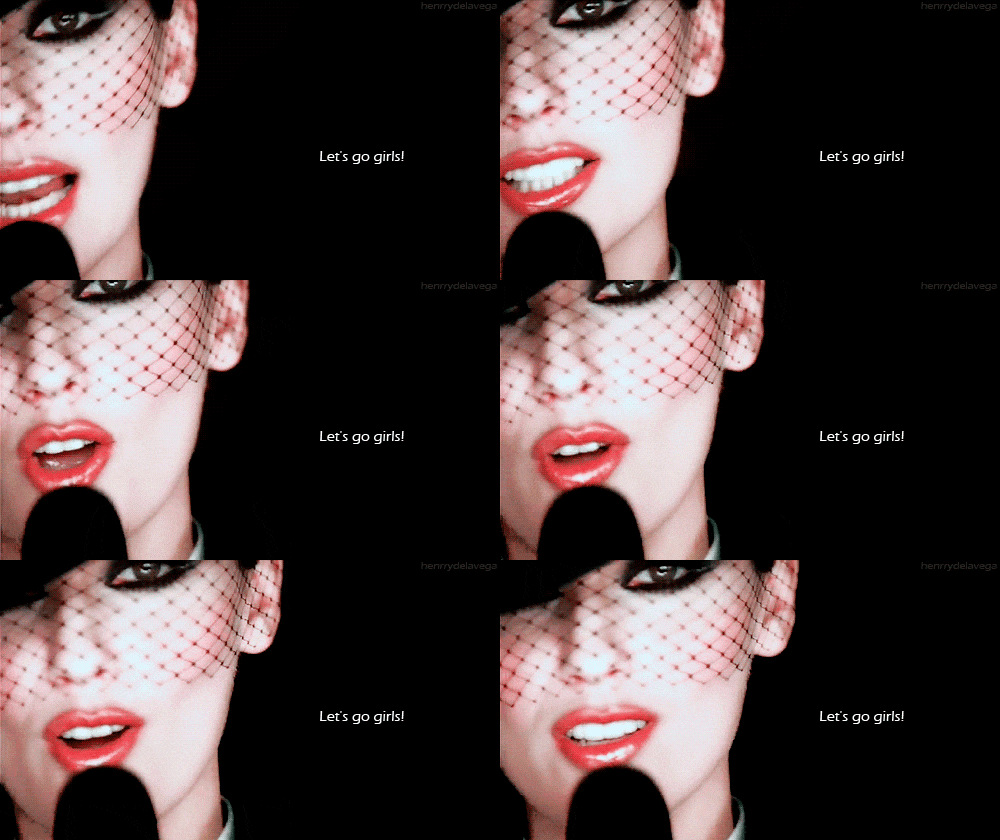
I still remember striking poses with my friends to the opening sequence of Shania Twain’s “Man, I Feel like a Woman.” You know, the part that goes, “Bwam, bwam, bwanana na na… Let’s go, girls.”
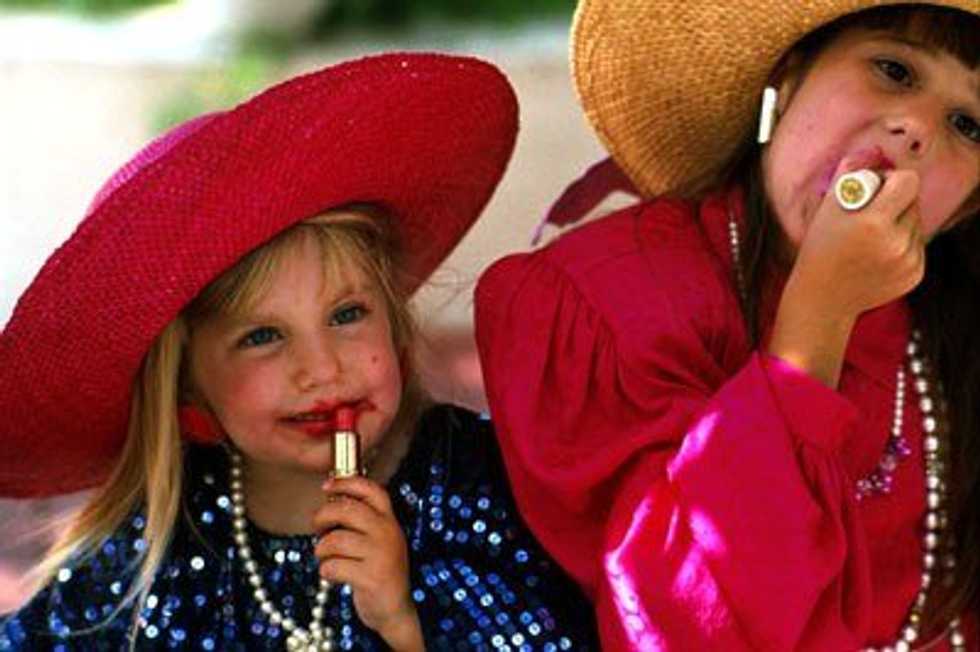
It was my eighth birthday party, and my friends and I had decked ourselves out in Mardi Gras beads, feather boas, hats and lipstick, and were doing our best to shuffle around my living room in oversized high heels. We danced, we sang, we felt like women. At 8, to feel like a woman was to feel pretty, to wear dresses and makeup and have long hair. It was to imagine what it would be like to kiss a boy and to plan our weddings. It was to play with dolls as practice for being the mothers we felt predestined to become.
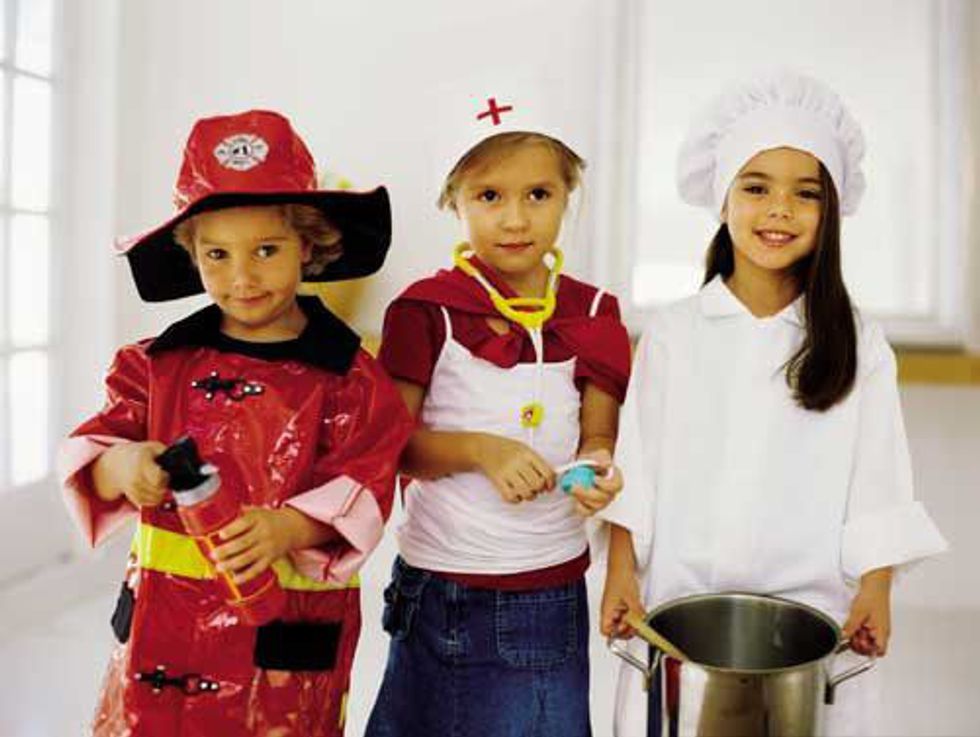
As a child, I was proud to be a girl. Every stuffed animal I’d ever had had been declared a girl upon receipt. I thought that to be a girl was the best possible thing to be. It was likely because of some sort of childish narcissism, through which I reasoned that whatever I happened to be must be the ideal. I believed that I could be anything: a doctor, pirate, princess, shark, farmer, cat or slug. I could even make a baby out of my own body if I wanted to. The possibilities were endless.
A few years passed and I turned 13. Thirteen is a confusing time for everyone. By this point, I still stood firmly and proud of my identity as a girl, but I wasn’t a girly girl. I had learned that it was fine to be a girl, but I shouldn’t like pink too much or care about my fingernails or shoes. I should be tough and be friends with boys and roll my eyes at the girls who had posters of Zac Efron in their lockers. It was fine to be a girl as long as I wasn’t feminine. But I still drew mermaids in my journal and grew my hair as long as it would grow. I still felt a thrill when my mother would curl my hair or put blush on my cheeks. I wasn’t a tomboy, but I didn’t feel very girly. Like I said, a confusing time.
More years passed. I dropped the judgmental facade that I’d worn like a shield during puberty. I fell into infatuations and in and out of love with boys and girls alike. I grew. I learned from people I met and people I read about that gender is not limited to Barbie and G.I. Joe. I learned about butch lesbians and drag queens, transgender people, and people who don’t fit into the gender binary at all. Men could wear lipstick and women could shave their heads but not their armpits. And it was fluid. A person could feel feminine one day and masculine the next, or both, or neither.
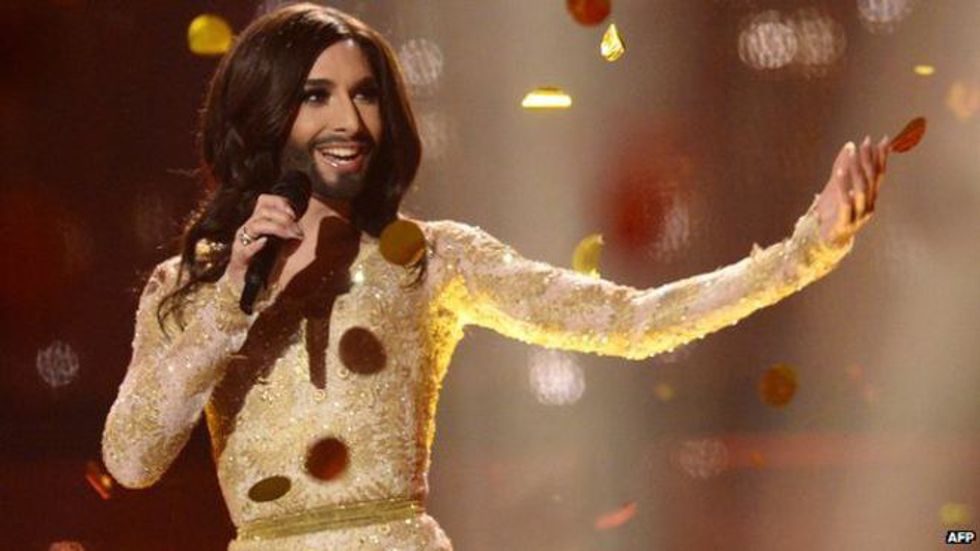
I heard Shania Twain’s song again and didn’t find myself connecting to it. I didn’t understand what it was to “feel like a woman” anymore. My own gender felt incidental. Like my name. I hadn’t chosen it, and I didn’t feel like it really had very much to do with who I was as a person. I didn’t feel like it was wrong, but I also didn’t feel like I would be very different in my personality and interests if I had been born with different genitalia. Womanhood spread from Lea Delaria to Dolly Parton to Laverne Cox, and I fell somewhere in between.
But I came to a conclusion. To feel like a woman is going to be a different feeling for everyone. It may be a feeling of strength or vulnerability or maternal instinct. It may be a feeling of sexual empowerment, beauty, power or safety. My own feeling of womanhood is not concrete. It shifts, grows and changes. And that is completely fine because to be a woman is literally anything I want it to be. There is no right or wrong way to feel like a woman, and there is no right or wrong way to be one.