

Earth Day may have just passed us on April 22, but it's not too late to love Mother Nature. It's true that we often don't take enough time to admire and care for the Earth in our busy day-to-day lives. Luckily for us, there are some small, affordable changes that can be made to our lifestyles that will show a little more love to the planet that's given us everything. Make every day Earth Day with these easy ideas for a more eco-friendly life.
1. Bring your own bags to the store.
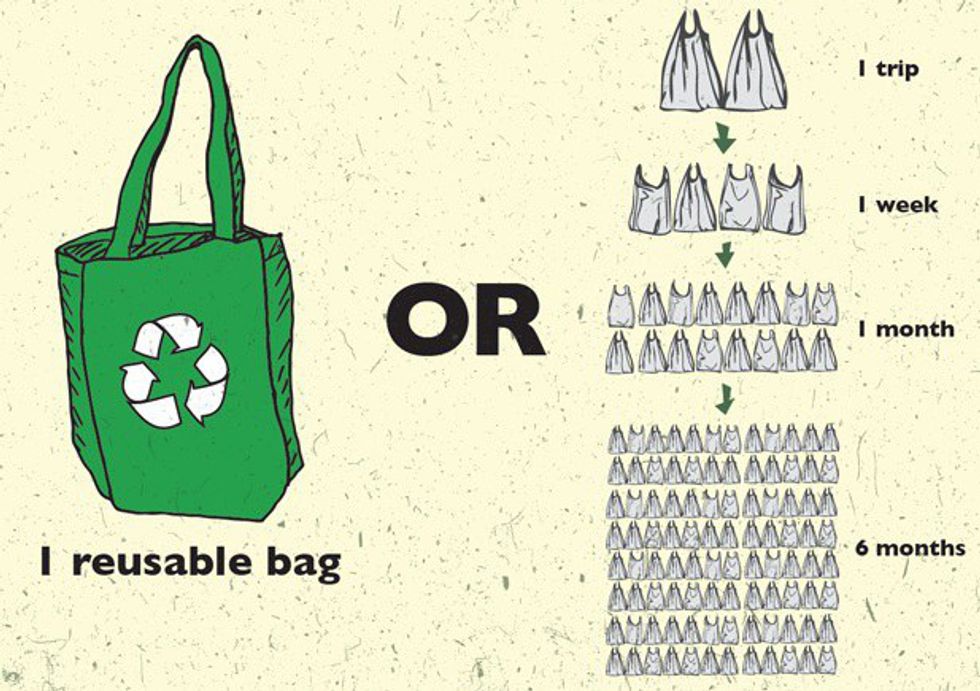
Grocery store, shopping mall or local market, you can help cut down on the number of plastic bags going into our landfills and oceans (where they will stay because plastic is not biodegradable) by using your own bags. They can be cloth, paper, old plastic bags, whatever is available and easy for you.
2. Replace old incandescent bulbs with energy-efficient bulbs.
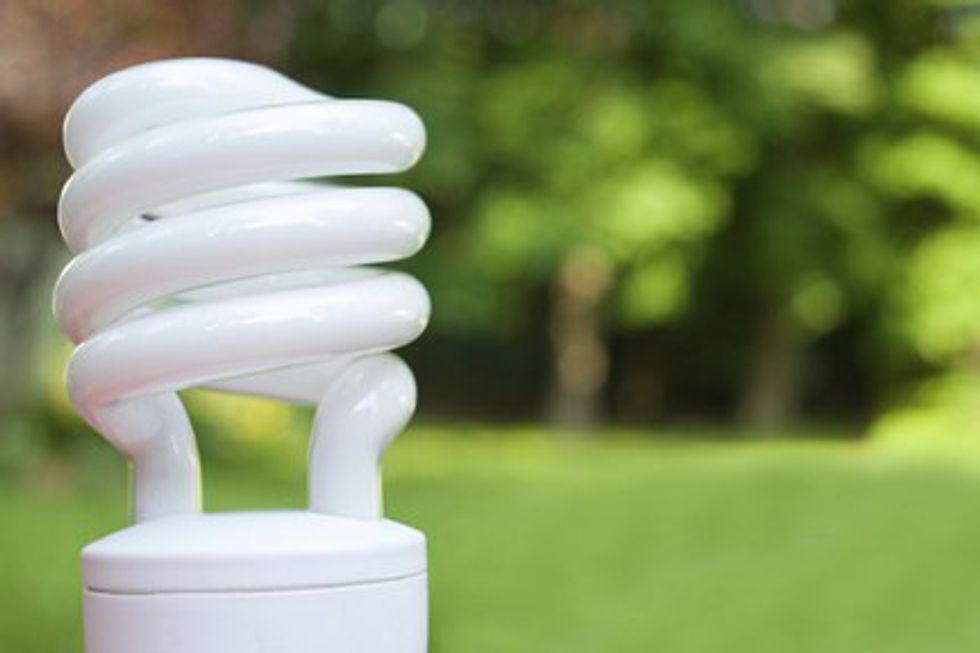
Some examples of energy-efficient light bulbs include halogen incandescents, compact fluorescent lamps (CFLs) and light-emitting diodes (LEDs). These new bulbs are said to use anywhere from 25 to 80 percent less energy and last about three to 25 times longer, saving you time and money on bills and replacing bulbs in the future.
3. Use reusable kitchenware, utensils and plates whenever possible.
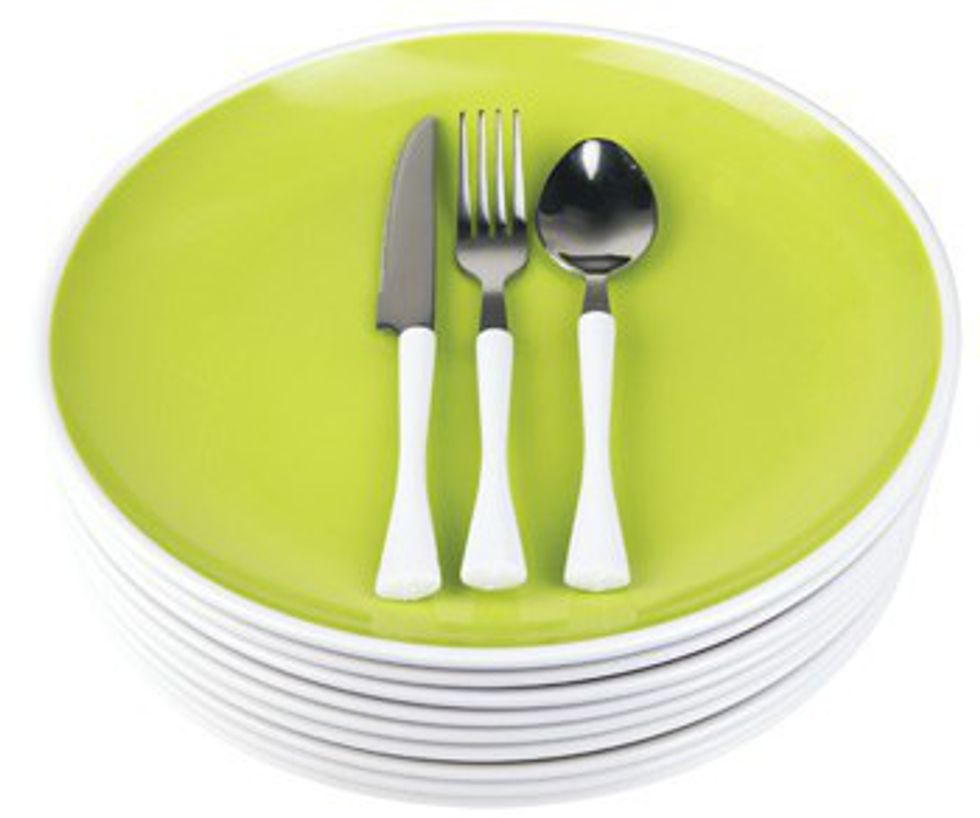
It's true that if you go out to eat, you may not have as much of a choice, but ordering to eat in is usually more likely to not have disposable plates and forks than ordering to-go. While at home, opt for real plates and some type of silverware over one-time-use plates or utensils that will be tossed out after one meal.
4. Wash your clothes on cold.
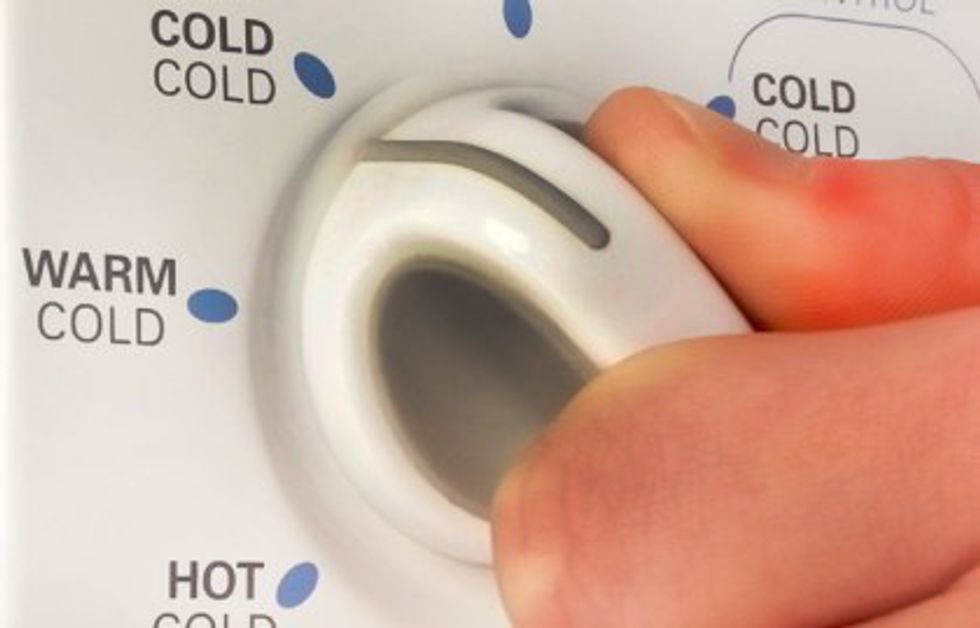
On average, 90 percent of the energy used by washing machines is for heating the water. By choosing to run your clothes through a cold wash cycle (hopefully in an eco-friendly, water efficient washer), you are saving lots of energy.
5. Air dry clothes whenever you can.
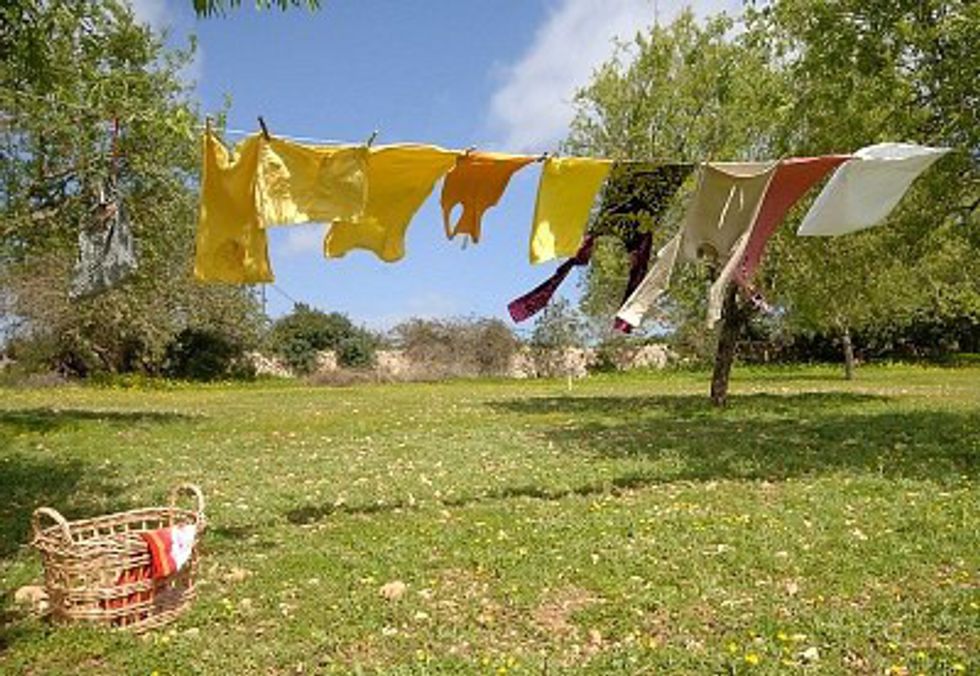
If you don't need that t-shirt dry right now, why throw it in the dryer when you could hang it up? Consider skipping the dryer after the washing machine to let your clothes hang-dry, saving energy.
6. Ride a bike, walk or take public transit.

If it's only you going to get some eggs from the grocery store down the street, why take your car? By walking, riding a bike or taking public transit, you are cutting down on the fossil fuels your car is guzzling up, the icky stuff it burps up and the money you have to ditch out for all of this (on top of the cost of the car itself). Plus, public transit is going to be running whether you're on it or not, so hop on and put one less car on the road.
7. Water your plants during the morning or evening.
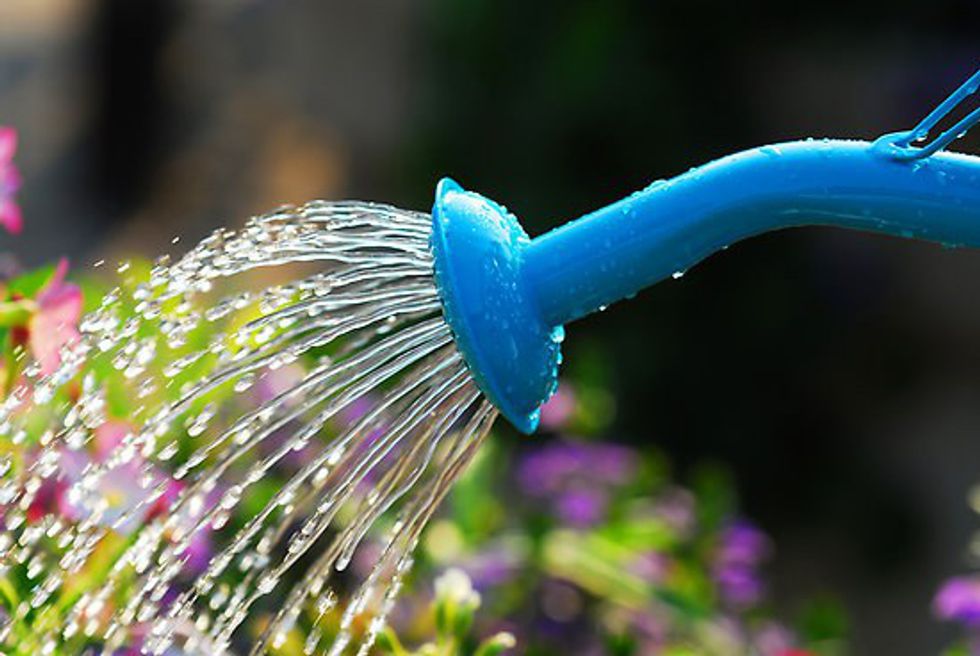
If you water your plants during the middle of the day, the sun is the hottest and therefore evaporates water the quickest. By watering them before or after this time, you allow the plants ample time to get the most of the water and soak it all up.
8. Water plants with leftover water.

You don't want to use just any water for your plants, but there is some water you can reuse. For example, if you are going to rinse fruits or veggies, place a bowl in the sink to catch the water rather than letting it drain. You can also use the water from rinsing rice. The changes may seem too small to be noticeable, but these substitutions add up and cut down on your overall water consumption.
9. Try out "Meatless Monday."
 This one may seem crazy out there for all of my fellow meat-lovers, but trust me, it's easier than it sounds! Not eating meat cuts back on the demand for meat, and the meat industry is responsible for a lot of the carbon emissions and water waste that occurs today -- not to mention the mistreatment of animals that also often occurs. When you start to think about the whole process that goes into getting that steak to your tummy, it starts to not sound so yummy and may make you understand why "Meatless Monday" is a good idea as a step towards a more eco-friendly life.
10. Wash your home with green cleaning options.
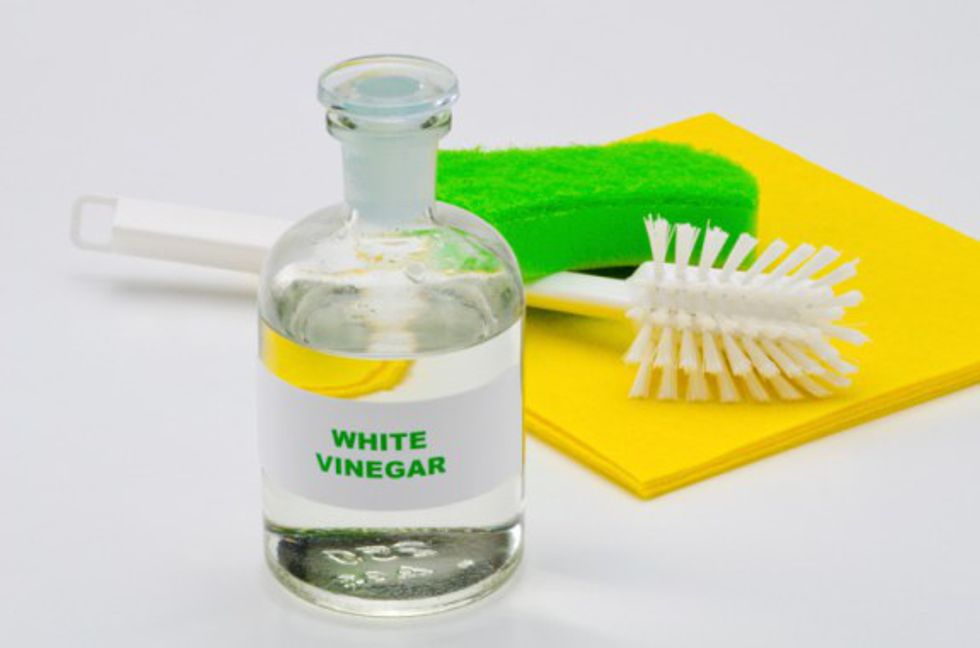
No, not green as in green soap, but green as in good for the environment. When you wash the chemicals found in most cleaning supplies down the drain, they can eventually make their way back to our drinking water; also, not to mention where else they could end up on Mother Earth and what damage they could do there. Water and white vinegar mixed together (ratio of about 9-to-1, water to vinegar) and put in a spray bottle can be quite effective and a more natural option, in comparison with store-brought products.
11. Use a reusable water bottle.
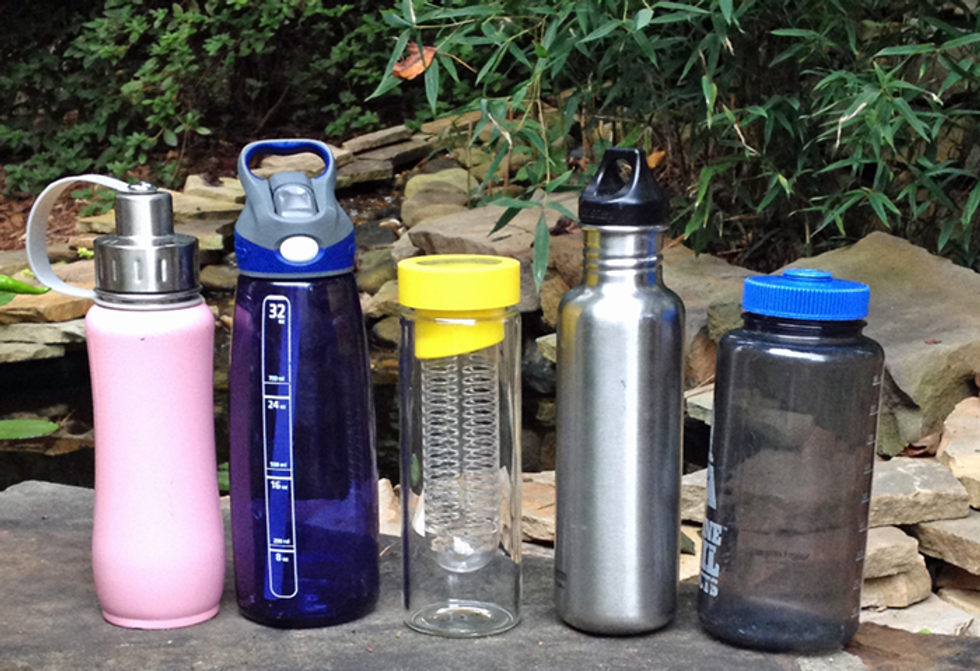
Buying packs of water bottles create a lot of plastic waste (that can't be broken down by Mother Nature). Even if you do recycle, this doesn't solve the problem of water bottles. The amount of waste that is released in the creation and recycling processes are far more damaging than recycling is good. By getting a reusable water bottle, you consume less plastic and can save on the cost by filling your bottle at fountains or other free faucets.
12. Reduce, reduce, reduce. Oh, and reuse and recycle.
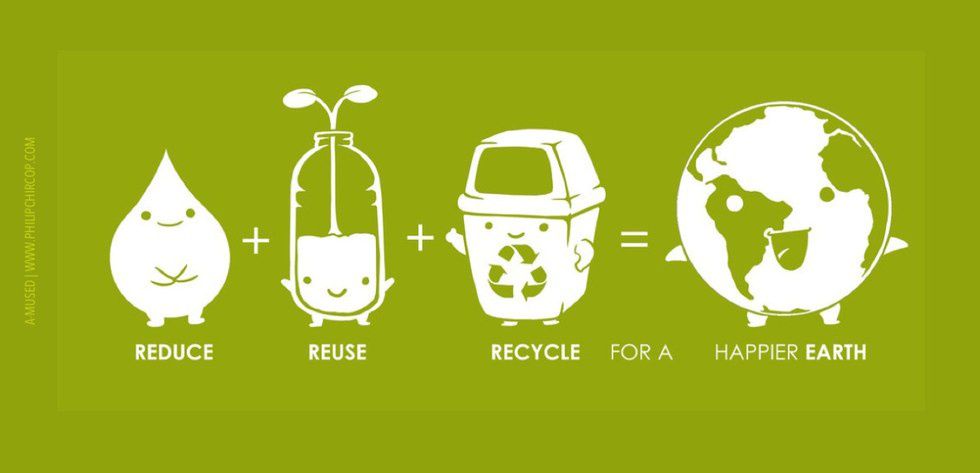
It's true that the "three R's" are "reduce, reuse, recycle," but the first is the most important. That's why it's first. It's most important to reduce your consumption, especially of products that produce a lot of plastic packaging waste, because this will eliminate the need to reuse or recycle. We, as Americans, will inevitably have to consume at some point in our consumer-based society and economy, and that's when it's important to remember the other two R's: reuse and recycle. In the end, by cutting back on how much you consume, you save money and the Earth.