
In this day and age, many college students and young adults are concerned about their health. We are all well-aware of the most popular fad diets and know we should be exercising; however, there are a few dietary secrets that we have all been missing. One of the more shocking secrets is vitamins. I'm sure growing up your parents, just like mine, made sure you had your daily Flintstone multivitamin. What we all seem to have forgotten is to keep taking our vitamins. Some vitamins are a little more "magical" than others:
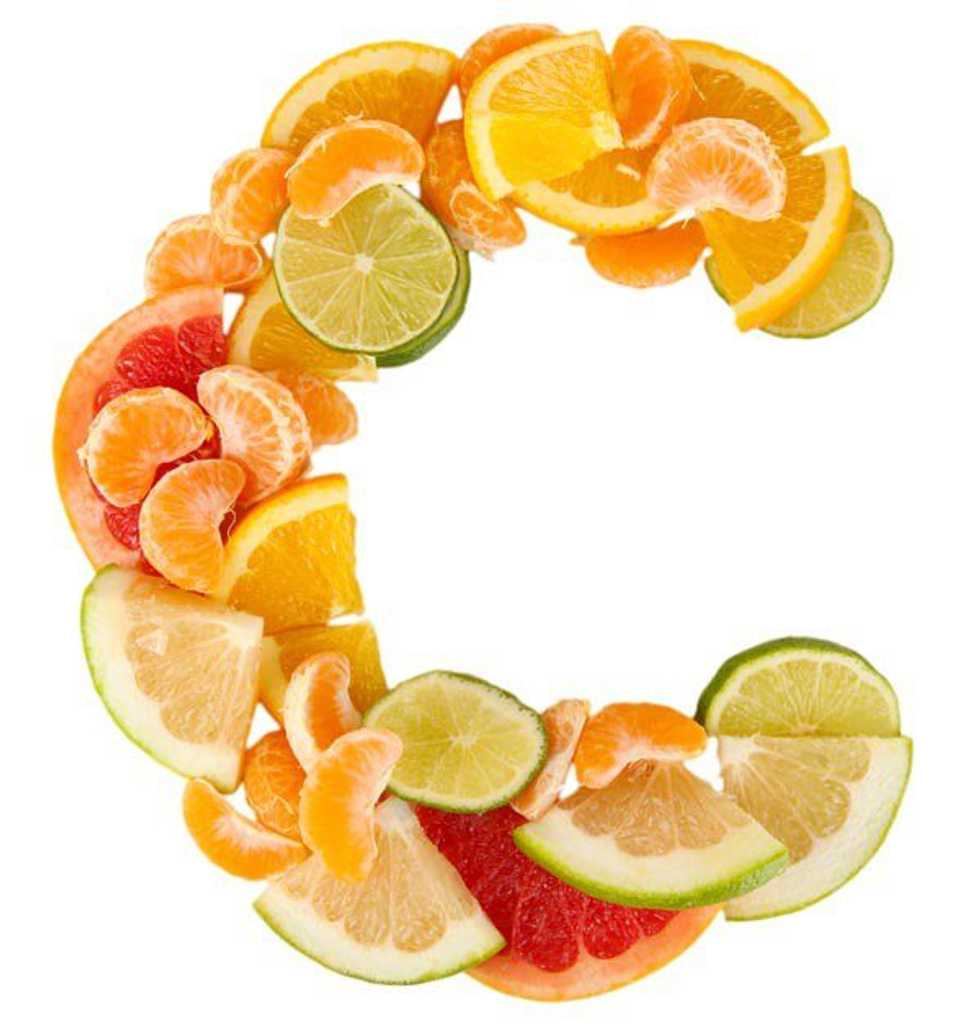
1. Vitamin C
Vitamin C has been thrown through the ringer of tests to see its benefits. Did you know that a study was done to see if Vitamin C could help bring cancer patients into remission? Even more shocking is that Vitamin C was able to bring patients into remission; however, Vitamin C treatments are not common in the United States, nor commonly billable to insurance companies. For day-to-day use, Vitamin C is helpful in boosting your immune system and preventing scurvy, but the possibilities are nearly endless.
2. Vitamin B3 (or Niacin)
Vitamin B3 is commonly known to lower cholesterol and reduce the risk of a heart attack; however, Vitamin B3 also has a hidden function. Vitamin B3 is known to enhance the effects of antidepressants, such as Prozac. B3 is also being studied to see if it can function on its own as a natural antidepressant.
3. Ginkgo Biloba
This one may peak the interest of those college students who are starting to think that their partying habits may affect, or are already affecting, their memory or ability to process information. This vitamin works with the synapses of your brain to allow for smoother transitions; meaning it keeps your brain functioning just like it did before all those bad decisions you made Friday night... and Saturday night... possibly Thursday night too.
Vitamins are a back burner thought for a large portion of our culture. They present a great number of benefits to us and some, like these and many others, are showing the potential to save a ton of money on the treatment of diseases. Vitamins are less harmful to your body than prescription pills, and you don't need a doctor's visit to get them. Why isn't everyone taking them?
Note: Before starting any supplements regimen, it’s best to consult a doctor or dietitian.