
It was a typical Thursday night at school as I struggled to do my Spanish assignment for the night. I turned to my parents for help with a specific grammar question. The question stated, “If there are 10 women in the room and 1 male,” which form do you use: nostros or nostras? It seemed obvious to me that it should be nostras, the female form, because the women outnumbered the males. However, that was not the case. My parents told me we always used the male dominant form, nostros, when describing a group of mixed people. It was just a rule of thumb and no other question to do.
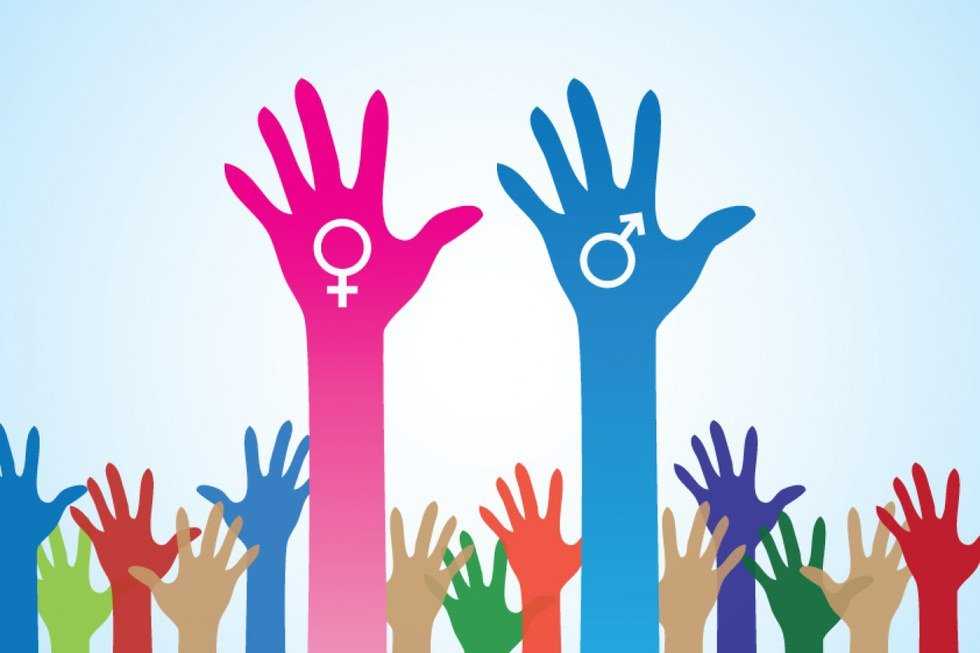
Language is a male discourse”, said Gloria Anzaldua. That moment and almost every other occassional as a Latina women unfortunately holds her statement to be true. Without realizing it, the Spanish language was strippping women of their femininity. It seems like such a small scale example, however, this begins a snowball effect of the machismo within the language.
“Calladita mas bonita,” (You’re prettier when you're quiet) is just one of the several gendered sayings directed toward solely women. Unfortunately, I’ve heard this said on many occasions, sometimes to me or other family members. Because I’ve heard this so often, I didn’t even realize how problematic it was for many reasons. One, this term is only directed towards women because it's written in the feminine form and therefore can't be told to men. The translation, “You’re prettier when you're quiet,” implies a women is appreciated more for her beauty when she is quiet. This encourages the silencing of women and degrading them as just a pretty face. The social norm in Hispanic culture is highlighted through this saying. Women of all age are expected to listen to their husband or father, in all instances. This part of Hispanic culture remains unacknowledged, but should not be ignored.
El machismo exists in many other obvious forms within the household. As a child, I was never allowed to leave the table before my father and uncle got up. I didn’t find this oppressing, but rather a show of respect, until I saw my male cousins be excused before I was. Being 10 years old and ready to jump to my defense, I exclaimed, “But why couldn’t I get up?” I was always told to hush and that was the end of it. Just like every other Latina growing up, I was not given a solid answer to why I wasn’t given the same treatment as males.
The first step into overcoming machismo within the household is identifying it exists. Sometimes we fail to recognize the inherent sexist comments that are passed around the dinner table. Although it might be risky to speak up against an elder, it is our job to point out an uncle's or grandfather's sexist comment and make a correction. I myself realize how scary and difficult that might be, especially since we’re always told to respect our elders. If no one speaks up, the problem will only continue to exist within the community.
“Language is a male discourse.” We as females have the power to take it back.