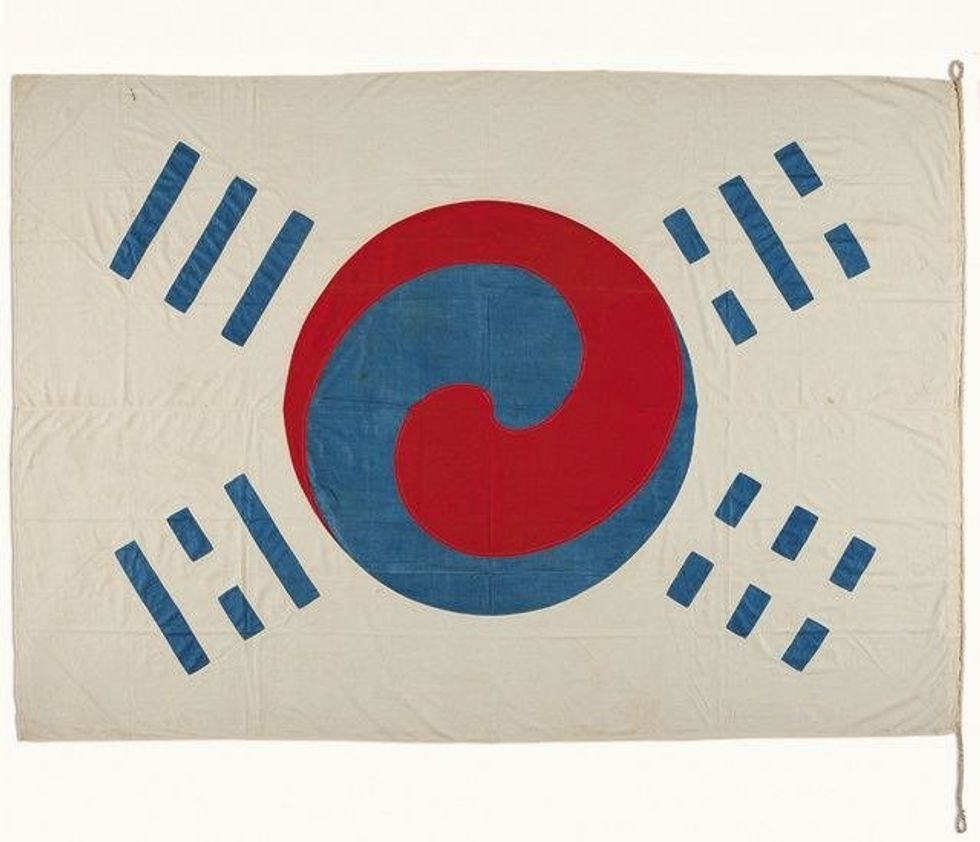
Occasionally, people have asked me whether I was from South Korea or North Korea. Most likely, they would have assumed that I was from South Korea knowing unfortunate circumstances and oppression in the North, but I suppose curious people inquire seemingly obvious facts. My answer, of course, has been the South. But it can be more complicated than that, so I would sometimes make an extended lecture on my heritage to close friends. Certainly, most Korean people in the United States, including immigrants, international students and workers used to be or currently are South Korean nationals. However, many of them have grandparents who came from the North before or during Korean War.
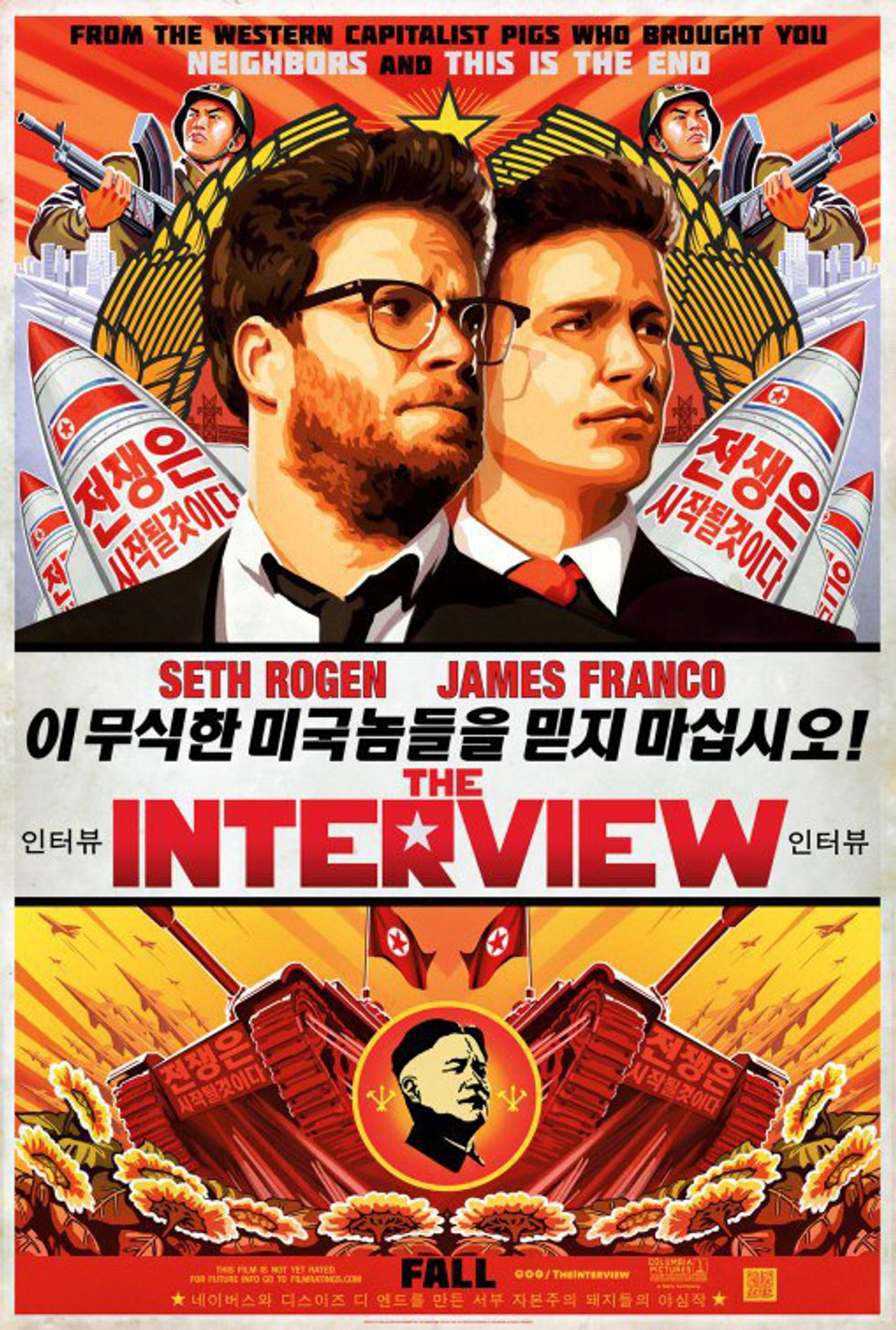
This is because the two Koreas, merely known as crazy to some by the movie "Interview," used to be one nation only 68 years ago. People who would remember this era quite vividly are our grandparents’ age (around 75 to 90), and it is quite wonderful and unimaginably dreadful whenever I listen to my grandfather’s numerously repeated stories and old tales about pre-war Korea.
One of which is that when he was 18, he felt betrayed and mistreated because of the North Korean regime that confiscated the brick-walled house he had arduously built in years. One day, he felt particularly irritated while he was plowing the field. Wearing his farmer’s cloth, he walked to a mountain about 100 miles north from his hometown, treading along a railroad track that extended all the way from the Northern tip to the Southern tip of Korea. On the way back, he (secretly?) slept in a watchman’s house situated on a high place until he saw an armed soldier riding on a horse strolling on the ground level. (He often tells this part with fright.) Thankfully, the soldier didn’t notice my grandfather’s presence in the house, and he safely returned home.
My grandfather was born in 1929, and he lived in the Northern part of Korea until July 1950 when he was dragged into the battlefront in the South. When he was 18, which is in 1947, people would walk across the border between the North and South without much interruption. Until 1948, when the free election was held separately in the South, establishing the “only” legitimate government in Seoul, many travels and personal exchanges were frequently done between families and friends. In the following year, Kim Il Sung set up a communist regime in the North, also claiming Seoul to be its capital. Subsequently, the borders were strictly protected and people who would walk across the 38th parallel (now DMZ) to see their families and friends were suddenly cut off from their beloved ones. Perhaps, some might not have even imagined the happiness brought by the gift of independence in 1945 to be shattered so quickly by the division of their country.
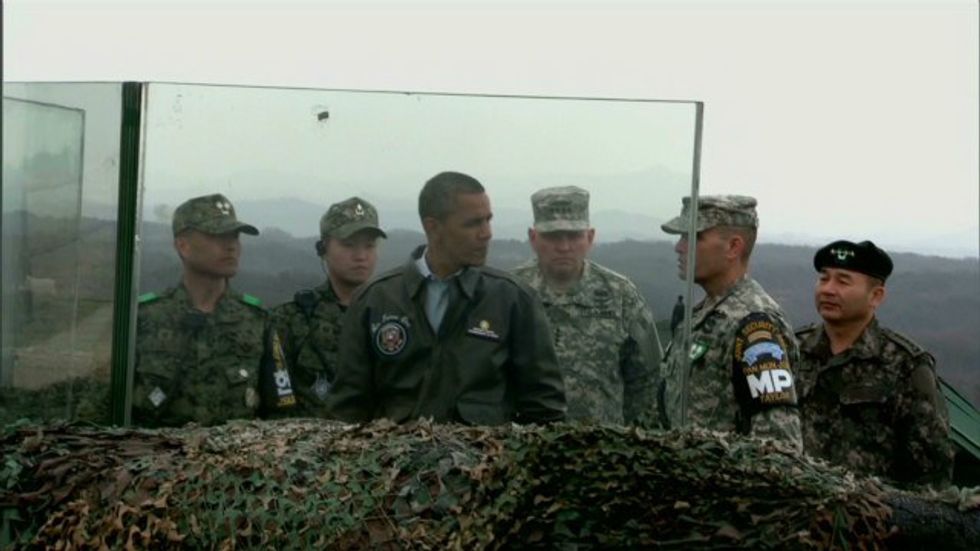 President Obama during his visit to Korean DMZ in 2013.
As the generation who remembers the “one” Korea is gradually passing away of old age, our generation will have to rely upon more indirect source of knowledge such as our parents, archives and books, to access these memories (same burden lies on the shoulders of Americans and people from other countries as well). As I was going through some Wikipedia articles last night, I stumbled upon an interesting figure from the late 19th century: Horace N. Allen, an American diplomat, medical doctor and Presbyterian missionary sent to Korea in 1884, before Korea had yet become Japan’s protectorate.
In December 1884, a group of young, modernly educated Koreans attempted a coup d'etat to overthrow the corrupted monarchy. During the process, a relative of the royal family, whose name, Min Young Yik, was stabbed and fatally injured. A German diplomat, who had already been in Korea for a few years, urgently requested Allen’s medical aid since Allen was a doctor. Allen saved Min’s life and Min would become an important political figure in Korea for the next decade. (Although, Allen’s journal entries reveal his hilarious relationship with Min: “Today, I was quite annoyed with Min…He saw my shoes and asked me to give them to him. So, I wiped them as clean as a new pair and gave them to him. Then he complained that it was too big and asked me to buy a new one for him. Foolishly, Min was asking me to buy a pair of shoes for him with the money that I received from the Korean king for healing Min.”)

Traditional Korean shoes called "Gomooshin" or rubbershoe. They were popular among our grandparents' generation. Perhaps, these are the type of shoes that Allen and Min were quarreling over.
Consequently, the king of Korea financially supported Allen to build the first modern hospital and medical school in Korea, which would later become Severance hospital and Yonsei University in Seoul. As the U.S. diplomat who helped establish the first formal relations between the United States and Korea, Allen spoke against non-interventionism prevalent in the United States foreign policy, which was an underlying principle behind the Taft-Katsura memorandum in 1905. The Taft-Katsura memorandum was an unrevealed verbal agreement between the United States secretary of War and Japanese prime minister that accelerated colonization of Korea.
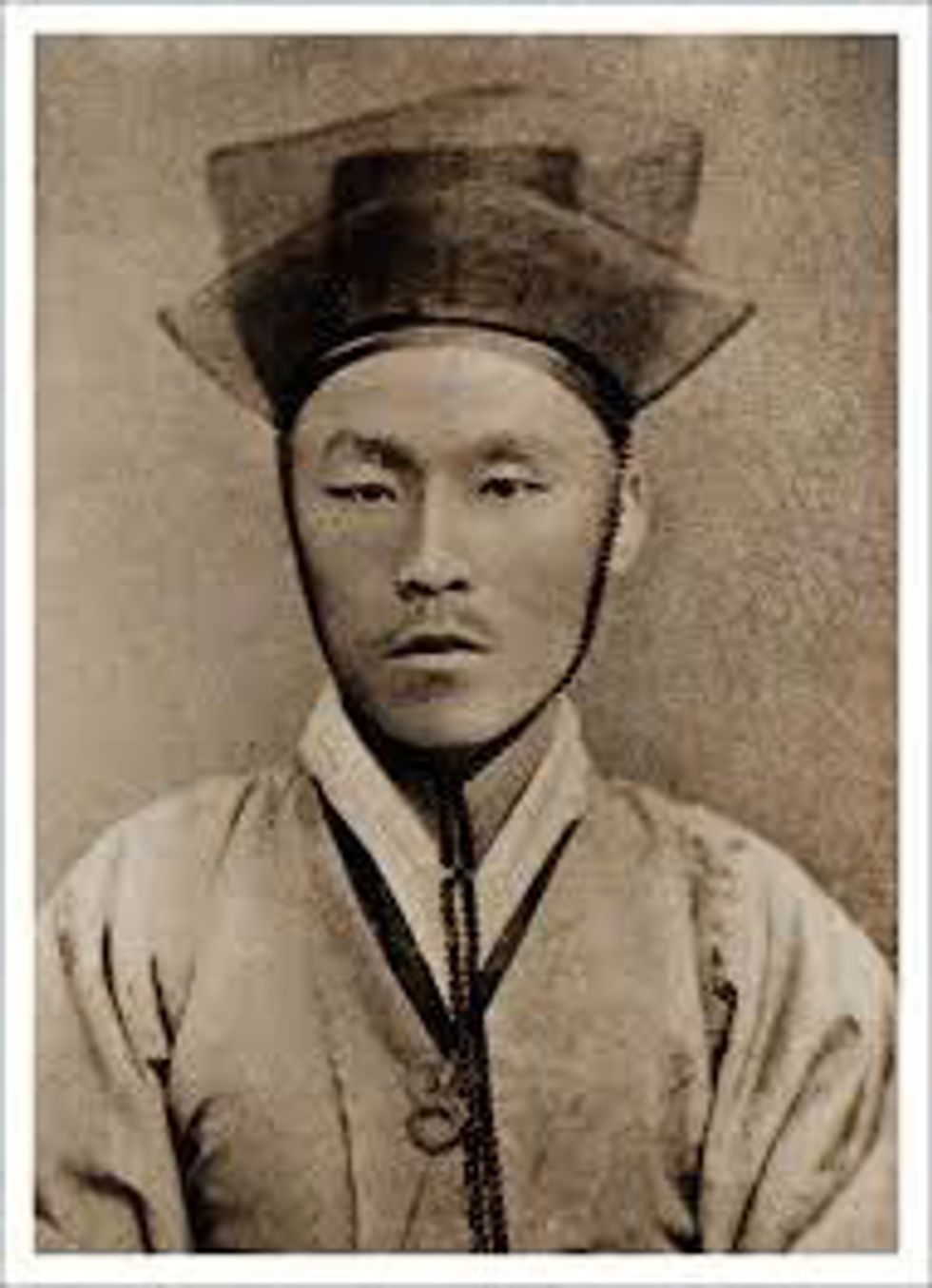
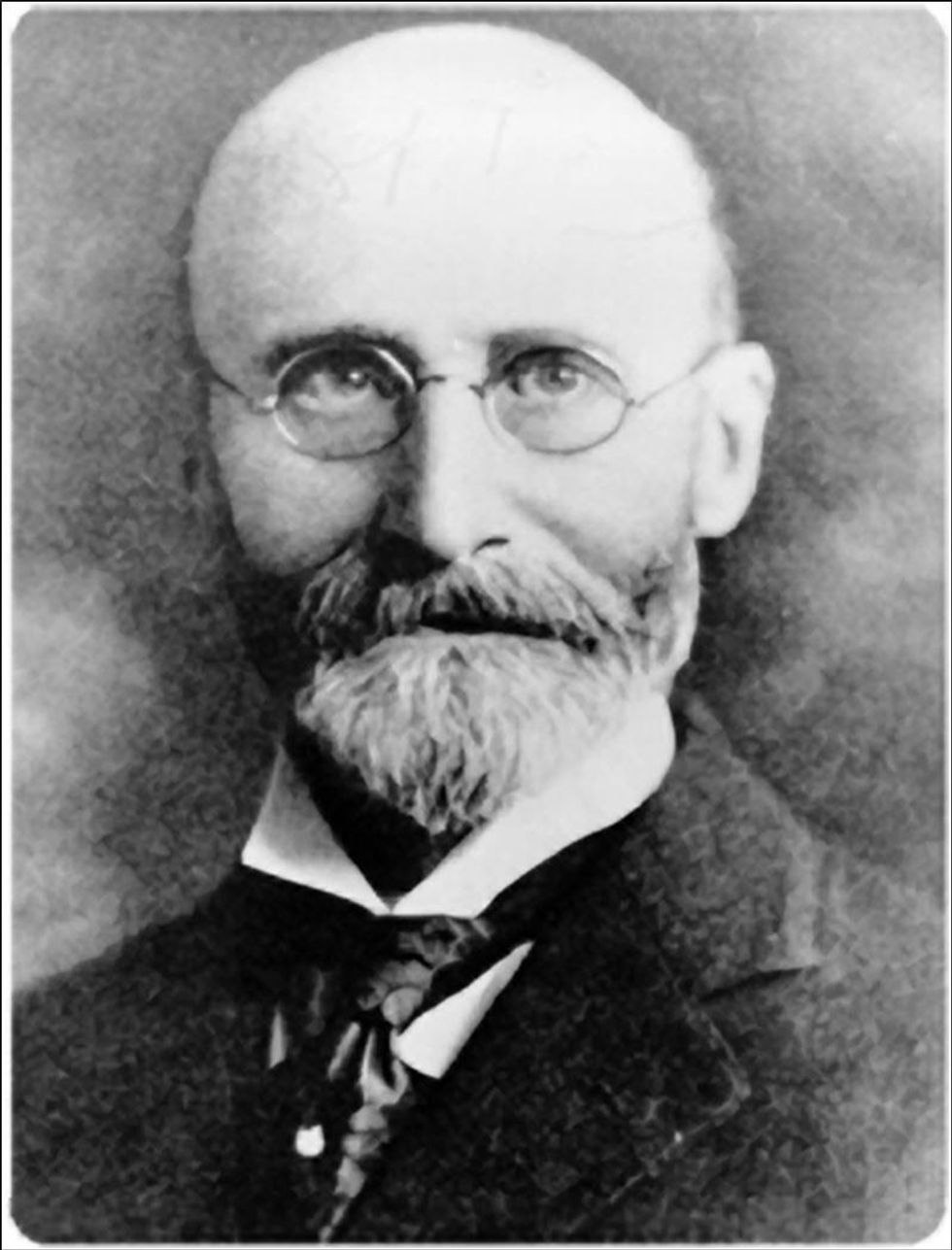
Left is Min. Right is Allen.
Allen also wrote a book called "Korean Tales" after he was called back to the United States in 1905. There, he vividly and extensively describes Korean folk traditions and well-preserved nature in late 19th century. Although Allen was a Presbyterian missionary sent to spread the gospel, it seems that he was frequently pleased by the eccentric but charming scenes on the streets of Seoul. Here are some excerpts that earnestly describe the scenes so lovely and calming:
“It is pleasant, however, to see the little groups of the working class … if tobacco was ever a blessing to any people it is to the lower classes in Korea ... No one could see the solid enjoyment taken by a Korean coolie with his pipe without blessing the weed.”
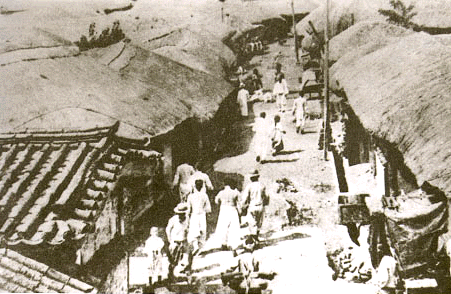
Streets of Myeongdong around 1900. Myeongdong is now one of the central business districts in Seoul.
The night of Seoul (now the world’s major metropolitan noisy city) was quiet and full of music 100 years ago:
“As the fire burn low, a deep stillness settles over the profoundly dark city … Some weird music, which has been likened to that of Scotch bagpipes, is heard from the direction of the city gates … two persons are wide-awake and industriously engaged, while, one is comforted with the thought that the poor things are enjoying a bit of gossip, or welcoming a friend who is more fortunate in having finished her ironing in time to enjoy the freedom of the night.”
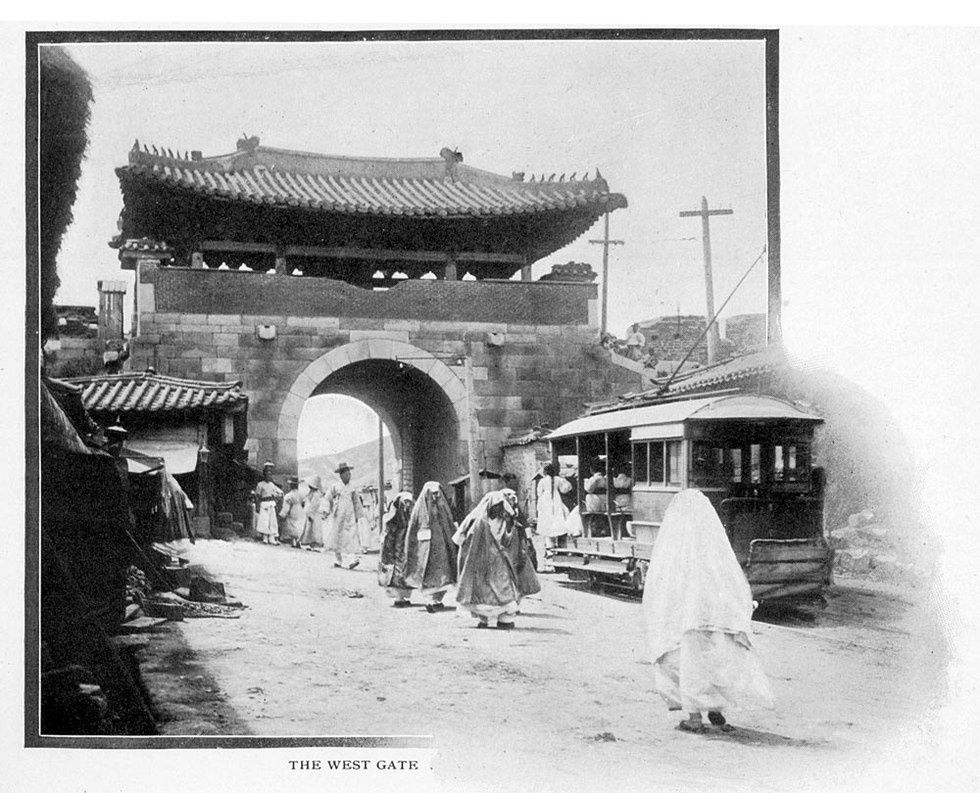
The West Gate of Seoul around 1900.
Lastly, his comments on local opinions of commonly seen birds in Korea and the United States are excruciatingly funny and they instantly break out nostalgia:
“The coming and going of the birds is looked for and the peculiarities and music of each are known. As a rule, they are named in accordance with the notes they utter; the pigeon is pe-dul-key; the crow the kaw-mah-gue; the swallow the chap-pie, and so on … One bird — I think it is the oriole — is associated with a pretty legend to the effect that, once upon a time, one of the numerous ladies at court had a love affair with one of the palace officials — a Mr. Kim. It was discovered, and the poor thing lost her life. Her spirit could not be killed, however, and unappeased, it entered this bird, in which form she returned to the palace and sang, 'Kim-pul-lah-go,' then receiving no response, she would mournfully entreat — 'Kim-poh-go-sip-so.' Now in the language of Korea, 'Kim-pul-lah-go' means 'call Kim' or 'tell Kim to come,' and 'Kim poh go sip so' means 'I want to see Kim.'"
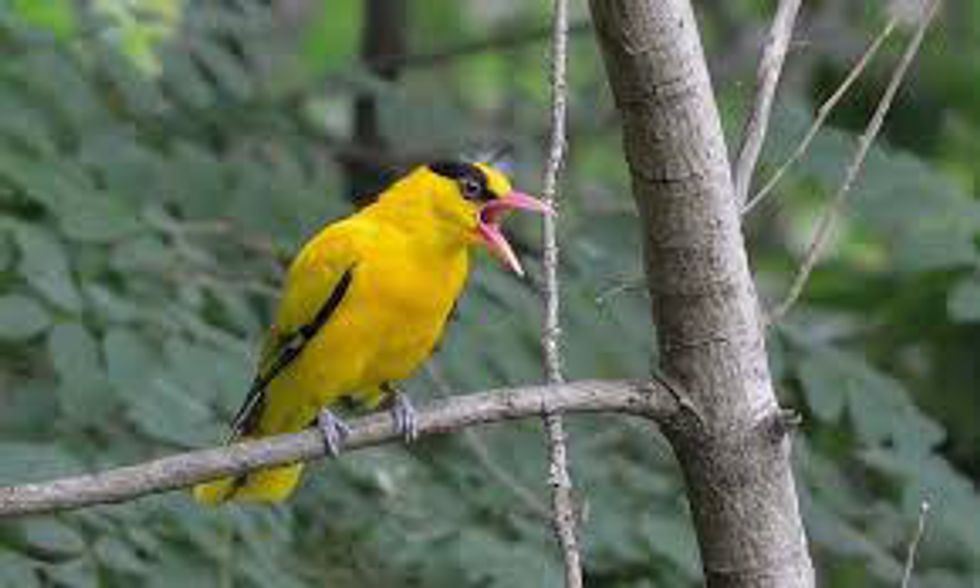
An Oriole or "Ggueggori"
History of the far-east Asian countries, especially that of Korea seems to be not a well-familiarized subject of discussion even among well-educated college-bound students. I know my brief introduction to the history of Korea and Horace Allen was not the most informative one. But hopefully it sparked your interest on this fascinating and hidden topic.
If you want to read more articles about history of Korea, Horace Allen or his books, I recommend Wikipedia and the links that are listed in the reference.
"Korean Tales" by Horace Newton Allen.
Horace Newton Allen Wikipedia page.
If you can read Korean, go ahead.
About the coup-de-tat in 1884.
Severance Hospital Wikipedia page.
U.S. non-interventionism.
U.S. relations with North Korea.