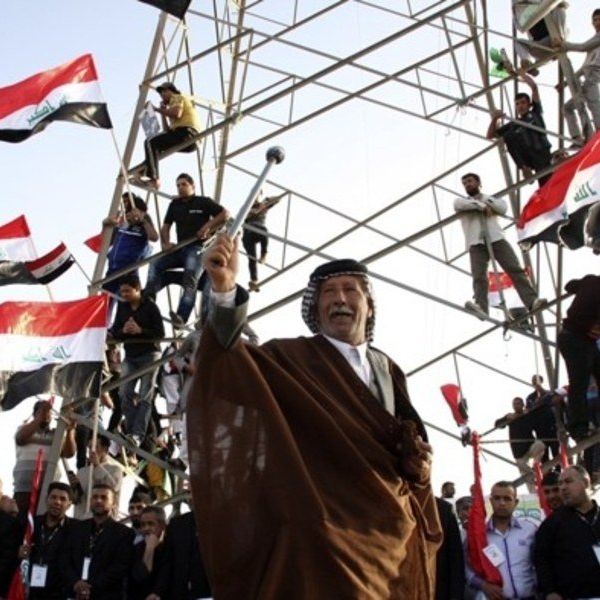
"Grexit" is a term alluding to the exit of Greece from the European Union. This hypothetical term was given validity after today's referendum vote. Today, Greece, as a whole, voted down the terms put forth by the European Union (EU), European Central Bank (ECB), and the International Monetary Fund (IMF). The referendum was the first since the end of the Greek monarchy. Protesters took to the streets to convince Greeks to stand up for themselves and tell the rest of Europe that they wouldn't accept the terms the EU, ECB and the IMF.
Greece has already opted to skip the last payment of the $1.8 billion that it owes the IMF, and it owes the ECB an additional 3 billions euros in 15 days. Recently a crowdfunding campaign was started to raise money for a bailout for Greece, but with little over a day left to raise the $1.8 billion, the campaign has barely raised 10 percent of the funds needed.
(Via https://www.indiegogo.com/greek-bailout-fund.html#...)
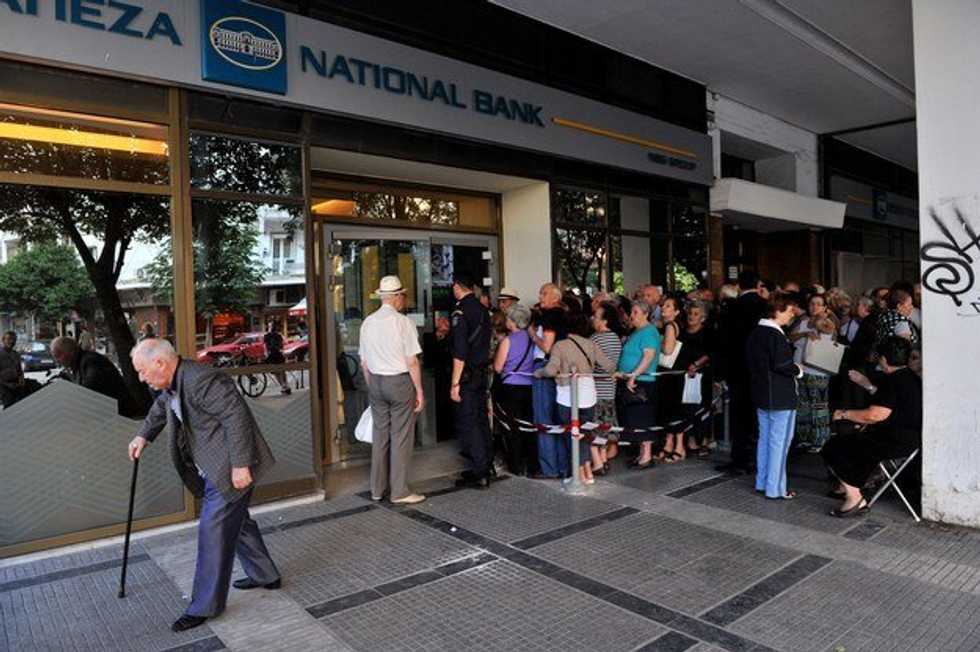
The lack of faith in Greece's economy and the instability of the Eurozone has already led to a drop in global stocks, with Nasdaq down by close to four points and the Dow down a whopping nearly 28 points. Just the fear of a breakdown of Greece's economy has led global economies to take a dip; there is no way to be sure of the effect if Greece actually does leave the European Union.
With the denial of these terms, there are two outcomes for Greece now that the proposal is off the table. The first is the Greeks, after a bit of convincing, meet back at the negotiating table to discuss a counter proposal with fewer sanctions, though German Chancellor Angela Merkel has acknowledged that this was off the table even before the vote today. The second future would be a "Grexit," and Greece would be the first the first country to leave the Eurozone.
Speculation has run rampant over the looming future of Greece and the Eurozone. The Guardian is just one of those predicting a catastrophic future.
"Overnight, banks would become insolvent, the economy’s productivity would drop precipitously and hyperinflation would explode as the reintroduced drachma devalued overnight. Some suggest social unrest would likely erupt with borders being closed to stop hard currency fleeing. The price of imports would skyrocket.
Political turmoil could follow and the far left and far right – both of which have endorsed the no vote – would feel strengthened. Leftwingers in Syriza, trade unions and workers’ associations, backed by the anti-capitalist Antarsya, have long advocated a split from the EU and the write-off of Greece’s monumental debt."
(Via http://www.theguardian.com/world/2015/jul/05/greek...)
After today's 61 percent "no" vote, the concern of bankruptcy has garnered more momentum, but Greece still remains hopeful. This was not a surprise to most who follow Greek politics: earlier this year, in January, the people successfully elected Alexis Tsirpas, leader of left-wing Syriza coaltion, as their new prime minister, after he campaigned hard on the premise of refusing the bailout with the proposed stipulations.
Greece's future hangs in the balance as the world watches how it unfolds. Only time will tell what the future holds.