

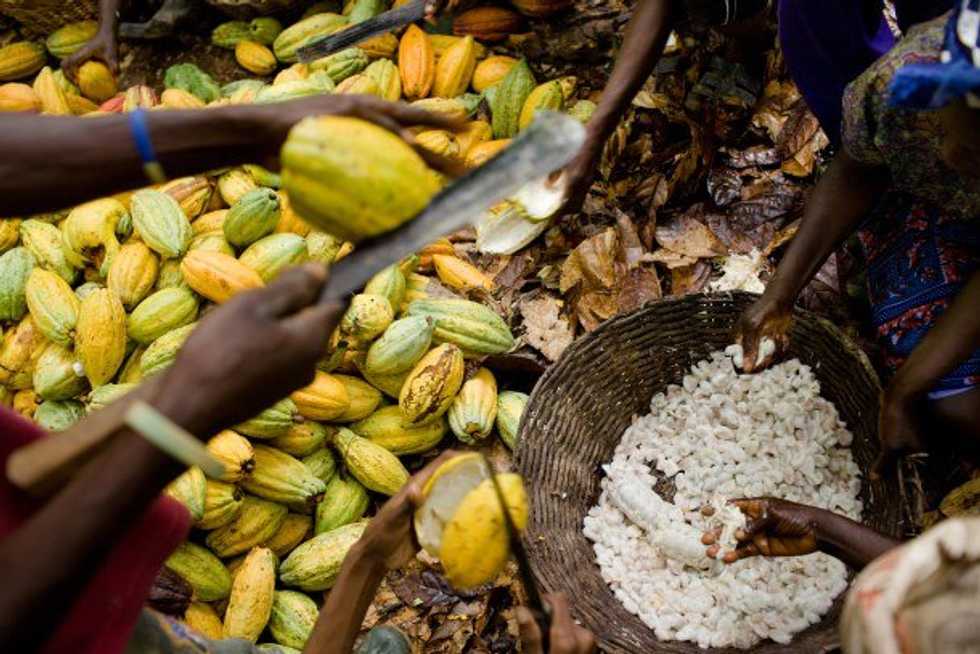
How often do we stop and think about how our choices impact others? Sometimes, it is easy to forget how our lives are linked to people halfway across the world and that they feel the effect of our decisions on an acute level. The harvest of products such as chocolate, cotton, coffee and tea have been notoriously linked with human rights violations and the use of slave labor. Instead of writing a long article about the evils of chocolate, I decided to create a five-step guide to becoming a more aware consumer.
1. Understanding The Issue
Lots of people are vaguely aware of the fact that cocoa is often sourced unethically, but few people know the severity of these offenses. The question of cocoa farming is a complex one because it involves several layers, each of which affect a different group of people. Part of the issue is that chocolate companies want to buy raw cocoa cheaply and in bulk, which means that if farmers want to stay in business, they need to keep their prices competitive. According to The Food Empowerment Project, most cocoa farmers make less than $2 per day, which not only keeps them below the poverty line but also forces them to turn to child labor or slave labor in order to make a profit. This is a very simplified version of the issue, and I would encourage you to do independent research as well!
2. Research The Companies
After having built an understanding of the issue, take some time to learn about which chocolate companies source cocoa ethically and which ones don’t. Unfortunately, some of the best known name brands are also the biggest offenders. Try to stay away from Nestle, Hershey, Kraft and Godiva. Fair Trade USA has a list that they work to update regularly.
3. Reevaluate Your Needs
It’s not realistic to ask everyone to stop eating chocolate, but given the severity of the problem, it is realistic to ask people to reevaluate their chocolate consumption habits. Fair Trade chocolate tends to be more expensive, but that is because some of the profits make it back to the workers picking the cocoa. Maybe instead of buying two bars of Hershey’s chocolate, buy one bar of chocolate fairly traded. It’s little steps like these that help create a larger demand for fairly traded cocoa.
4. Use Your Dollar To Vote
Sometimes tackling an issue like slave labor on cocoa farms can seem overwhelming and futile. Does your dollar really make a difference? The answer is yes, your dollar does make a difference. In the past few years, companies like Nestle and Hershey have been criticized for their cocoa farming practices and are now more aware that this is an issue that upsets their consumers. If we continue to put pressure on them by choosing fairly traded options, the message will only get louder.
5. What’s Next?
If you’re looking for other ways to get involved with this issue, spreading the word is always a good place to start. Talking to friends and family about this issue can help make the ideas more personal. For more action-oriented options, take a look at The Food Empowerment Project or similar organizations that are focused specifically on ethically sourced food.
Most importantly, remember that your dollar counts and that you have the option to make a statement every time you make a purchase.