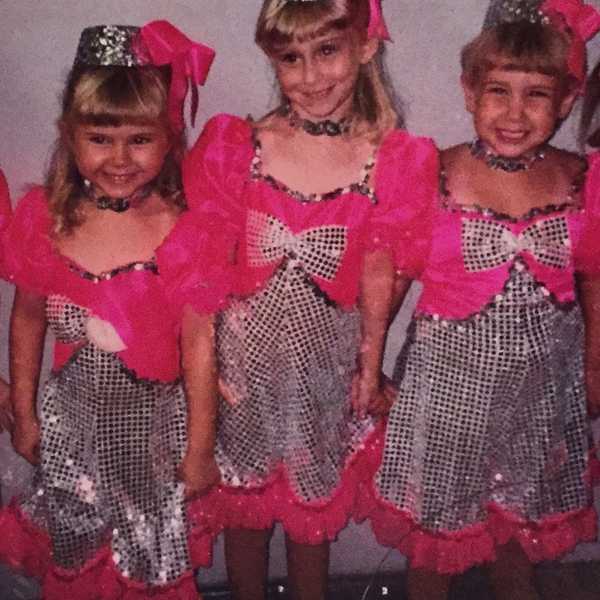
Being a “girly girl” was a stereotype that I avoided like the plague for much of my life. I didn’t want to be associated with the color pink, or skirts and dresses, or dolls, or anything that was considered “girly.” That was the persona that I took on—I’d decided that after the girly days of my childhood, once I reached the age of 10 I wanted nothing to do with the stereotypes that were associated with being a girl.
Which wasn’t really a wise decision on my part—because I didn’t actually hate these things. I didn’t actually hate the color pink, or skirts and dresses, or any of those “girly” things; I actually liked some of them. I’ve always been drawn to things that were pink, but I would lie and say I hated the color. The dresses category is the first section I browse when I’m online shopping, but I’d vowed to never wear them unless absolutely necessary.
I can’t exactly explain why I did this; maybe I thought that being associated with girly things made me a weaker person. Or maybe I believed that it would make me a “better” person by dissociating myself from these stereotypes. But at the same time, I didn’t want to be on the other end of the spectrum and become a tomboy. I didn’t play numerous sports, or wear boyish clothing, or allow myself to become that persona either (although this time it was because I honestly didn’t enjoy any of these things).
I’ve done this for most of my life. I really enjoyed pop-punk music, but that was associated with the "emo" kids, and I couldn’t be considered part of that crowd. I spoke out against different trends such as UGG boots and North Face jackets—everyone’s favorite brands—because otherwise I would just be following what everyone else was doing. I gave up listening to country music because there was a stereotype that went along with that, too. I avoided shopping at certain stores because I felt that it wasn’t “me.”
So what did I have left to define what was “me”? Not a whole lot.
I condemned interests and styles left and right, so that no one could try to fit me into a bubble that I didn’t want to be in. Being into fashion and makeup made you vain and meant you weren’t going to be successful in life. Being girly made you weaker, but being a tomboy made you weird. I couldn’t be a “hipster” or “punk” because those had negative connotations to them.
The only stereotype I allowed myself to fall under was “nerd”—because everyone says that the nerd is at least going places in life.
I’ve spent so much of my life placing myself into boxes and taking myself out of them, paying no attention to my real interests and likes. I cared so much about how others would view me, that I wasn’t allowing myself to explore who I really was.
It wasn’t until my senior year in high school that I began to realize that others' views of me didn’t matter and that liking one specific thing in one specific category did not define my entire lifestyle. I started allowing myself to like the things I’ve always liked: skirts, and punk-pop music, and makeup, and fashion. I actually like the color pink, and I followed the trends I was interested in. And I did it because I wanted to.
And I felt freer.
It’s been a learning process, and every day I’m still having to tell myself that my interests do not place me into a box that I am unable to escape. I’ve gone most of my life hiding my interests from others in fear of judgement, but now I’m learning to embrace them as parts of my individuality. Don’t let your friends' interests define you, don’t let stereotypes define you and force yourself into a false definition. So what if you like the color pink? Or playing rugby? Or that boy brand that everyone rags on? Your interests are what make you unique—so be proud of them.