
Two cups of sugar, five misogynists, three feminists, six lemons…
A recipe for women’s rights.
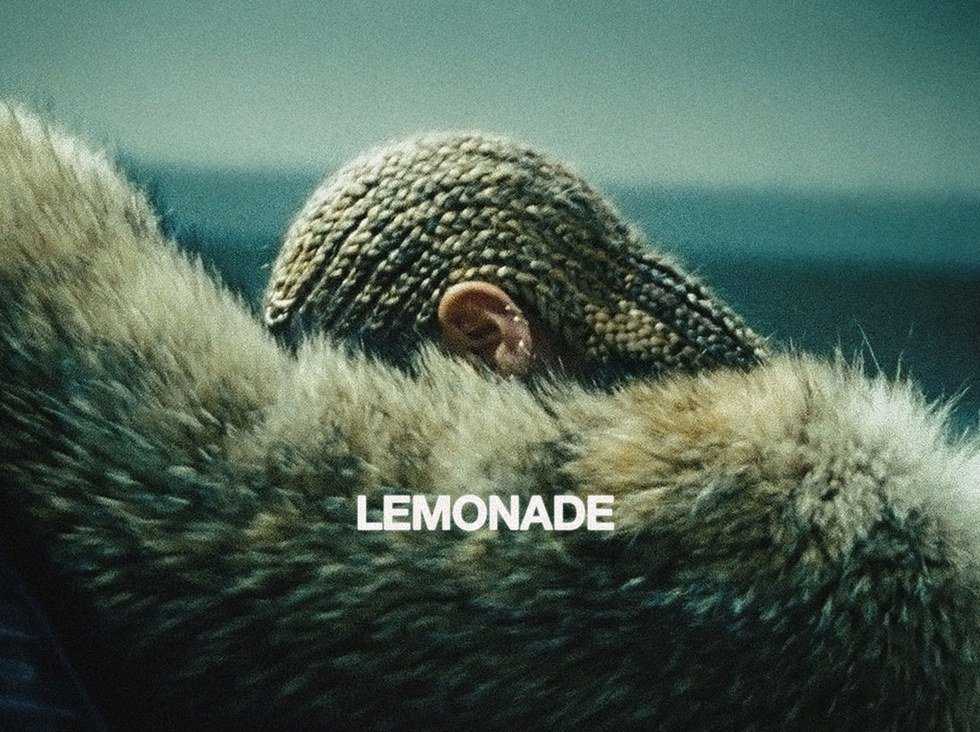
Recently, I got a chance to watch Beyoncé’s visual album, Lemonade. Although the album and video were released in April of this year, the message in which Beyoncé works to convey remains the same, and is a musically and artistically unique piece, which greatly glorifies Beyoncé and her position as a tremendous role model.
As a student attending The Fashion Institute of Technology in New York City, the importance of celebrating diversity and one’s differences, is extremely prevalent in this city that has arms wide open towards all cultures, races, genders, and sexes. That being said, this city is made up of the foibles in which our society has carried with it: sexism, racism, homophobia, etc. Lemonade, in its entirety, portrays an experience that speaks upon cultural appropriation, gender conformities, and racism, while creating an extremely expressive and crucial visual depiction. The album conveys the message that domestic violence does not make the female, but rather her strength does, and the skin she holds. Through her visual album, Beyoncé, with much eloquence and grace, illustrates that white privilege, straight privilege, and sex privileges do exist; making an enormous stride towards eradicating these notions in our society.
While there are speculations towards the album surrounding a personal relationship downfall, why must that be the case? Beyoncé, a strong feminist advocate, speaks towards a greater entity than that of a man: the injustice of a society encapsulated by a patriarchal system, resulting in a smothering of women of all races, especially African American women. After all, the rise of the woman is the rise of the nation! The title of the album, “Lemonade,” references a tremendous injustice faced by African American women and the negative cultural stigmas surrounding them, and females in general. By subtly utilizing the well-known ode, “When life gives you lemons, make lemonade,” the singer delves into a more meaningful ideal of women in abusive relationships, black women’s hardships in general, and the importance of the women in her life. The album communicates to a much larger audience than her previous albums, as it conveys a strong and relatable message towards the continuous oppression of women in today’s society.
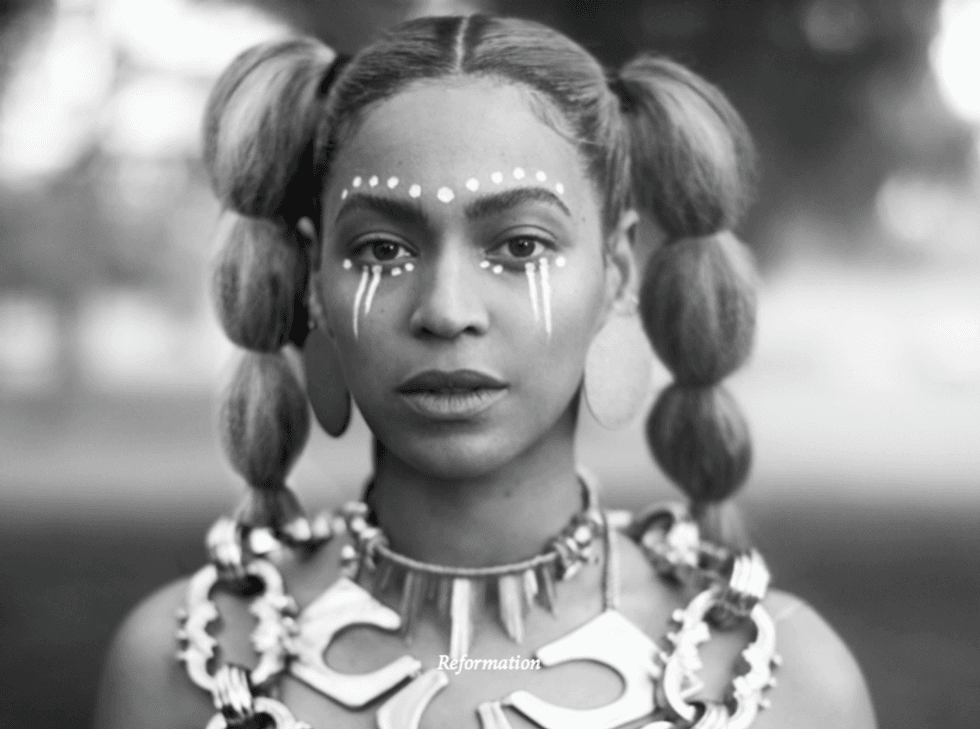
“you ain’t married to no average bitch boy”
Rule: Women can be strong and we don’t need to question it alongside the mention of a man! The album doesn’t have to be about Jay-Z. Not to say the male population isn’t great, I swear they can be pretty cool. In other words, it’s been about them for a couple hundred years, and now, Beyoncé’s turn. Beyoncé can be the amazing feminist heroine she is, whilst speaking towards the tremendous injustices faced by African American women today. By alluding to the troubles of an unfaithful husband, she may not be referencing personal experiences, but rather, the sad reality that our culture stems from relatively misogynous society.
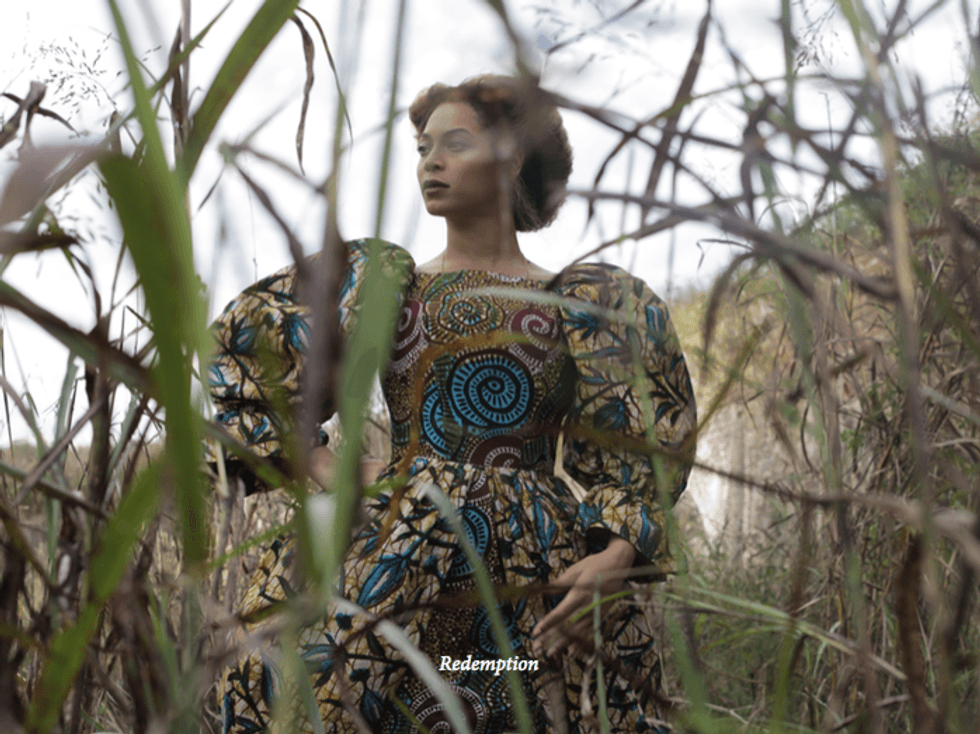
“tried to be softer, prettier, less, awake.”
Rule: Women are powerful! Beyoncé speaks on a cultural level, a personal level, and a physical level, addressing the many gender and race conformities of the world. The singer’s daughter, Blue Ivy, is fortunate enough to experience a mother capable in successfully tackling the notion that black women, who are at the “bottom of the food chain”, so to speak, must be seen for the power in which they possess. As said by Malcolm X, “The most neglected person in America is the black woman.” In “Hold Up,” the singer makes unfaithfulness look as if it benefits a woman, as she marches down the sidewalk wearing a powerfully striking yellow dress, four inched heels, and baseball bat in hand. Her assertiveness and charisma convey her strength, and suddenly the film illustrates this ideal woman; filled with the burdens and flaws of her environment, but able to carry herself in such an elegant way, such as to prove her independence and dominance over her own womanhood. Feminism!
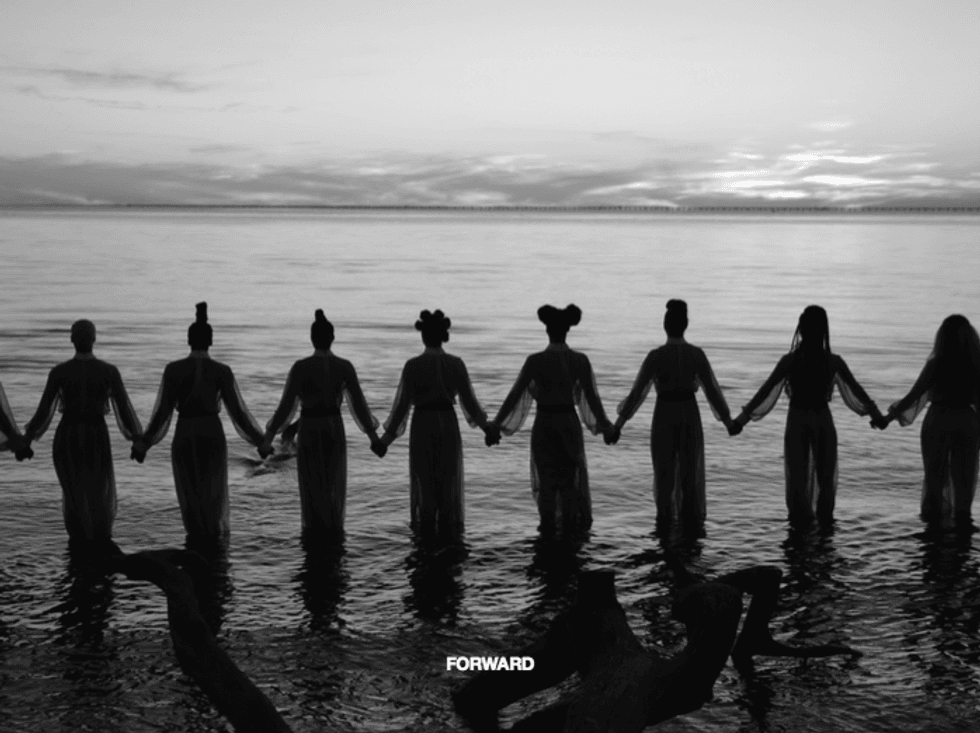
“I can wear her skin over mine, her hair over mine—her sternum my bedazzled cane. “
Rule: Buy me a bedazzled cane for my seventieth birthday. Becky’s hair, while probably easier to tame then Beyoncé’s, is representative of this terrible need for all women to compare themselves. A human body, built to with stain many of the horrors of the world, is often indicative of one’s own strengths, weaknesses and beauty. To strip one of their own beauty in order to justify a repulsive status quo; insisting that there is a racial hierarchy, beginning with white males, conveys an utter lack of appreciation for the differences in the world. She says, “We can pose for a photograph, all three of us. Immortalized. You and your perfect girl” when comparing herself to the younger, shinier girls that have more attention drawn to them, proving an emotion most females have experienced in their lives. The singer is able to develop the beauty of women, especially an oppressed minority, African American women, through her anger, sadness, and ironic uplifting tone towards the end. Becky’s hair, skin, etc. is reflective of a female society whose mindsets are often built surrounding subtle male dominance, while highlighting her own female dominance.
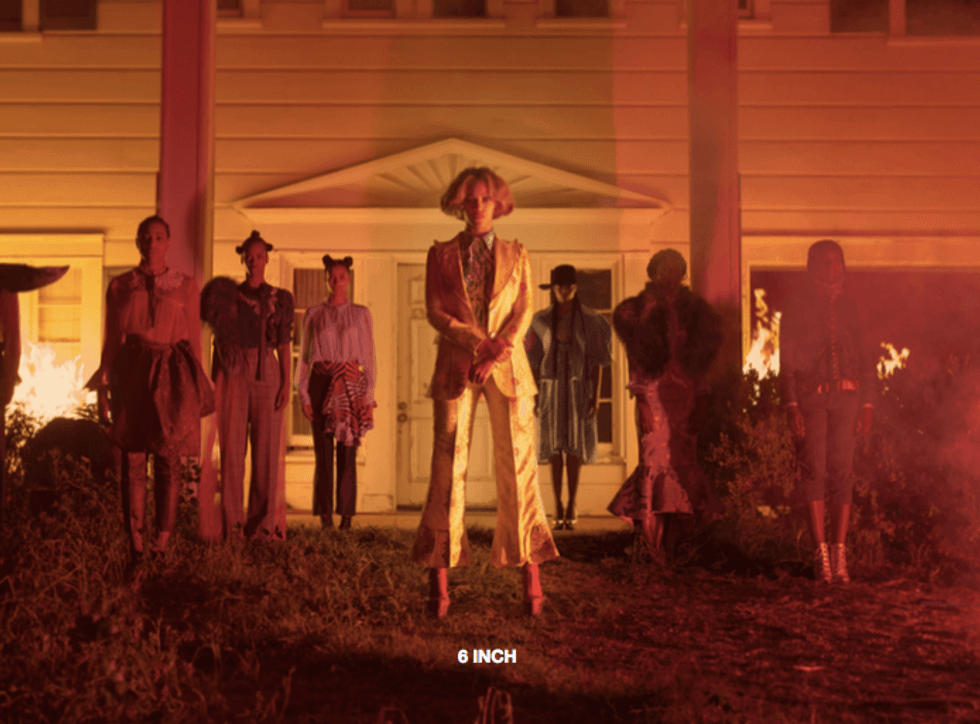
“came into this world, daddy’s little girl, daddy made a soldier out of me.”
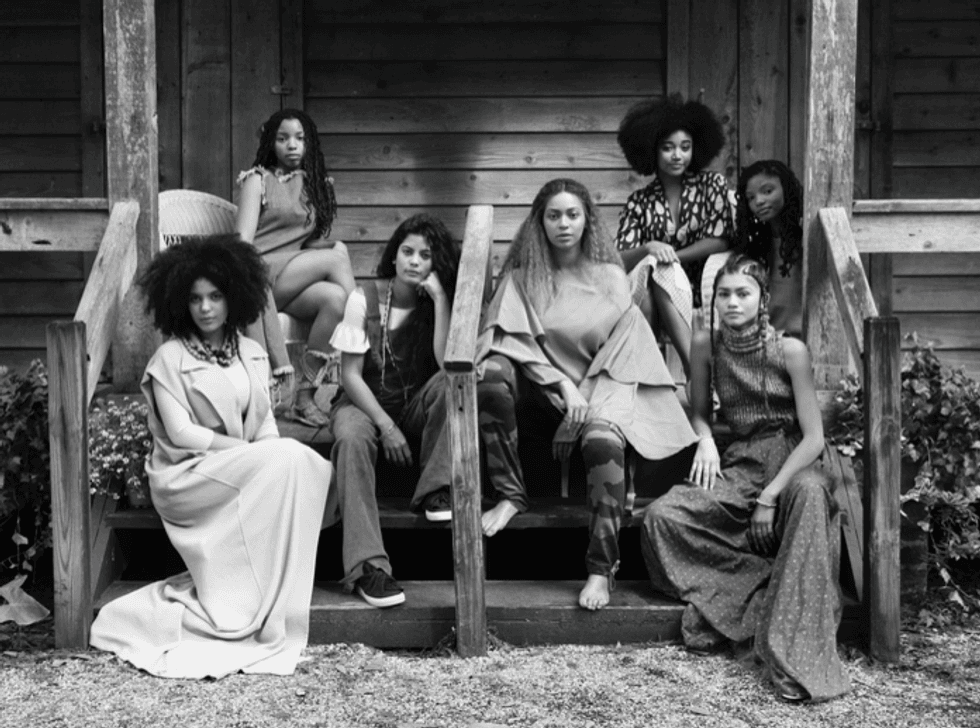
Lemonade is an extremely empowering, visually appealing and politically savvy piece that emphasizes powerful women and their strengths in our society. Beyoncé, while greatly seen for her beauty and voice, exudes such intelligence and power in the visual album, further shaping her role as an amazing feminist role-model. Lemonade speaks to a wider audience than any of Beyoncé’s previous albums ever have. She works to minimize gender and race inequalities, while strengthening black women’s empowerment, through including distinguished celebrities and activists, such as Venus Williams and Amandla Stenberg. Although certain speculations surround the visual album with marriage difficulties and the negativity of infidelity, why must we associate the quality of the album with this negative connotation? Beyoncé works to highlight women’s strength, while including the image of a male dictated society, only to counteract that with the empowering images of bad-ass African American females.