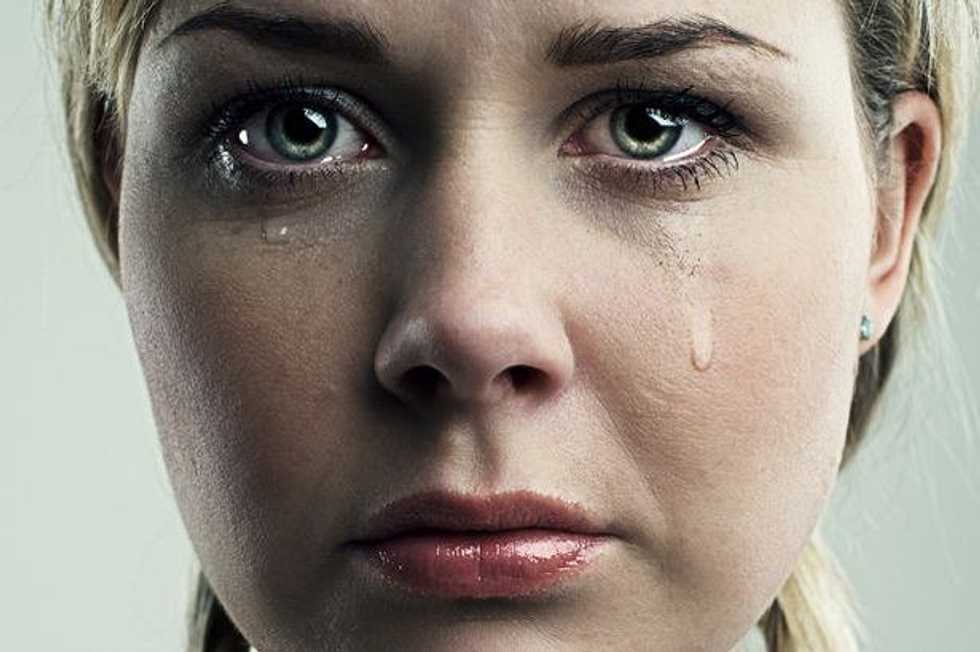
“They’re such an emotional drunk.”
It’s a phrase we’ve all heard and may have even commented about someone in passing. We’ve seen this person before and sometimes go out of our way to avoid their drunk crying sessions after a Thursday at the bar or a Saturday house party. Some might say they can’t handle their liquor and others say they’re just looking for attention. Whatever the case may be, it’s likely that the friend who spends their time crying over a tub of ice cream after a night out isn’t the first pick for a bar hopping buddy.
When Friday creeps up and our collegiate obligations dwindle, we fire up the group texts and round up our closest companions because it’s time for the weekend madness to begin. Typically, we’ve got an idea of who we plan to go out with for the night and, in many cases, who we’d like to steer clear of. Most often, the emotional drunk falls somewhere on the list of people we’d rather not see because we associate the tears with drama and who needs that? In the off chance that the emotional drunk is in our friend group, rendering them completely unavoidable, we just pray for a night free of waterworks.
As it turns out, despite all precautions taken, our inevitable encounter with the emotional drunk will ensue and we’re left with a few options; while walking away might be a bad look, who wants to sacrifice a night out? After all, we only get two nights of freedom per week.
As much as we’d love to tell this friend to clean up their act and take control of their emotions, we usually bear through the drunken heart-to-hearts, just hoping it ends soon so the dancing and pong can continue.
The reality is that it’s easy to blame our friends for their drunken outbursts, completely writing them off, but sometimes the more difficult option, self-reflection, can lead to an unimaginable amount of clarity.
Instead of instantly labeling this friend “a mess,” assuming they’re off the rails and unable to keep their emotions at bay, we should begin asking ourselves what we might have done to contribute to their liquor-induced tears.
In all actuality, these drunken tears are often rooted in mistrust and the emotional drunk really isn’t that unstable after all.
Chances are that we’ve failed to make this friend feel welcomed and accepted during the sober times spent together, and so, it’s our job to make sure that doesn’t keep happening.
Sure, we can’t hold ourselves accountable for, or try to fix, all the deep-rooted pain a friend feels, but understanding that they may only feel comfortable sharing their feelings when under the influence may give way to a healthier friendship.
So where do we start?
We start by lending a sober hand. As a friend, it’s our job to make the people in our lives feel comfortable unloading their upset whenever they see fit, rather than waiting until alcohol can excuse their words and mask their fears.
While friendship is a confusing and beautiful thing, it’s important not to forget that one of a friend’s biggest functions is “unofficial therapist.” Much like a therapist, we don’t tell our friends what to do or shame them for their mistakes. Instead, we sit, listen, and create an environment where boundaries can be broken and trust can be built.
It’s important that we recognize when it’s time to end our passive comfort and force ourselves to tell a friend that our trust is unbreakable.
Once we do this, we may begin to see that the friend we’ve labeled an “emotional drunk” just needed to be shown they have no reason to fear opening up to you.