
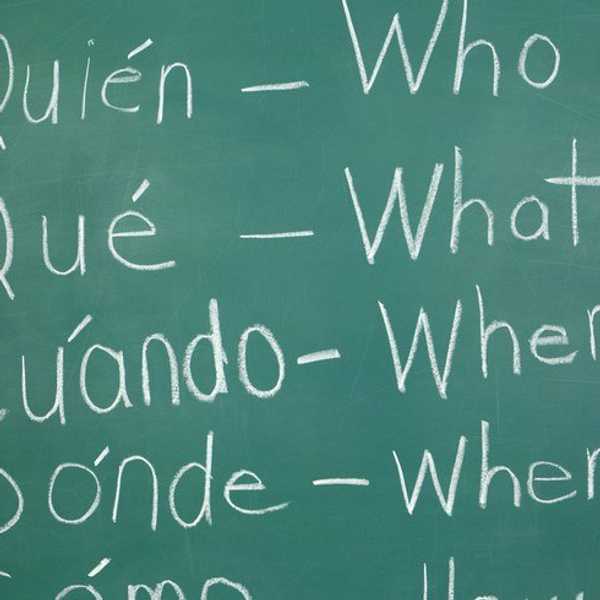

I haven't met a single person who has said they wouldn't want to learn another language. Another language means the ability to make new friends, understand a treasure trove of new content, and explore the world. Not only that, but it looks amazing on a resume.
Some parts of the world have learned this well. In Europe many countries enforce learning one or two languages. Similarly in South American countries like Argentina practically everyone speaks a little or a lot of English. So it's time for the United States and you, yes you, to get on board and learn another language.
Stop running away, it isn't that difficult. I'll explain a few tips on how to learn another language.

1. Start and keep going.
This is the hardest part that the majority of people don't get past. You have to start trying to learn the language if you ever want to learn it. After that it takes diligent practice. This doesn't mean learning the language is a once a week, 30 minute activity - instead it needs to be a regular part of your life. Every break you take will just set you back. In my high school when everyone left for the summer and didn't practice Spanish, after they returned their Spanish skills had dropped significantly. A few months may not seem like much, but even that small of break can lead to you losing a lot of progress. So go ahead and get started, then keep going.

2. Find friends.
No matter what language you are trying to learn there are most likely people in your area who you can meet up with to practice the language. Look for groups online like "Mundolingo" that provide opportunities for a diverse group of people to meet up and practice any type of language. If you can't find any groups in your town don't fret, there are lots of online sites like mylanguageexchance.com that offer communities where you can practice your skills. Speaking with a native speaker is one of the fastest ways to learn the intricacies of the language and have fun while doing so.

3. Use your resources.
There a a host of resources out there that are free or of little cost. Duolingo is an awesome app that will provide you with language practice quizzes, words sheets and exams. BBC Language is another robust and free program that provides a laundry list of tools and videos to help you learn a new language. Although if you are looking for a more expensive, but prized program, you can use programs like RosettaStone.

4. Practice practice practice.
The only real way to learn a language is to keep practicing. While this was already mentioned in the first point, it is worth mentioning again. The more time and energy you put into learning the language, the faster you will learn it. People who take a class in high school will learn slower then those who take intensive four hour daily courses during the summer. Plan out parts of your day to dedicate yourself to learning the language.

5. Visit a country.
This is it, the holy grail. This is the best way to cement your knowledge of the language. If every moment of your day is spent surrounded by the new language you will see yourself progress at an incredible speed. However, I personally believe that you should come to the country with a decent grasp on the language so you have a starting basis. If you only know a couple words of the language, being immersed in it will not be sufficient alone to learn the language.
Learning a language can open up the world for you. It isn't easy, but it is absolutely worth it.