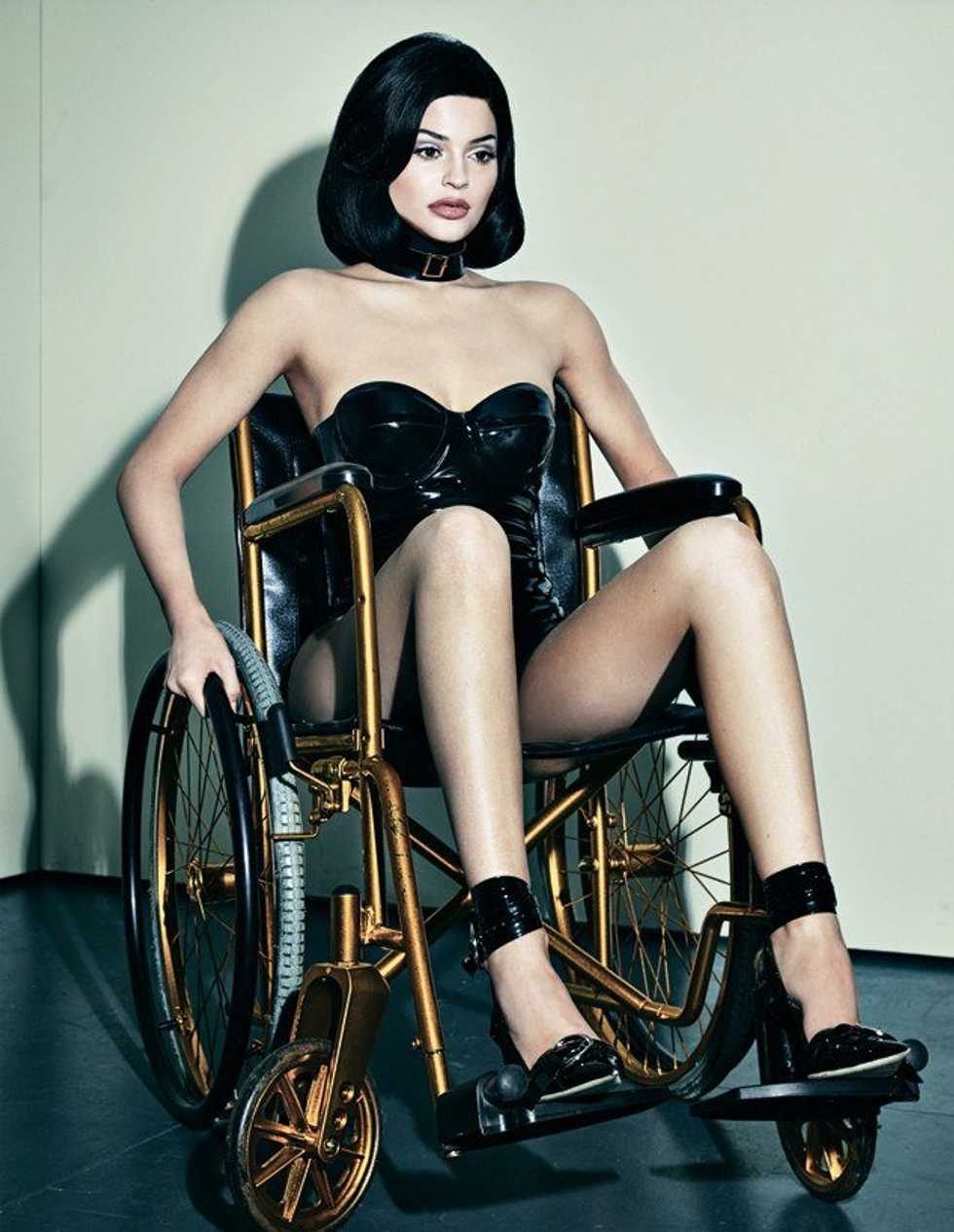
Ableism: Prejudice or discrimination against persons with disabilities. The word that Kylie Jenner, her photographer, and the creative team at Interview Magazine did not think about while taking pictures of Jenner posing in a wheelchair.
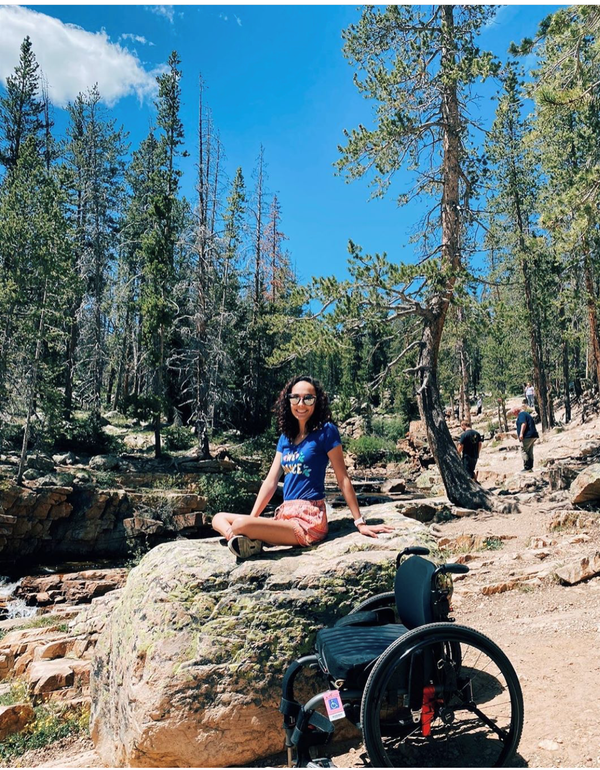
The front cover of Interview’s December issue features 18-year-old Kylie Jenner in a sexy black corset, and a perfectly airbrushed face while sitting in a "pimped out" wheelchair. The picture has received backlash, including articles written by women who actually use a wheelchair. In her MTV news article Ophelia Brown wrote “There you were, on the cover of a magazine being published to a country that absolutely adores you. Here I was, completely invisible.” Similarly, Erin Tatum, a woman also in a wheelchair due to cerebral-palsy also commented in a Washington Post article. “It’s blatant sexualization of physical limitation, which is ironic because in the real world if you have any physical limitations or have a disability, that seems to automatically forfeit your right to sexuality,” Many upset with the cover realize that Kylie Jenner has the opportunity to make something that Americans struggle with sexy, while many are overlooked in society. If she got tired of sitting down during the shoot, Jenner could have just stood up, which is a privilege in and of itself. Then again, privilege is far from irregular for the Jenner girls, or their Kardashian sisters.
A connection can be drawn between the blackface parties that gained popularity on college campuses across the nation. Much like being a person with a disability, being black is not something one has the ability to switch on and off. If African Americans could “turn off” their blackness to dodge oppression, they would have certainly taken the opportunity centuries ago. The conclusion is this: it is inappropriate to glamorize anything you don’t have to deal with 100 percent of the time, including enduring both its benefits and struggles.
Many efforts against ableism have been waged in America. Some include a demand to review infrastructures to ensure that they are accessible for the blind and folks who use wheelchairs, like at Georgetown University. Other organizations such as Autism Speaks advocate for those who are mentally handicapped, while others raise money for handicapped vans.
All in all, many find it bizarre that Interview Magazine did not think the pictures of Jenner would become controversial. Ophelia Brown further explains in the article that “My wheelchair is not a limitation — it is my wings. It lets me go to school, go out with friends and live life like a “normal person.” Many people with disabilities do not make magazine covers, yet their ability to ensure life obstacles do not define who they are, is far more beautiful than what a picture could capture.