



In the United States, we are granted many rights, some of which describe the ways in which interactions with police may legally take place. Unfortunately, people across the country are uninformed or maybe even misinformed about these rights. In this article, I seek to inform those who are in need about their rights when dealing with the police.
This article is not meant to say anything negative about the police or to encourage people to try and get away with crimes. This article is meant to inform people of their rights so that they may use them when and if they are necessary. This is not professional legal advice and it's best to consult an attorney or trained legal professional regarding questions about your rights when dealing with the police or in an overdose situation.
When speaking with police, it is best to be direct, polite and calm. By remaining in a courteous tone, it helps to keep any situation from escalating. Speaking directly and politely can help you be able to leave a situation more easily and peacefully.
There are three key phrases to remember when talking to a police officer. These phrases and questions are effective when used with a police officer repeatedly and directly.
"Am I being detained?" or "Am I free to go?"
"I don't consent to searches."
"I would prefer to not answer any questions without a lawyer present."
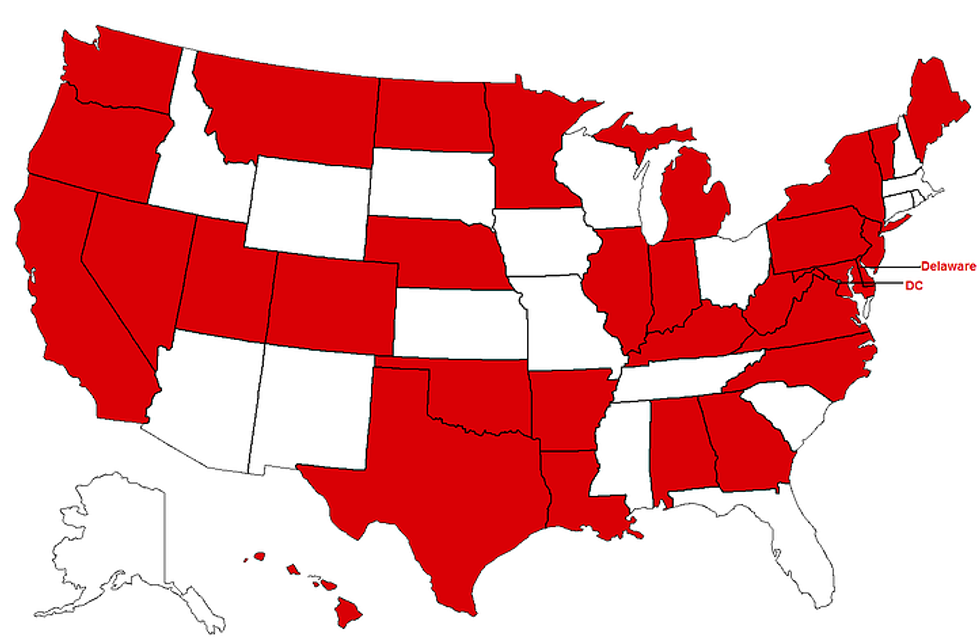
In some states in the US, there are laws set in place to protect people from persecution in life or death situations. This "Medical Amnesty Law" protects people who call the police for overdose situations. The caller, the person overdosing and anyone else that stayed with the overdosing person are legally protected to ensure that these people are able to get help in these life-threatening situations with small amounts of drugs and underage alcohol poisoning. This law also protects callers or victims from having their probation or parole violated because they called to for medical help. The law also provides broad access to naloxone, a lifesaving drug which can reverse the effects of opiate overdose (drugs like heroin, morphine, oxycontin, vicodin etc.) when administered in time. It can be effective up to several hours after the drug has been ingested. This law is in effect in certain states of the U.S. so please know the policy in your state.
It is important to protect your privacy when speaking to the police. When talking to the police, whether it be at your home or in your vehicle, if you are asked to leave your property, make sure to close the door behind you. By leaving a door open behind you when talking to the police, they are able to search your property.
You do have the right to remain silent. In certain states, you are legally required to state your name, but at the least you can say "I am exercising my right to remain silent," and say nothing else.
Do not resist arrest. If you are arrested, for whatever reason, do not resist arrest because this will only make things worse for you.
There are many important things to remember if you feel your rights have been violated. Write down everything you remember about the encounter with the police officer. Don't threaten to file a complaint against the police officer to their face or resist them physically. After the encounter, file a complaint with the internal affairs' division or civilian complaint board to the respective agency of the police officer.
For more information visit these websites:
http://www.acluga.org/files/2213/3832/1792/kyr_eng...
https://www.aclu.org/files/assets/bustcard_eng_201...

















