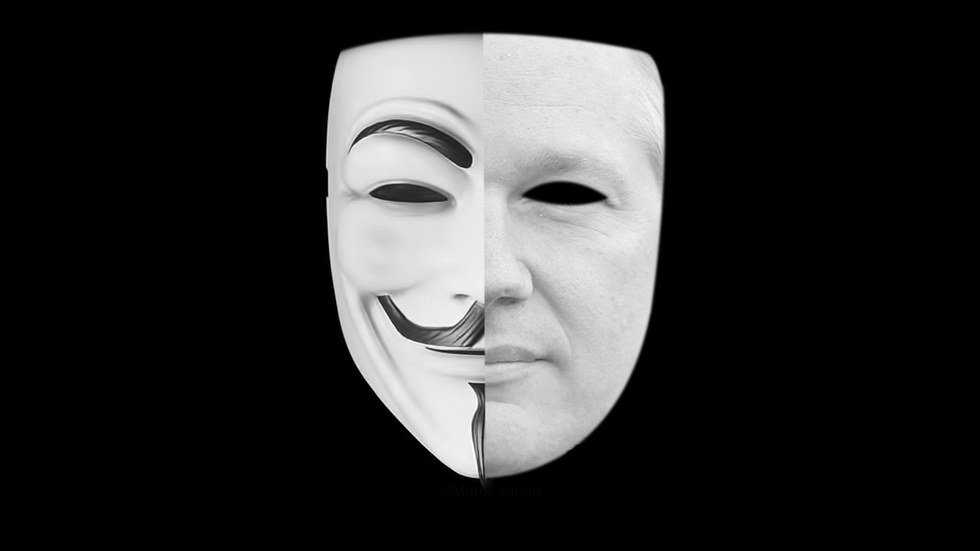
In the world of journalism, ethics is one of the biggest obstacles we face on a daily basis. Lately, questions raised by Julian Assange, Editor-in-Chief of the controversial website WikiLeaks, has left me scratching my head. Now I begin to wonder what exactly is ethical in this business? And how much of information we can use when we are trying to make informed decisions?
Is Julian Assange a hero for broadcasting some of the world's best kept secrets? Or is he a monster for consistently tapping his nose where governments and militaries feel it doesn't belong?
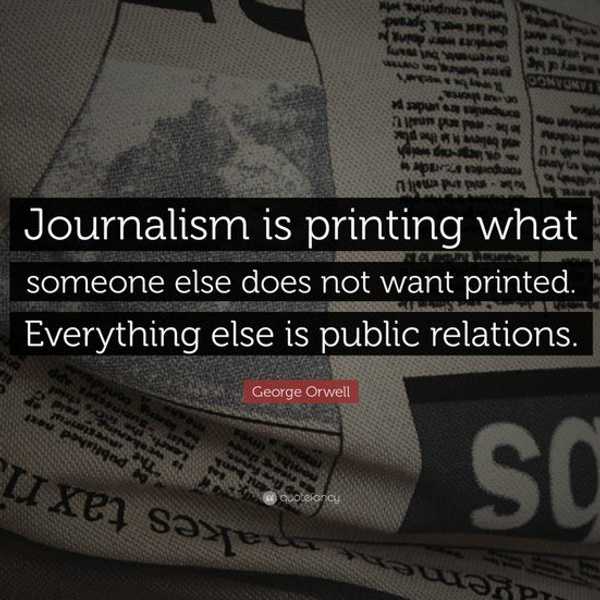
The point of journalism is to get the truth to the public. It's to have information broadcasted that will help more people even if it hurts. We, as ethical journalists want the way that we broadcast the information to be as legal, ethical and mindful as possible.
You could also say that Assange does none of this, because WikiLeaks publishes raw information; and they do it whenever and wherever it needs to be done.
In the last six years, WikiLeaks has caught a lot of heat for its publication of sensitive information. Perhaps you remember in 2010, when WikiLeaks published over 750,000 cables of classified information that was submitted by disgruntled U.S. Army Private Chelsea Manning.
One file, now known as the “Collateral Murder” video, gained instant infamy because it depicted the murders of ten Iraqi men, two journalists, and the injury of two children by American forces. Or, if you want to look at more recent times, you could look at the most recent presidential election, where Assange and his team published thousands of emails sent and received by Democratic National Committee members and former presidential candidate Hillary Clinton’s campaign manager, John Podesta. This leak of information gutted the DNC, caused massive staff upheaval, and created chaos in what many thought was going to be an easy win for Clinton.
Assange’s ethics however are questionable. While he prides himself on getting information to the people, these cables also leak the names of many who are hiding from their governments. One recent case was linked to someone that my old professor knew, and because of an exposé from WikiLeaks, he cannot return to his home country.
If all is fair in this industry, then why do we bother with ethics? Good journalism is about helping people rake through muck and pointing them toward answers that they are seeking. In Assange’s case, he literally dumps the muck on your lap and watches as the world figures it out.
While journalism has an obligation to keep things transparent, some would argue that Assange could take this way too far. Assange takes information that people submit to him and broadcasts it. While he doesn’t usually personally scope it out, he does have a responsibility to the authenticity and consequences of the information.
Is he a monster? Probably not. Assange’s leaks have enlightened the American people with information they wouldn’t have had otherwise. He’s a force to be reckoned with, a form of checks and balances for the information that makes the internet. He also facilitated the release of the video that showed us what was really happening in Iraq, a move that started the shift of public opinion against the war.
He’s done good and bad. He’s helped people and he’s hurt people. Assange has managed to both gain the respect and scorn of some of the most powerful leaders in our world.
Is Assange a hero? Well, that’s for you to decide.