It has been an exciting year for "Harry Potter" fans everywhere. Back in February, J.K. Rowling announced that the highly anticipated play "Harry Potter and the Cursed Child" will be released as a manuscript for fans to read following the play's debut on July 30. On top of this exciting news, "Fantastic Beasts and Where to Find Them" hits theaters this November. Unlike the other films in the "Harry Potter" saga, this movie is set in North America. This is uncharted territory for American fans who have become accustomed to British accents and fly-over views of London.
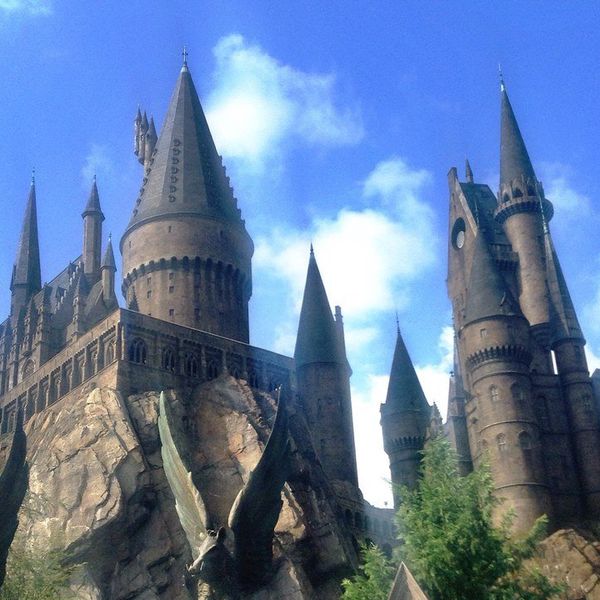
With this in mind, Rowling took to Pottermore to educate fans on what the wizarding world in the United States would be like, finally addressing the thoughts of us fans in America who have been waiting for our Hogwarts letters since we were 11 years old. It turns out, we should have been waiting for our letters from Ilvermorny School of Witchcraft and Wizardry, described by Rowling as "one of the greatest magical education establishments in the world." Over four consecutive days, Rowling released a four-part series called "History of Magic in North America" in short chapter-like stories. Each one addresses different aspects of the American wizarding world, covering everything from early wizard settlers in North America to the wandmakers and wizarding governing body. As an avid "Harry Potter" fan, it's easy and fun to buy into this fantasy world and imagine an America where wizards exist.
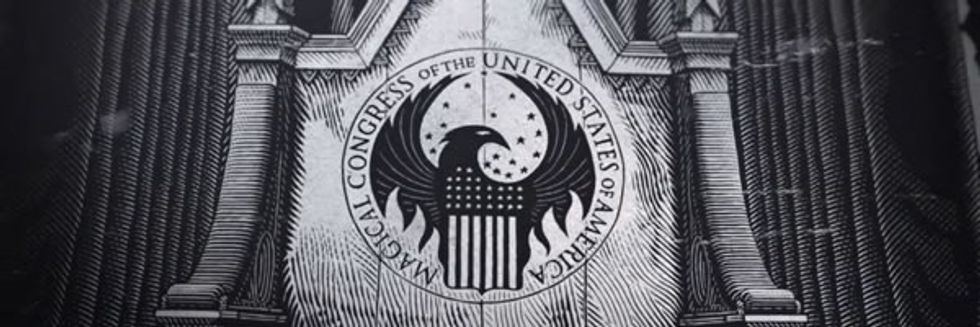
There are many similarities between the British wizarding world we know and love and the American wizarding world that Rowling has now introduced us to. One of the notable differences includes the term "No-Maj," which is short for 'No Magic,' that Rowling uses to describe non-wizards in American instead of the well-known term "Muggle". There is also a distinct difference in the connection non-wizards and wizards view one another in Rowling's America as opposed to the England. As explained in part three of these short stories, Rappaport's Law created strict segregation between wizards and non-wizards that does not exist elsewhere. Among the similarities include a large magical governing body. In the United States, this government is called the Magical Congress of the United States of America (MACUSA), and mirrors the Ministry of Magic in England.
In an effort to not spoil everything for loyal "Harry Potter" fans, I won't give away everything, but Rowling has not disappointed with this small, yet significant series. These short stories can be accessed on Pottermore.com, along with all kinds of "Harry Potter" content imaginable that you can read and explore. If nothing else, these stories will have you convinced your magical powers are still coming.
Mischief Managed.