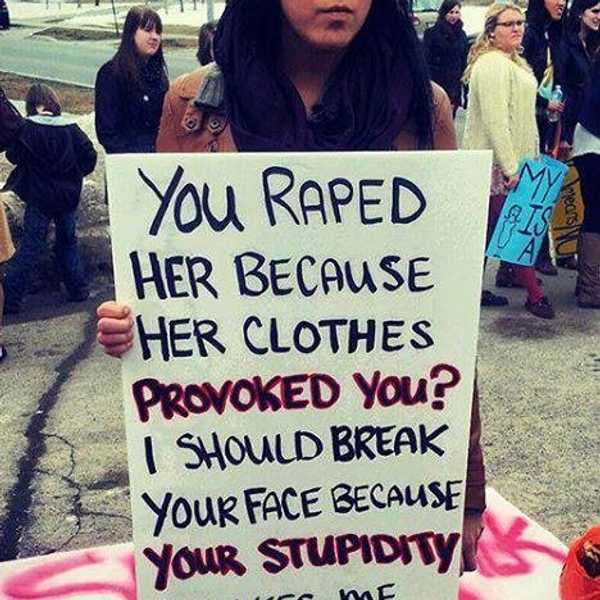
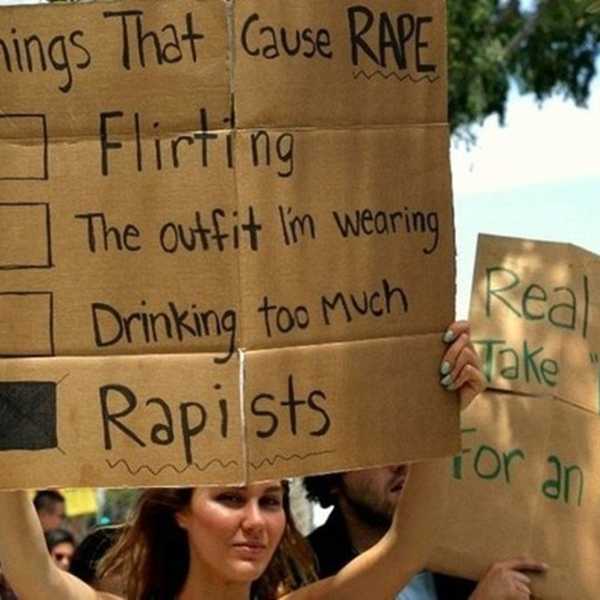

Recently, there have been highly public stories about rapes and sexual assaults on college campus throughout the United States, most notably, the Brock Turner case, and the Vanderbilt gang-rape case. And, naturally, those speaking about these cases have been careful with their words, not wanting to blame the victim. That makes complete sense; rape and sexual assault are never the victim’s fault.
But, using these cases as a stepping stone to warning college students about the relationship between excessive alcohol use and sexual assault is not something that should be avoided. Creating an educational value from tragedies like these isn’t victim-blaming or insensitive, it’s logical. When I say that we should teach students about the added risks associated with alcohol use, I’m not saying that if a student drank excessively and then was a victim of sexual assault, that assault is his or her fault. Never. A rape is caused by a rapist. Nothing else, regardless of the influence of alcohol. But ignoring the role of alcohol altogether is irresponsible.
I’ve heard the common sexual assault statistics: 1 in 4 college women and 1 in 16 college men will be sexually assaulted while in college. I’ve been warned to watch my drink at all times, and not to accept a drink from a stranger. But, for some reason, it isn’t broadcasted that alcohol is the most widely-used date-rape drug, not anything anyone could slip in my drink. Why is that? I also recently learned that 89 percent of sexual assaults occur when the victim has been using alcohol. Why don’t we broadcast these things?
It’s a known part of the millennial mindset that we believe ourselves to be invincible- we think of ourselves as untouchable by danger or problems, and because of that, we’re less responsible with our actions. Part of this is our alcohol consumption. It doesn’t seem to make sense that if alcohol and sexual assault are so highly correlated, and irresponsible alcohol use is such a huge problem among college students, that we don’t educate students about the relationship between the two. I am not saying we should tell students that if they drink they’ll be sexually assaulted, or that if a student is intoxicated while sexually assaulted, he or she “deserved it” or “had it coming”. No, not at all. But alcohol plays a big role in the growing epidemic of horrible sexual assaults, and we’re doing a really great job at ignoring that.
Our fear of victim-blaming has led to a censorship of our warnings that is unhealthy and even destructive, in my opinion. We’re ignoring a huge factor in rapes and sexual assaults, when it should be common knowledge. No, alcohol does not cause rape- rapists cause rape. But alcohol is a factor, and we shouldn’t ignore that.