The days of studded leather jackets and sky-high mohawks are gone. The establishment still stands, and a lot of terrible music is still making unholy amounts of money, so what has become of punk rock?
The late 1970s saw the rise of bands like the Ramones and the Clash, playing a new kind of ferocious, stripped-down music that critics were calling "punk rock." This first wave of punk served an invaluable purpose: it was a direct protest of the disco scene that kids were growing increasingly weary of. The youth were tired of being spoon-fed the consumer culture of their parents, and they finally had something to latch on to and call their own. This is the time period in which many of the hallmark punk aesthetics became popular in the subculture, including the outrageous hairstyles and the tattered leather wardrobes.
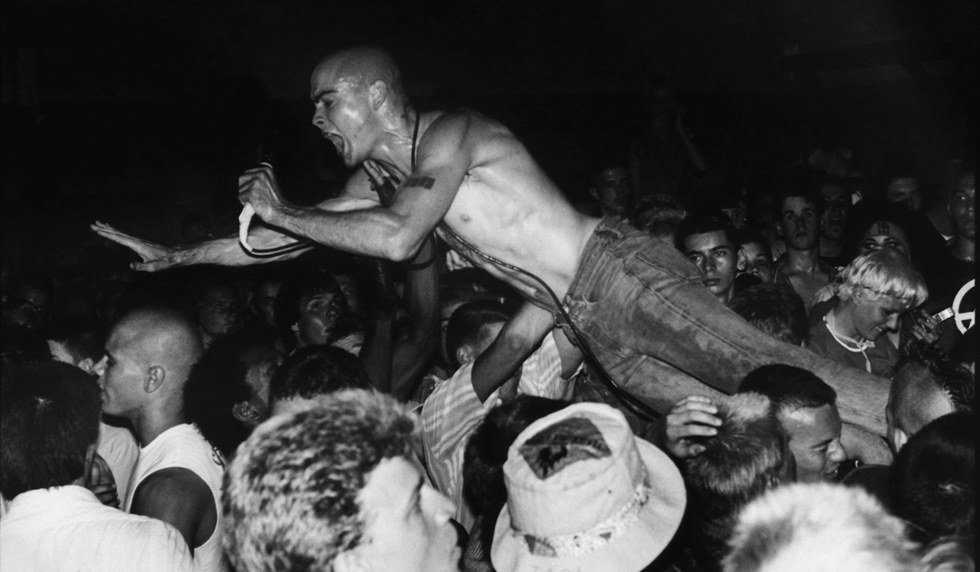
For me, however, the true spirit of punk saw its manifestation in the second-wave era of the 1980s. This is when newly christened "hardcore punk" bands were running their own record labels out of their basements. Acts like Black Flag and Minor Threat, which never saw critical or commercial acceptance, made do-it-yourself ethics a priority. They booked and promoted their own shows, packing out small clubs and venues across the country. This raw and hands-on approach to the music business is what made the music so great. The artists had complete control over their creative processes, leading to some of the most daring and unique records the punk genre would ever have.
The early 1990s heralded the age when punk would finally see some widespread popularity. This was a double-edged sword for the genre. On one hand, the success of bands like Green Day and The Offspring meant that punk fans could now hear their favorite kind of music on the radio. On the other hand, these bands often signed to major labels and lost a lot of the spirit that made them so great in the first place. This watering down of punk rock led to its eventual decline. Many bands stopped playing altogether, while other bands that persisted were only making shadows of the great punk music that earned them their success in the first place. So this raises the question: Where is punk now?
One place punk lives on is in my local DIY venue called The Purp Lodge in Cleveland, Tennessee. Self-made bands from around the country come to play alongside local acts in what is essentially just a guy's living room. The shows are always electric, the intimate space promotes a powerful sense of energy and community. New friends are made, new ideas take root. This is something that my peers can truly claim as their own, in the same spirit as the punk rockers of the previous century.
This underground scene we have in Cleveland is just a small part of a world wide movement. Somebody somewhere near you is creating a community just like it. Even if the music sounds a little bit different, the spirit is the same. It still wholly belongs to the people that breathe life into it. If you're wondering if punk is dead, I'm here to tell you that it is not. It's waiting just around the corner, but you might have to go and look for it.