Since the beginning of entertainment history, racial insensitivity has been a perplexing and enduring problem. Whenever actors, usually of Caucasian American heritage, attempt to play characters of different races, predominantly of African American and Asian people groups, they end up irritating the audience. If they act out their roles with stereotypical traits, like heavy accents and incomprehensible slang, the viewers become appalled and show a lack of support for their future accomplishments. Despite this fact, racial insensitivity continues to plague the media by offending the viewing public. It is not surprising to make the claim that getting rid of racism in movies is impossible, since Hollywood movies of the comedy genre generally tend to make a lot of money despite their latent racism. Personally, I started to garner hope that racial insensitivity will lose popularity as a once-prosperous cultural trend, especially after reading about the casting news for Disney's latest work, Moana (0).
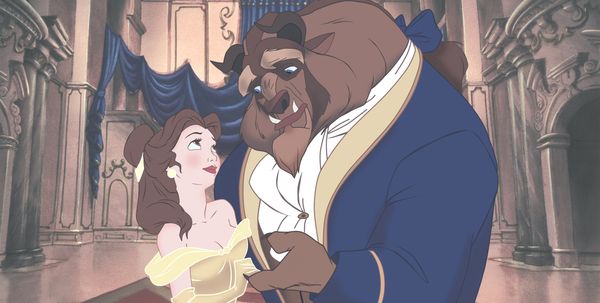
When people are asked what their favorite film studio is, chances are they will say "Disney." This is not surprising as Disney is a valuable part of almost everybody's childhood. Whenever a new Disney film is released in theaters, parents clamor with their children to watch the beautiful animation, colorful characters, and relatable stories. All is not rosy with the Disney corporation, however, people have derided it over the years because it sometimes does not exhibit racial diversity, as seen by its typical representation of the "stereotypical Barbie doll, blond hair, blue eyed..." (1). Many parents complained because making characters only on this basis is harmful. Everybody has a different life experience, so the viewers of these types of works will not be able to "relate to her" (2).
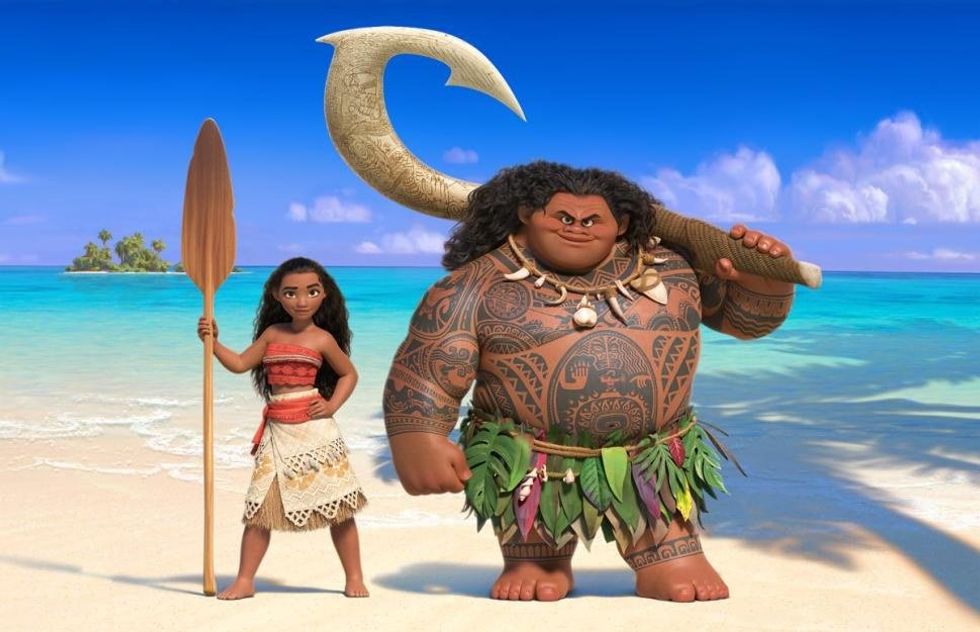
With all these complaints flowing into the media stream, I was curious as to how Disney would rectify its racial insensitivity. The answer to my curiosity was discovered in my reading of the casting news for Disney's latest epic, Moana. Like many previous works, Moana focuses on a princess and her adventures. What was interesting for me to learn was that it takes place in Hawaii. What caught the attention and warm-hearted reception of the public, however, was the fact that a Hawaiian newcomer actress would be voicing the titular character. After learning this surprising fact, the public suddenly shifted its opinion that Disney was racially insensitive by "celebrating that Disney has again created a princess who is not the stereotypical white girl..." (3).
It argued that racial insensitivity was finally becoming less practiced and received, because the viewing public is finally getting the opportunity to learn something new. Fans of the Disney works can finally enjoy the Disney experience without having to worry about offensive material. Arguing that this is a "good direction," Donna Hardwick, a biracial Brooklynite, and Lyss Stern, CEO of divamoms.com, states that Hollywood will have to focus more on making family-friendly movies, since more people will watch movies that teach important life lessons, like independence and intelligence (4). It looks like Moana will do just that by "inspiring and empowering girls" and "striking the right note of self-esteem", emphasizing the reality that people have to learn how to live with others, since society consists of a myriad of cultures (5). Through accentuating the importance of diversity, films like Moana can make a positive impact on society, since it will be more relatable.
That is the key right there: racial insensitivity in films will eventually decrease in popularity because people are beginning to realize their harmful effect on civilization. They understand that they cannot learn anything positive or worthwhile from the racial humor typically seen in today's movies. This explains why they are so excited for works like Moana, as they see the potential for personal growth, especially for their children (6). With such a positive prospect on the horizon, it looks as if the days of racial insensitivity in film are numbered.
As a film fanatic, I wait for that day with great anticipation and joy.