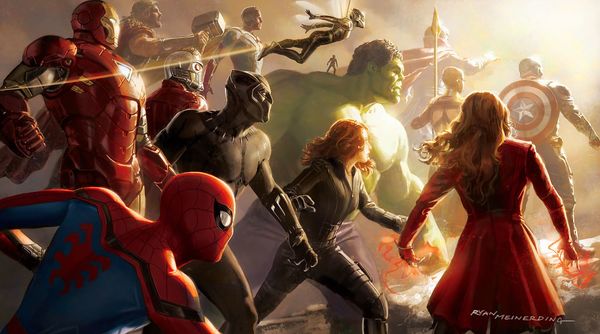
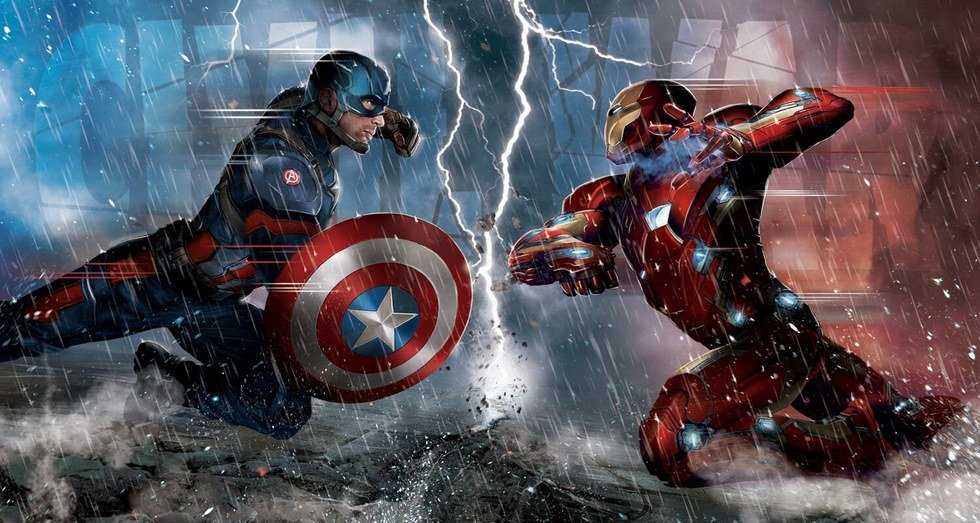
Iron Man has always been my favorite avenger, so going into the theater for Captain America: Civil War, it was hard to not want to automatically side with Iron Man. Even though it is easy to walk into the film and choose Iron Man or Captain America simply because they are your favorite, Civil War is meant to be a conflict over ethics, not a popularity contest.
Long story short: the war between Steve Rogers and Tony Stark came about because of the Superhero Registration Act. This act would make it so anyone with superhuman abilities had to register with S.H.I.E.L.D. and then S.H.I.E.L.D. would determine if they were to use their abilities to aid a situation or not. The act was created because of the mass destruction and deaths people like Iron Man and Captain America caused whenever they fought the forces of evil. The act was supposed to make it easier for superheroes to track down villains, while causing less deaths and damage.

The split between Stark and Rogers is solidified because of this act. Stark, learning from mistakes he has made in previous Avenger films, believes and enforces the act. He believes that government regulation could have helped save lives in the past. Even though superheroes like the Avengers often mean well, they do not always achieve a peaceful ending. One of the biggest examples of how regulation could have kept the Avengers out of trouble was when Stark accidentally created Ultron in Avengers: Age of Ultron. The creation of Ultron ended with the massacre of thousands of people in Sokovia. The Sokovia incident is what made it so people began aggressively enforcing that superheroes be regulated. The act's goal is to make it so superheroes could no longer be above the law and maintain the well-being of society through government regulation.
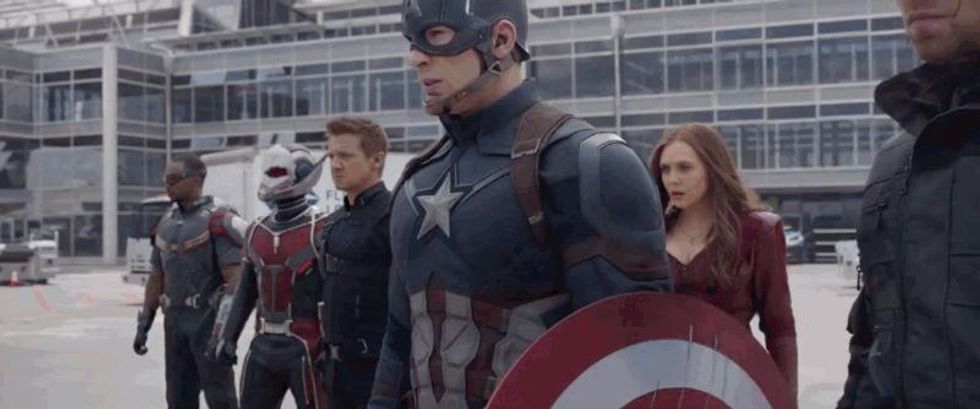
Superheroes should not be allowed to do whatever they please simply because they have the ability to. Stark believes in this statement, but Rogers is on the complete opposite end of the argument. He believes that through government regulation, the government may stop them from going to a place they feel they should be or send them somewhere where they feel they should not be.
Naturally, Captain America is very much for the freedom to do whatever he feels is right. However, this view can become skewed because what is "right" is incredibly subjective. In Civil War, Captain America's view of what is right becomes twisted because of his old friend Bucky, or the Winter Soldier. Roger's mission in Civil War appears selfish and centers on his friend, who is also someone who committed horrendous, brainwashed crimes.
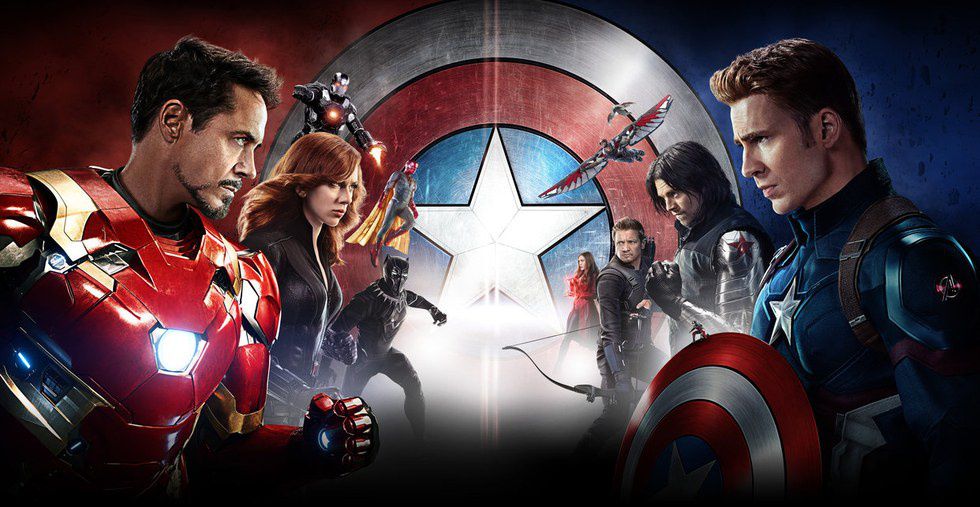
To avoid spoilers, I will not go into too much detail about Captain America's objectives. I leave it up to you as the reader to go and see the film and see what you believe is the correct ethical decision. And after the film, ask yourself:
What team do you stand on?