If someone were to ask you if you’re musically inclined, how would you answer?
Maybe you would immediately remember the time you spent fumbling through piano lessons as a child or the way friends cast concerned glances when you sing along to the radio. So you would reply, “I wasn’t born with any musical ability whatsoever.”
But is that actually true?
According to research conducted by the international music-education program Music Together, every person is born with an inherent ability to become musical.
All you have to do is take a quick inventory of the adults in your life that you would call "musically gifted" before you realize that this “inherent musical ability” in children doesn’t always fully develop. So I sat down with Music Together class instructor Marilyn White to clarify why the majority of adults today seem to have little to no musical ability and what we can do for the next generation of music-makers.
“There are few people who are actually tone-deaf,” White explained. “If a child doesn’t get certain exposure to music by the time they are a certain age, their ability to learn it is lessened. Music Together is based on the understanding that all children are capable, at birth, of becoming musically competent if they are exposed to the correct stimuli at a certain age.”
But the time window to stimulate musical ability is even narrower than you might guess. During early childhood, musical exposure has to happen before a child can have the choice of becoming a musically-competent adult. By as early as age eight, that developmental window begins to close. At this point, if a child does not have a musical foundation, it will become increasingly more difficult for them to develop musically.
Unlike a child who never receives a musical foundation, a child who completes the Music Together program will achieve basic music skills, like keeping rhythm and singing on pitch. White explained, “They can go on to learn to play instruments, to sing in a group, or do whatever they want musically. It opens more opportunities for a fuller life because of exposure to the arts.”
Even though Music Together’s primary objective is to lay the foundation children need to be musically successful in the future, these music classes don’t follow a rigid, performance-based structure—a struggle that White is well-acquainted with herself. “I was drawn to Music Together because it’s about having fun without the pressure of perfect performing,” White said. “That’s something I’ve struggled with my entire life.”
After beginning piano lessons at age six, White went on to pursue a degree in Music Education, an experience that heavily emphasized the importance of flawless performing. Twenty-eight years later, after a full career of teaching in the classroom, White found Music Together and rediscovered that music’s greatest joy doesn’t come from hitting all the right notes or being the best—it comes from the pure enjoyment of sharing the experience with others.
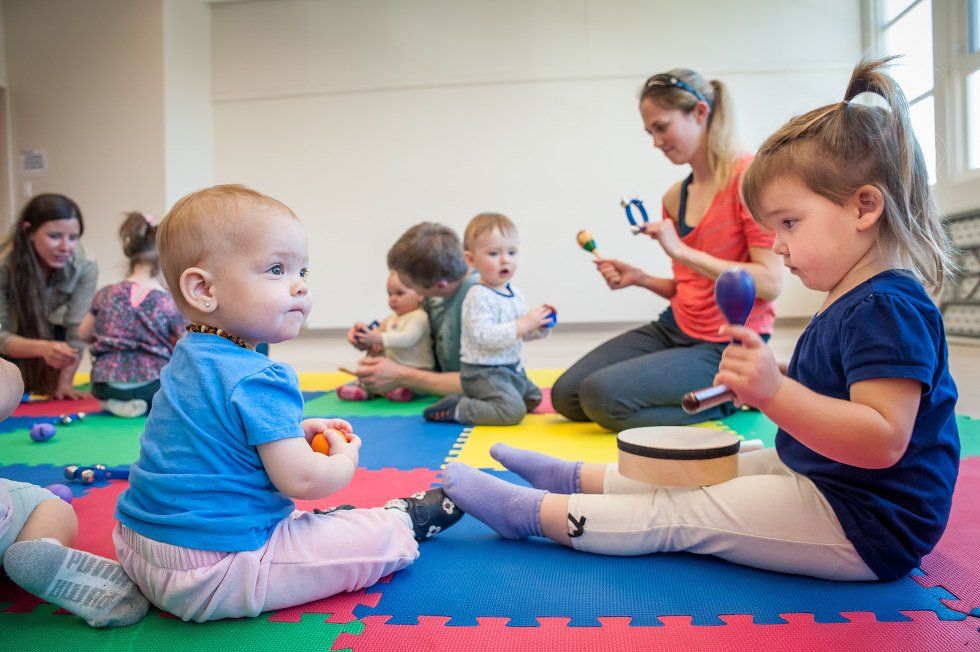
And Music Together definitely makes fun a priority. In each class, kids (ages infant to five years) are encouraged to sing, dance, and interact with many different styles of music.
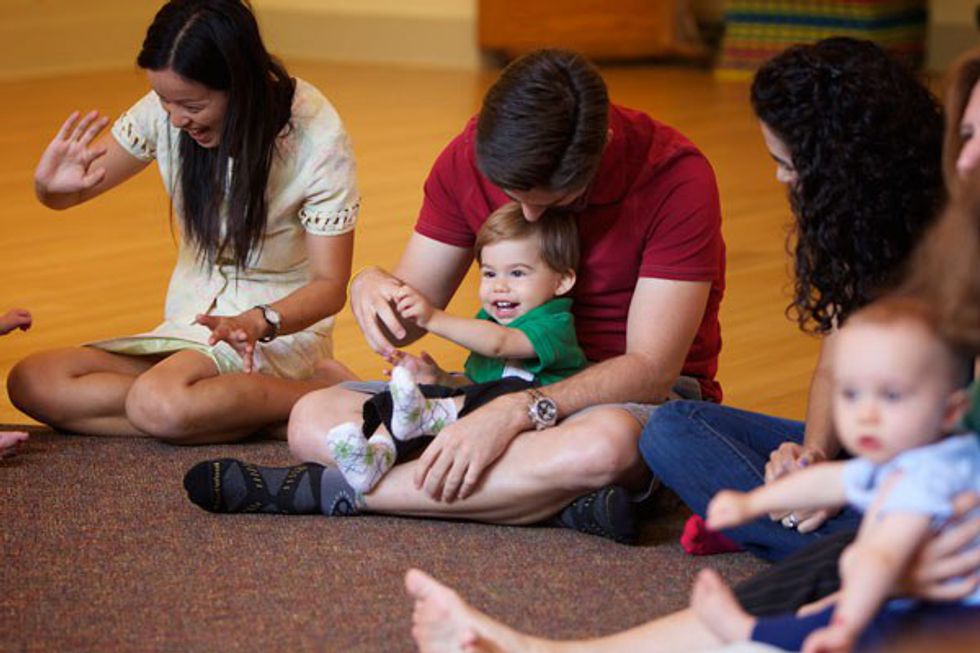
These unconventional music classes also emphasize the importance of the caregiver’s role in their child’s musical education. Parent-child bonding is one of the greatest benefits of the program. Guardians are supplied with all the resources (books, DVDs, and CDs) they need to support their children's musical development.
“Technically, I am teaching the parent how to teach the child,” White said. “I am just the facilitator to show them what to do at home. Forty-five minutes a week won’t lay that foundation. It’s the parents’ job to incorporate music into their daily lives.”
A parent of two herself, White wishes this style of music class had been available when she was a new mom. “When we first moved to town, I didn’t know anybody. I was home alone with the baby all day. I would have loved an opportunity to meet other parents who had the same values and also wanted their kids to have the same benefits. It’s a chance to make new friends and build lasting relationships.”
Starting this fall, White will be enrolling families in her first semester of Music Together classes, and she has big plans for expanding the program. “I want to reach more people and educate them on what children need to be musically competent. Two of my current locations are in churches, and I would love to bring more families into those churches. Maybe in ten years, I’ll have multiple locations, branching in several communities, and be able to offer more age-specific classes." White also hopes to one day offer tuition-free classes to underprivileged families in the community. “I want to provide opportunities to give them a foundation that they could build on later.”
But most of all, White is excited to have the chance to encourage families to enjoy music together, something she’s come to treasure within her own family. “Making music creates a special bond between people, a bond I’ve shared with my girls after years of singing in church together and singing in the car. Nothing beats the enjoyment of just being together.”
Invest now in the music education of the child you love, so that years from now, when they're asked if they're musically inclined, they won't hesitate to answer, "Yes."
For more information, follow Marilyn’s Song Garden on Facebook or visit musictogether.com.






 man running in forestPhoto by