What makes a person an internet troll? What makes you a trickster? The listed quotes below are from the Social Media Reader article by Gabriella Coleman; she displays a captivating analysis of what it means to be an internet hacker and how the hacker ethic has evolved today. I will be providing a little analysis of what she means.
“The behavior of trolls cannot, of course, be explained only by reference to the hacker underground or phreakers; nonetheless, as this essay will illustrate, there is a rich aesthetic tradition of spectacle and transgression at play with trolls, which includes the irreverent legacy of phreakers and the hacker underground.”(57)

It’s fascinating when you realize that hackers -- like most human beings with a significant amount of power -- find themselves completely intoxicated by the feeling of control. Because your identity can remain unknown and you can then get away with comments or actions that loop-hole past the law or human etiquette, it is very tempting to be able to do or say much of everything you want without the thought of negative consequences. For anyone such an opportunity would not go unthought of. I'm sure even the most decent of human beings have struggled not to take such an opportunity and troll someone or something on the internet themselves. This part of the article really speaks on a personal, ethical level of how human beings, no matter how different and incredibly diverse, are so cognitively alike. To reiterate, a lot of us are put in this conflicting situation everyday on social websites that will test our morality -- to either make an ethical decision or selfish/ impulsive one.

Let’s talk about Youtube, for example. Its platform contains billions and billions of users that are still growing each and every day. As if a name would not go anonymous in such a huge number of people already, these users are given the option to change their actual name into an avatar name. Now this is a good way to allow the user to be creative and also keep their real name and identity private from the public. However, such a feature can, and most times today will, detach the user from the obligation of responsibility as their alias keeps their real identity unknown to the world. It’s almost like playing a video game: you can cause as much damage, death and hurt as you want, and most times it goes unnoticed for reprehension. That idea alone can detach a person from the confined rules of the real world, that could otherwise land someone in jail immediately. This is probably why the internet world, though very much a part of the real world, is almost perceived as unrealistic and prone to the most deceit, slander or trolling from most individuals, young and old, who own a computer.
“Tricksters are much like trolls: provocateurs and saboteurs. And according to Lewis Hyde, tricksters help to renew the world, in fact, to renew culture, insofar as their mythological force has worked to “disturb the established categories of truth and property and, by so doing, open the road to possible new worlds.”(53)
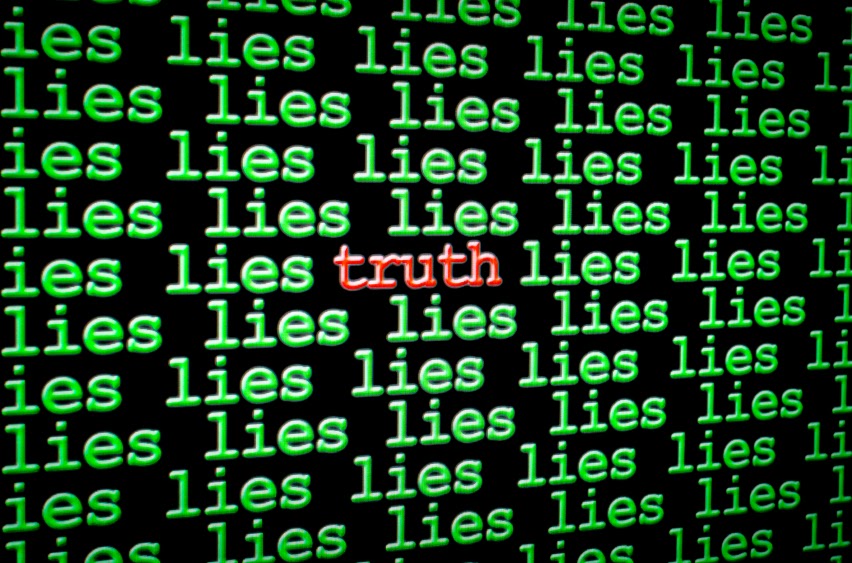
I did not realize the dividing line between tricksters and trolls; Whereas trolls may have completely irrelevant false information altogether, tricksters find their entertainment in a strategically most unethical way of writing. They purposefully tweak specific words or make what seem like miniscule changes to an article or paragraph into a corrupted mess of duplicity. Have you ever seen a post on Facebook about something that seemed pretty accurate only to find the story was a hoax? A lot of people do this on social media sites in order to get multiple reactions from multiple, unsuspecting audiences.
I have to wonder if this kind of person exists in more than our social media sites. Perhaps this sort of game is also played during important political campaigns. What do you think?