I expect the questions.
“Do you have to wear a burka back home?”
“Is it really that dangerous?”
“Did you come from a village?”
And as always, my vaguely-worded, broad favorite: “What’s Pakistan like?”
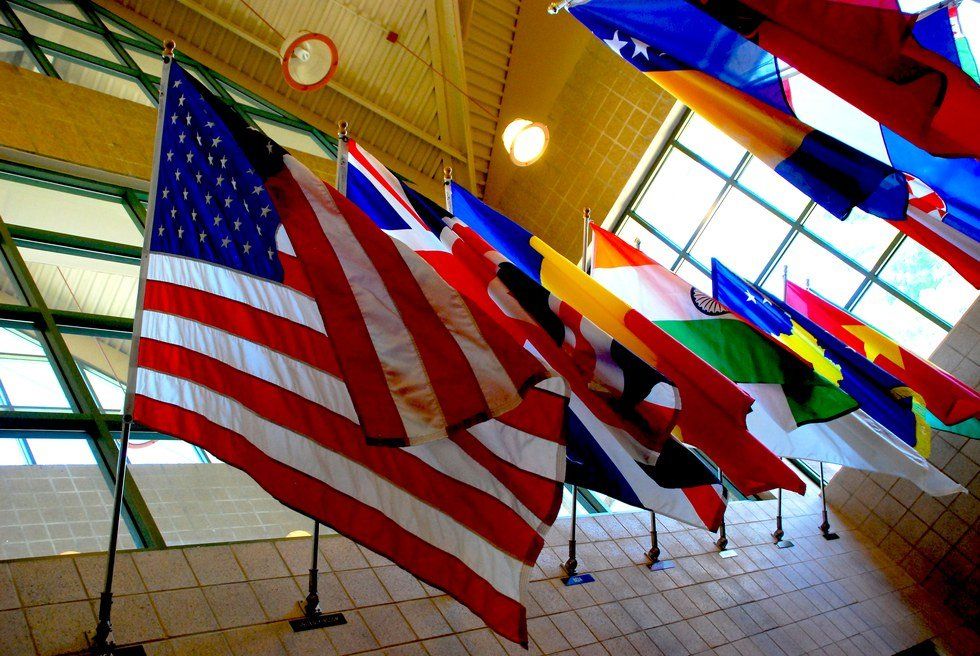
International students have a lot more to cope with than some of our peers take into account. Packing up and moving to another continent, visa issues and the quiet absence of our family during Parents’ Weekend just to name a few. The constant bombardment of questions about our home countries during orientation week is a prime example, and answering them is a skill that grows over time.
It’s difficult to navigate the space between wanting to defend your country against inaccurate stereotypes and admitting that sometimes, it really is that bad. Whether it comes from an ingrained sense of nationalism or the fact that you might not have had a close proximity to the experiences that your country may be notorious for, you can’t always get it right. This is made even more difficult by the fact that you’re expected to condense a nuanced, complex answer into a few simple sentences at a party while speaking to someone who barely has any context. Of course, you don’t want them to go off what they saw on Fox News so you’re desperately trying to make sure you can give them as many facts as possible but then again, it’s a party - not a lecture.
How can I tell you what 180 million people are like? How do I do that without letting my own love-hate relationship with my country taint the conversation? And are you talking about the weather or the people or the landscape or the food?
Most importantly, the international student at your American college got there for a reason. They are probably upper-middle class back home and had enough money and resources to go to school, test well and apply to college abroad. No one person can accurately define the “authentic” experience of their country but people from their demographic especially cannot. They may be very much removed from problems that a majority of the population faces so you you shouldn’t just accept them saying: “Hey, it’s not that bad.”
People who have actually lived in the country you are interested in learning about are undeniably great resources because they can contextualize information more truthfully than most news channels can. However, they cannot be expected to be the sole source of perceivably reliable information because they are just one person from that country with a multitude of judgements, biases and opinions. So next time you do question someone about what life is like back home, it is best to take their views with a grain of salt and not see them as defining remarks on the entire nation.