For millions of people, Halloween is a much anticipated celebration of capitalist excess. Children everywhere look forward to inhaling pounds of Mars bars and for the general excitement of dressing up and staying out late. People well into their adult years enjoy dressing up as well, including college students. However, if you are a college student, you may have noticed a similar article to the one that students at the University at Louisville received in their school newspaper, the Louisville Cardinal.
The article describes the tasteless choice of costume that University staff, including the school’s president, wore for Halloween 2015. Last year, the U of L staff dressed as a mariachi band, it seems, adorning themselves with large colorful sombreros, fake moustaches, and maracas.
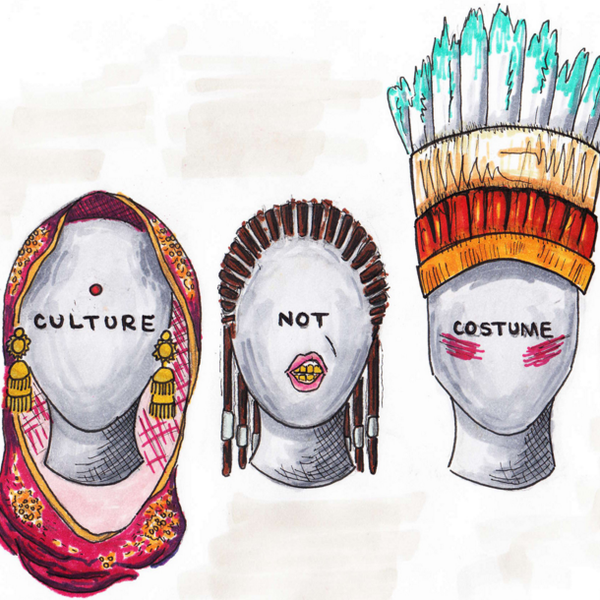
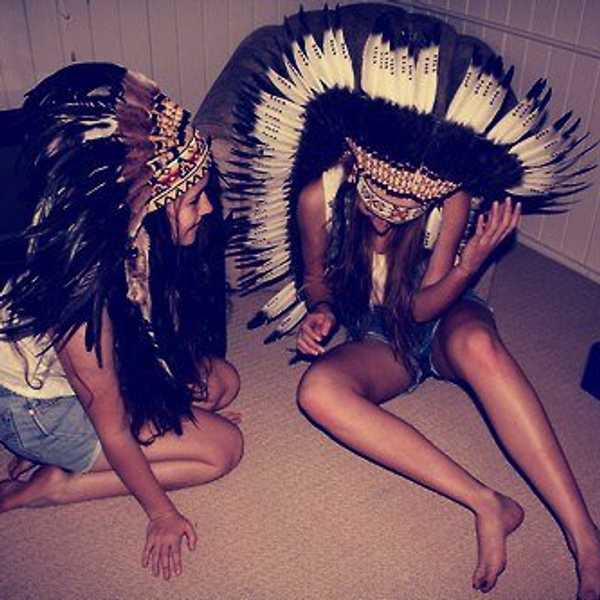
As expected, the PC-focused student body was not okay with this, as evidenced by the previously linked article. The article itself calls the actions of the U of L staff who participated in this racists, cultural appropriators, and accuses them of an almost malicious lack of respect for other cultures.
I do not want to be mistaken, what these staff members did was absolutely in poor taste. These people are essentially servants to the public, U of L being a publicly-funded university. More tact should’ve been used when coming up with the staff’s costumes for the year, given their standing in the community.
That being said, this social boogeyman of cultural appropriation is not as bad as it seems. Cultural appropriation, by definition, is the adoption of aspects of one culture by another. These cultural elements are typically repurposed to suit the appropriating culture until these elements become their own ideas entirely, showing only a tangential connection to the original idea.
This is not inherently a bad thing, despite what some people may think. Alexander the Great, for example, is one of the reasons why the ancient world became so connected in a cultural sense. This conqueror spread Greek culture across Africa, the Middle East, and into the Indian subcontinent. The various cultural elements that were spread to these areas were appropriated to suit the tastes of the people Alexander and his army defeated.
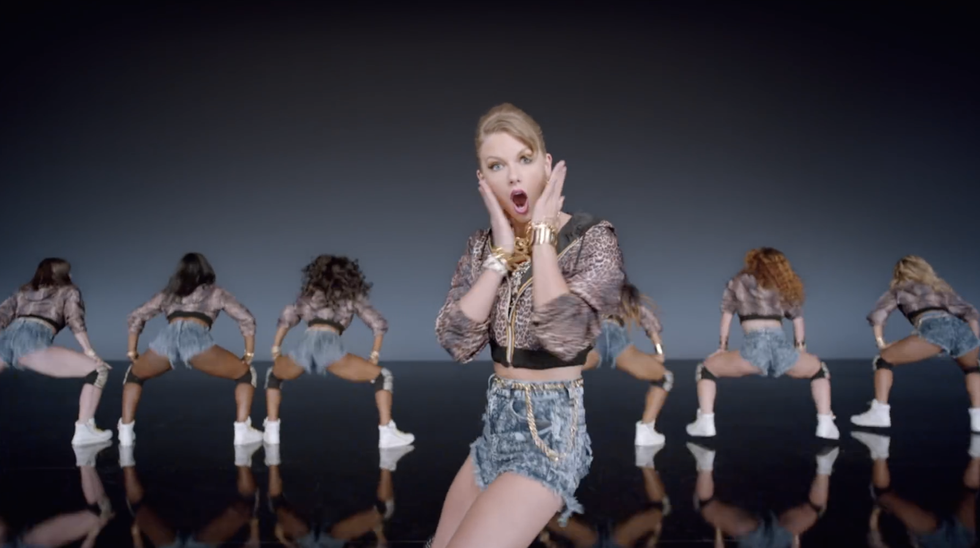
One example that is often cited in a negative way is white people “appropriating” hip hop, and by extension, black culture. This example is particularly ironic when one considers how prevalent white people are and have been in hip hop since its inception. Artists like Beastie Boys, DJ Shadow, The Streets, Eminem, and Aesop Rock have changed the face of hip hop (for better or for worse.)
Regardless of what the popular opinion is of these artists, the fact is that their influence on the genre of hip hop cannot be measured. Calling hip hop an exclusively black art form diminishes the roles that these artists have played in the genre’s history. Doing this also excludes the plenty of non-white, non-black artists that all make great work like Immortal Technique, M.I.A., and Lin-Manuel Miranda.
Opponents of cultural appropriation in this way espouse the idea that white people cannot produce hip hop music because it is dominantly a black art form. This goes against common logic in the way that no group "owns" an idea, strictly speaking. This line of thinking also goes against the traditional goal of making hip hop music, and that is to say something and have your voice be hard. It makes no sense to exclude people from making the kind of art they want, especially when the art being attempted is all about the statement.
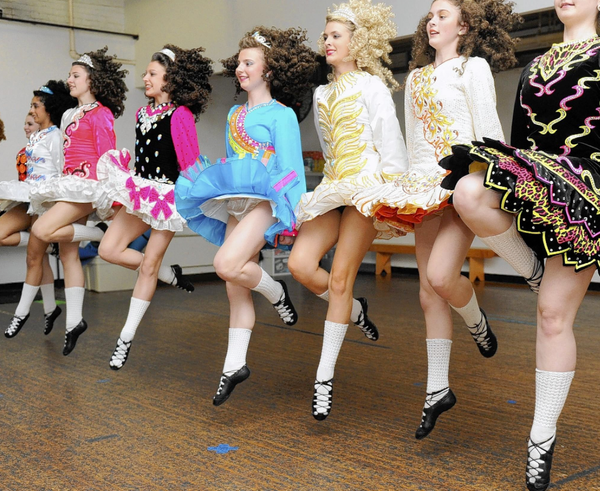
To relate this to the first example, Halloween itself is entirely appropriated culture, unless you’re of Gaelic descent. The holiday we know today started as the festival of Samhain and was a celebration of the thinning of the barrier between our world, and the realm of the spirits. The festival was also subsequently modified by the Romans and the Catholics throughout history, and was brought to America by the Irish. If the same logic is applied consistently, then only black people can create hip hop music and only Gaelic people can celebrate Halloween. However, this example exposes an interesting double standard with this line of thinking.
Those among us who typically get get angry about things like cultural appropriation often turn a blind eye to instances where elements of “white culture” are appropriated. Halloween, for instance, illustrates this point perfectly. Halloween has been so widely adopted and accepted into the cultural lexicon that anyone would be hard-pressed to find someone who didn’t celebrate the holiday in some capacity. However, this blatant instance of cultural appropriation isn’t seen as “problematic.” In fact, some people celebrate this originally white cultural idea by making fun of white people as an entire group. It’s completely wrong for one group of people to dress as mariachis, but it’s completely fine for someone else to dress like this?
The most important takeaway from this article is that cultural appropriation is not a bad thing. In fact, it’s usually a positive thing for a culture or for a group of people. A lot of opponents of cultural appropriation see it as devaluing and delegitimizing of the original culture, but this is quite to the contrary. The adoption of new cultural elements is usually a sign of appreciation and interest and is in no way malicious. The appropriating group liked an individual cultural element so much they chose to adopt it into their own lives. Cultural appropriation is also somewhat necessary in the prevention of cultural stagnation, and allows for a certain culture to be fluid and dynamic.
Make no mistake, cultural appropriation is a real occurrence, but it is nothing to be feared. It is a natural byproduct of living in a multicultural society and works in a similar manner to osmosis. As time progresses and people change, cultural will continue to grow and develop, and this should be embraced with open arms. Cultural segregation is not the answer.