

The poor are among the many systematically oppressed groups in the U.S.. One major way the poor are being oppressed is through the U.S. for-profit bail system (The U.S. is one of only two countries that use this system). The for-profit bail system is quite simple at surface level. Once an individual is accused of committing a crime they are put into jail while they wait for arraignment. At arraignment the criminal charges will be read and the judge will decide whether to let an individual go free until their trial, to keep the said person in jail until the trial, or the judge will set a bail amount. Bail is a set amount of money that the accused can pay to the courts to be set free until their trial. Bail acts as an insurance plan for the courts to assure you shows up to court.
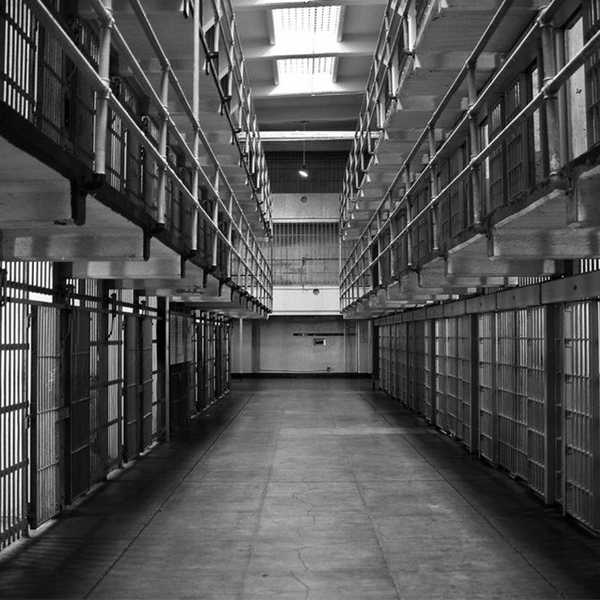
The reason this system is affecting the poor so heavily is because sometimes a person is simply too poor to even afford a bail of $500. Under this system a rich person can be accused of murder and bail will be set at, let's say, $250,000, they will pay that and be set free until trial, while a poor person can be accused of something as small as public intoxication and bail will be set at $500 but since they are poor they will have to sit in jail until the trial (this time period could stretch anywhere from a few days to a few months). For these poor individuals who are being held in prison, that few days could potentially ruin their lives. The poor people usually work jobs where if they're absent for one day they are going to get fired and live in shelters or low-income housing where if they do not show up at night their spot will be filled.
In order to avoid losing their jobs and having their lives ruin these poor individuals will contact bail bondsmen. Bondsmen will pay for an individuals bail and then that person will have to pay back 10-15 percent interest after the court date. If that individual does not show up for trail the court will take that money which the bondmen paid to release you. Here's the crazy part...the bondsmen will then hire a bounty hunter (yes, just like the ones on TV) to find you and turn you in. These bounty hunters do not need a license or training to become a bounty hunter and they have more power than even police officers have. They do not need a warrant to search a persons house or their car they can just go in. As you can imagine this can be problematic. There have been cases where these bounty hunters have had the wrong people and injured those people because they are not properly trained.
In 2013, a study of New Jersey jails found that 38.5 percent of the population, nearly 5,000 inmates, were being held just because they couldn't afford to pay their bail. This is absolutely crazy to think about. These people awaiting trial are not even proven guilty yet. People being held simply due to financial instability is putting citizens, who either committed a small misdemeanor, in prison with murderers, rapist and other hardened criminals.
Some people have even gone as far as to plead guilty just to avoid jail time. The prosecution can offer a plea deal to the accused, they admit guilt and in turn they get community service or probation. Regardless of whether they are guilty or not they will do absolutely anything to avoid going to jail. Being in jail can mean contracting diseases, falling victim to physical violence or even sexual assault.
A prime example of this system causing the death of one individual is the case of Sandra Bland. Last summer, her story blew up causing protest over police brutality after Sandra Bland was killed while being held in jail. Sandra Bland was imprisoned because bail was set too high for her to pay. A human life could have actually been spared if not for the for-profit bail system that we have in the U.S.
The saddest part of this entire problem is that there are proven alternatives that work even better. There are four states which have banned commercial bailing in 1976 and 94 percent of people still show up to their court dates. The main alternative would be more pretrial agencies. These agencies will meet with the accused and set up a plan for them. They will keep track of the accused and make them come to the agency to check in once a week, or even more, to assure they will come to trial. The cost of detaining someone in prison is about $79.16 per day while the cost of pretrial service supervision is only $7.24 per day.
The real question is: why, if there is an alternative way which is more cost efficient and effective, does the U.S. continue to use a for-profit bail system?