
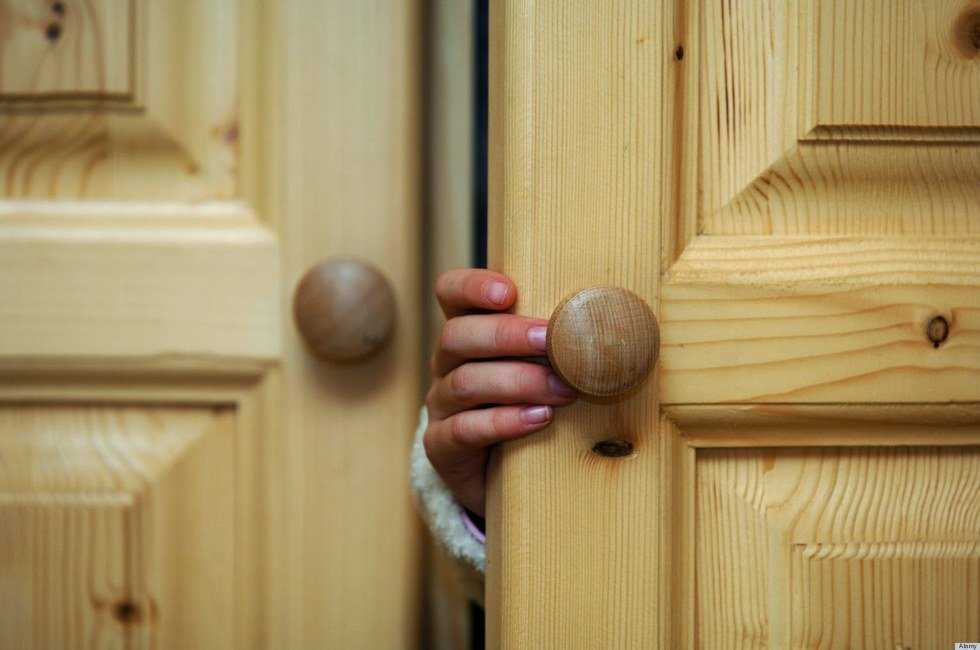
The term in the closet is a phrase that refers to a person who identifies as queer but is keeping their sexual orientation hidden from others. Many are under the impression that once I came out, my truth would be known and that would be that. However, I see now that this is not the case and I will expand on why.
Please keep in mind that I am using the term "gay" loosely and as an umbrella term for non-heterosexual.
The societal assumption is that you are straight. This normative expectation forces queer people to have to come out every time they deny this expectation. Essentially there is a moment in each interaction with a friend, waiter, teacher or person in a mutual space in which a queer person implicitly denies their assumption. It's like the American justice system, innocent until proven guilty. Straight until proven gay. This has lead me to the conclusion that being in the closet is not the difference between someone admitting they are gay, but rather it is simply the societal expectation that one is not gay. I imagine that if society did not assume people are straight, people wouldn’t need to come out. But because of the heteronormative society we live in, we have to come out to every person we interact with. On a walk with my girlfriend, if our actions are indicative of the nature of our relationship, then we will be coming out to every person we encounter not because we feel a need to divulge our identities, but because our actions implicitly notify people around us that we are not straight.
The scary thing about this concept is that you never know who is going to be standing outside the metaphorical closet. Sometimes people don’t think twice when you walk out; conversely, people have slammed the closet doors on gay people for years with, “pray the gay away,” “correctional camps,” or “I don’t care what they do, I just don’t want to see it.” Society is making progress, but this closet or assumption still impedes us all.
Thus, we need to reject the concept of the closet as we know it today, a reflection of one’s comfort with his or her identity or capacity to share it and think of it for what it is. One does not walk into this metaphysical closet and choose to remain inside or exit it, but rather finds his or herself contained by it. Ideally we would eliminate the metaphysical container all together and acknowledge that sexuality is fluid, but as humans are programmed to categorize, that seems easier said than done. Instead, I hope one day that there is no societal expectation for one’s orientation. I hope people will begin to view sexual orientation like we view one’s favorite color: irrelevant to one’s character and susceptible to change.