
What's the first thing that comes to your mind when someone tells you he or she is a "non-denominational" Christian?
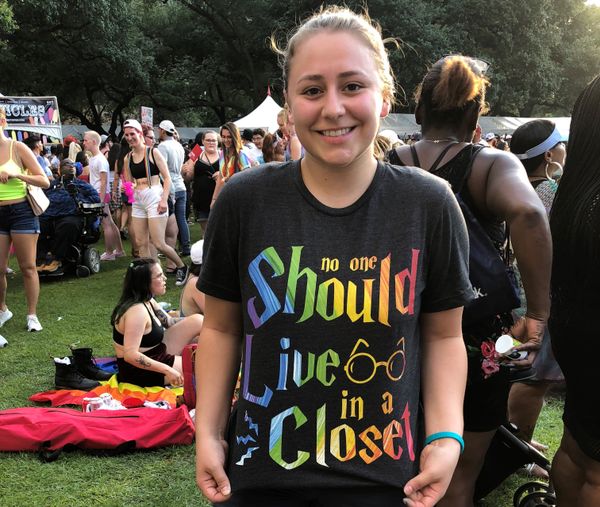
For some, it represents hard-pressed fundamentalism. It means Pentecostalism, representative of the revivalist movement that began in the 1970s. It represents conservatism and evangelicalism. For some, it means hate. It means protesting gay pride parades and abortion clinics. It means believing a my-way-or-the-highway idealism in terms of faith and spirituality.
For others, it means a Christ-like commitment to social justice and environmental issues. It means working to build the gap not just between other non-denominational churches, but also working to mend the burnt bridges with Protestants and Catholics.
Growing up in a non-denominational church, I've come to see this fairly recent phenomenon in the Christian faith as being characterized by small groups, lattes, cappuccinos and concert-like worship services. We weren't protestants (even though sometimes I joke that non-denominational Christians are Baptists in skinny jeans), and we certainly weren't liturgical (we don't play by such strict rules like "those Catholics who pray to Mary").
I guess what I'm trying to do here is describe the unique character of the non-denominational church. There actually is no such thing as a non-denominational church. To say such a thing is basically a paradox. What we describe as non-denominational is a church that does not associate itself with any official or organized institution.
Let's get technical:
Non-denominationalism is a much more decentralized approach to the actual structure of the church. It emphasizes communal membership at a much more local level, where theological beliefs are established within the actual church itself instead of relying on an over-arching superstructure that defines theology (The Baptist Conventions or the Catholic Church are good examples). Members of non-denominational churches both are members of local community and interpret things like scripture together (often by majority-rule).
There's nothing wrong with that. Everyone approaches the church differently and I believe God is very much present in these places.
Yet, I tend to look down my nose while I practice the perfected art of cynicism (an old habit I can't seem to shake off myself).
There are some times when the good news a non-denominational church tries to share turns out to be bad news. Don't get me wrong; Protestant, Catholic and Orthodox Christians (all of us) have their fair share of blame when it comes to damaging the credibility of the faith. Sometimes, though, it can feel like the non-denominational church wields the gospels like a knife instead of an invitation: People are made to feel excluded, some churches turn out to be nothing but an old boys club, the poor, oppressed and marginalized remain that way, churches begin to politicize themselves and it sometimes rewards a type of self-awareness that places the individual over the community.
Yet underneath all of this cynicism, I relent: sometimes it is good.
It is good when people who love each other live in unity. It is good that God thought people should not live alone and that God makes more than one kind of person. It's even better that God creates people who annoy me, because how else would I ever get to grow in kindness, patience, compassion and my walk with Christ?
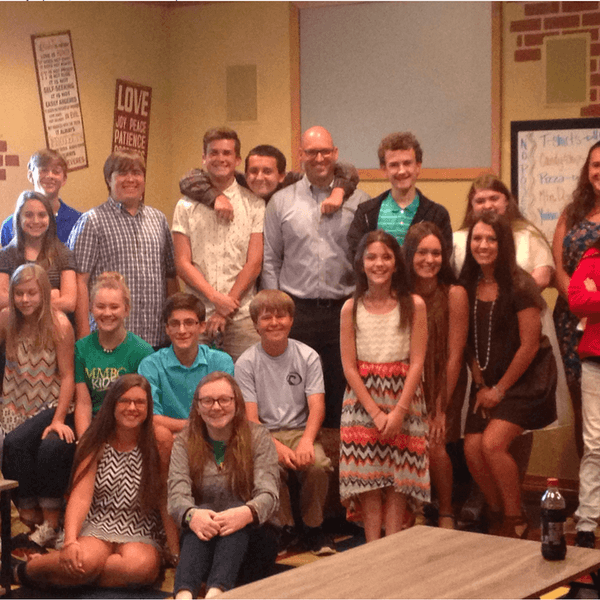
Small group friends are the first friends I've ever made. I've seen grace and forgiveness with these people. I've seen hot casseroles delivered to the doors of the grieving. I've seen prayer in living rooms and over dinner tables in times of hardship. I've seen people embrace one another with every ounce of sincerity they had left. I see in most Evangelicals an undying commitment to furthering social justice: homelessness, women leadership in church and community and LGBT inclusion.
The non-denominational Christians I know are ready to hear when they have wronged or hurt you, ready to practice your advice into their lives, ready to disagree, ready to wrestle in one moment and hug it out the next, ready to pray together over coffee. Non-denominational Christians (at least the ones not running for president) join with the rest of the faith community in acknowledging that they're not perfect.
I don't identify as an evangelical or a non-denominational Christian, but I know when I go back to one of these contemporary churches, I can't help but think: these are my people.
It's kind of like having embarrassing relatives who say weird and offensive things whilst refusing to acknowledge what they are saying is actually weird and offensive, but you love them anyway. You want to distance yourself from them because they are sometimes unkind or overly zealous, yet you crave their hugs. You're family and you fight like one.
I guess this is what this article is about. It's about attempting saying "yes" through half-parted lips. Yes, there are awful things, but good things happen, too.
It's hard not to apologize on behalf of non-denominationalism or the entire faith if I were, to be honest. It often fails, and it fails so terribly, but I love it anyway.
My faith made me who I am and that is something I can never be sorry for.