
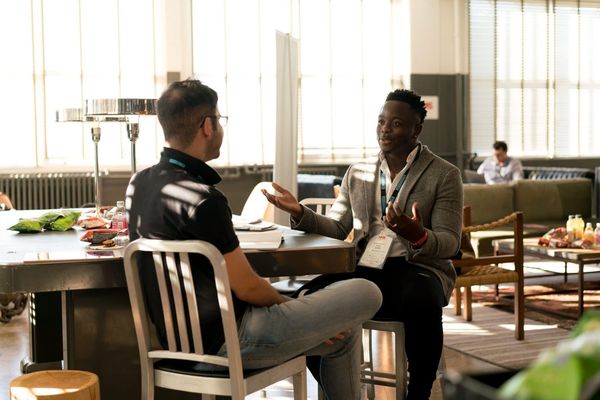
I'm good, how are you?
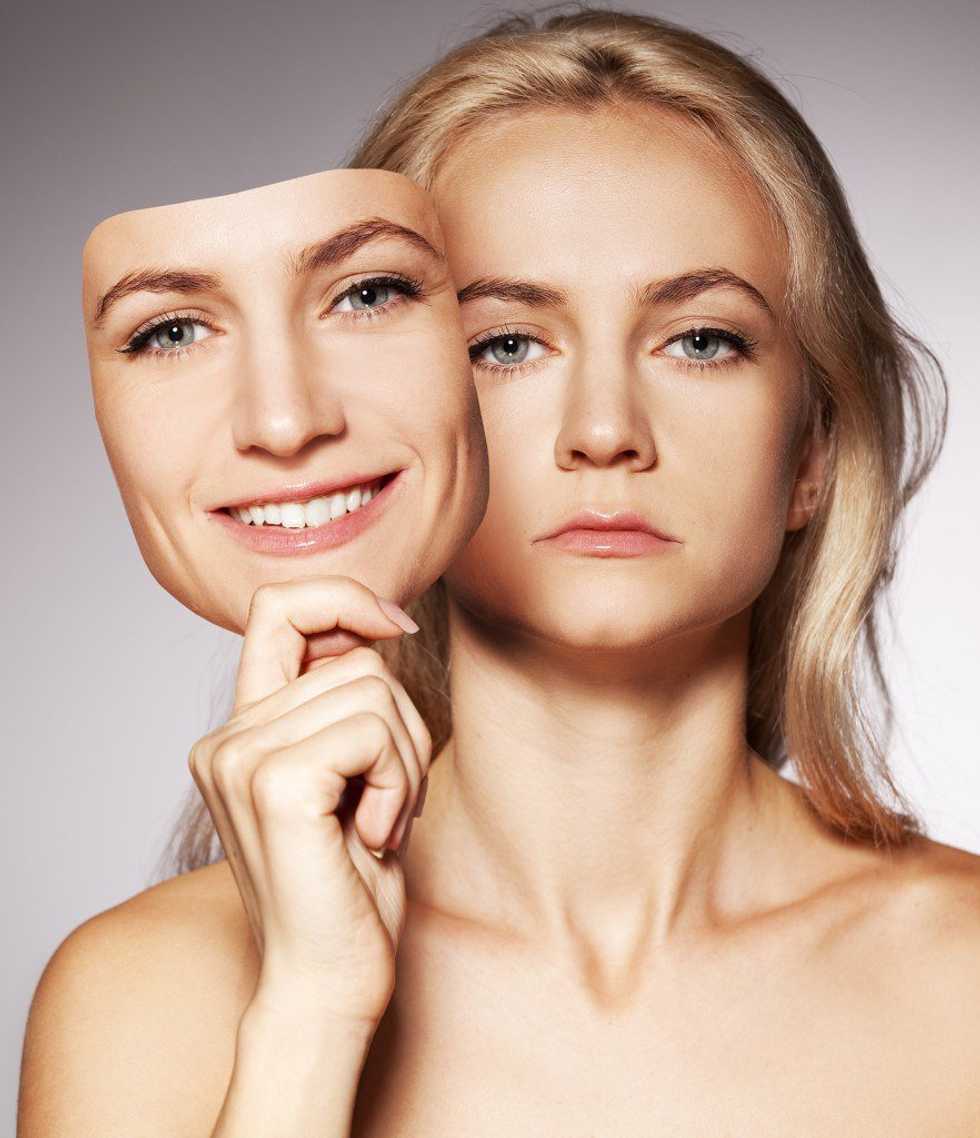
We use this phrase many times daily when running into people in passing. Whether it be a stranger, an acquaintance, a neighbor, or a friend, oftentimes the answer remains the same–but the problem is that we are not always doing “good.” We have a difficult time putting away the masked smiles and cheerful immediate responses because we want our lives to seem okay.
We attempt to portray our lives as perfect, but life is an imperfect thing. It is difficult, messy, uncomfortable, and it is definitely not all sunshine-and-rainbows. Everyone knows this of course, yet we continue to persist in our inability to share the burden of life with others. We compare our flawed lives with the “perfected” lives that people share on social media which results in envy and loneliness. We think we are not enough. But if we, as we are, are not enough then we will always be looking to be enough but never finding it. What we need is to be fully ourselves in our imperfections.
Society has shamed vulnerability. Vulnerability is a hushed conversation and when it is not talked about it becomes unacceptable and when it is shunned it becomes hidden. That is the bane of social media and the internet: we are isolated and disconnected but longing for and desiring real connection.
“It is not the critic who counts; not the man who points out how the strong man stumbles, or where the doer of deeds could have done them better. The credit belongs to the man who is actually in the arena, whose face is marred by dust and sweat and blood; who strives valiantly; who errs, who comes short again and again, because there is no effort without error and shortcoming; but who does actually strive to do the deeds; who knows great enthusiasms, the great devotions; who spends himself in a worthy cause; who at the best knows in the end the triumph of high achievement, and who at the worst, if he fails, at least fails while daring greatly, so that his place shall never be with those cold and timid souls who neither know victory nor defeat” -Theodore Roosevelt
We numb our vulnerability to be accepted but we cannot selectively numb our emotions. And when we numb our sorrows we also numb our joys. We become the boring, busy, inattentive, uninterested adults every child dreads turning into.
It feels the same for both men and women, but the messages being sent to each gender is different. Men are told to be men and to not be weak. Women are told that they must do it all, do it perfectly, and never let them see you sweat. These standards are unattainable. These expectations are conflicting and competing.
But the thing is, vulnerability is not weakness. Yes, there is an emotional risk, an exposure of the most painful parts of life, and an uncertainty of how others will respond. But it is our most accurate measurement of courage, to trust another human with those parts of ourselves. This is not to say that you should pour out your entire life to just anyone, which I think goes without saying. It takes a special kind of trust and love to share these things in full but the degree to which you share with others based on your closeness in relationship should never be fake or just “good.” “Good” does not say anything about how you are really doing–even “exhausted,” “stressed,” “hanging in there” phrases are more honest than “good.”
The most valuable conversations we have with people are not the “Hey! How are you?” “I’m good. How are you?” “Good.” conversations, they are the conversations that tend to last several hours and require vulnerability and acceptance on both ends. To be so vulnerable is to know you are alive and that you are loved.
This article is inspired by Brene Brown's TED Talks on vulnerability and listening to shame.