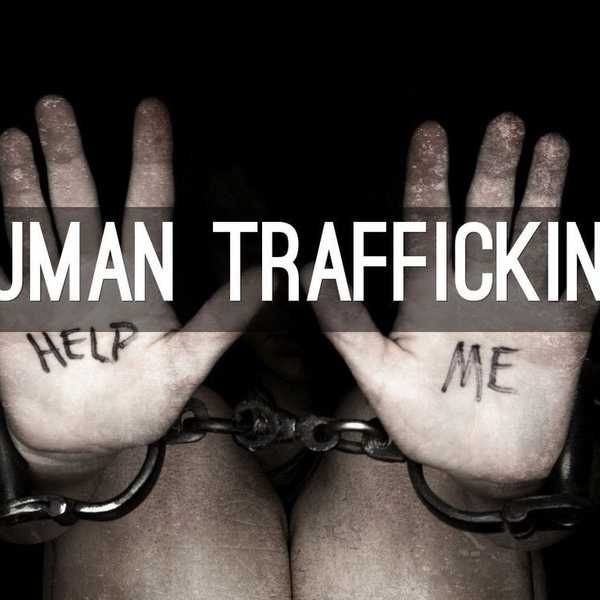
Human trafficking – it is happening to millions of people around the world, and it could happen to you next. At least, that is what the media would like you to believe. Movies like "Taken" (in which a white girl, vacationing in France with her friend, is abducted and forced into prostitution only to be speedily rescued by her ex-CIA father) have created a distorted image of what human trafficking typically looks like. Social media is also notorious for spreading false rumors of trafficking incidents – stories of young women being abducted while pumping gas, or walking to their car in the Walmart parking lot. Of course, there are cases of trafficking similar to these sensationalized stories; however, these cases are the exceptions, not the rule. In truth, most people are unaware of the full extent of human trafficking.
29 million. That is the number of people who are currently enslaved internationally.
These people come from infinitely diverse walks of life, but there are certain trends that prove dominant in human trafficking. For example, traffickers always prey on the most vulnerable individuals in a society. This explains why there are currently more women and children enslaved than men; because, more often than not, men are more difficult to restrain and abduct without making a scene. Furthermore, in many countries, women have far fewer rights than men and are thus less protected against traffickers. This is also why we see such dramatic spikes in trafficking in war-torn areas. For instance, in Syria, due to a lack of government stability and rapidly increasing levels of violence, the number of people being trafficked has skyrocketed since 2013.
In general, victims of trafficking are most often individuals with few people to miss them if they happened to disappear. This makes immigrants and refugees highly susceptible to trafficking. Even worse, these victims are often treated as enemies and outsiders in society, and, according to the "New York Times," “are wrongly classified as illegal migrants and criminals.” This classification often leads to the wrongful convictions of victims and make escaping trafficking appear nearly impossible, putting them in seemingly unwinnable situations. If we really want to eradicate human trafficking in the modern world, it is essential that we stop wrongfully labeling and convicting trafficking victims and begin treating them with the respect and compassion that they deserve.
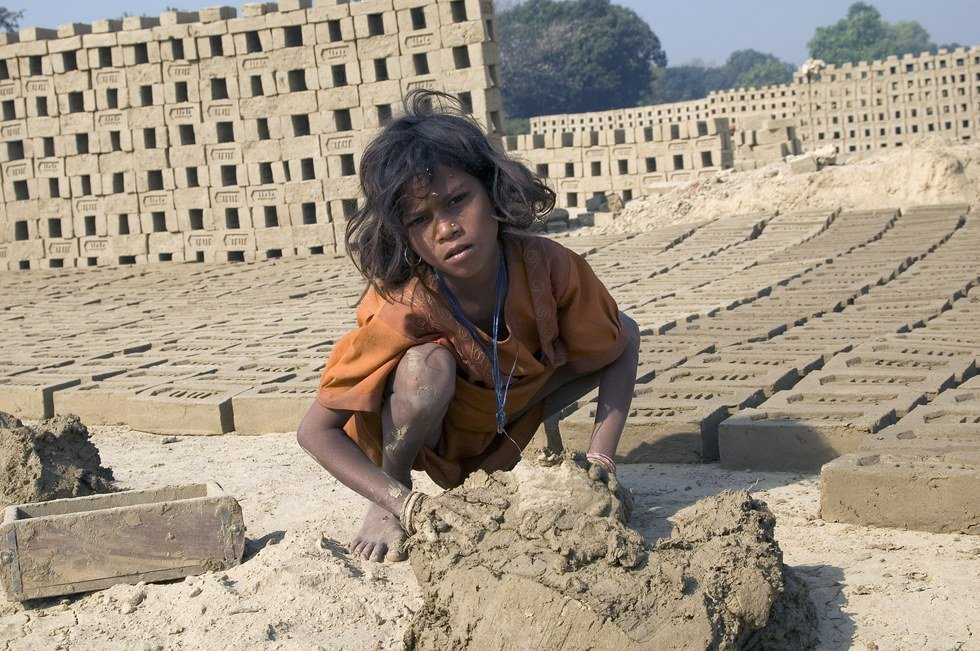
It is also important to note that human trafficking is not limited to sex trafficking and forced prostitution. Mainstream media focuses primarily on cases about young women and children who are forced into prostitution by pimps and sex lords – this is happening all around the world, and it is important. But, it is equally important to recognize the other forms that trafficking can take, such as labor trafficking. In his recent book "Blood and Earth," Dr. Kevin Bales, an expert on modern day slavery, tells the story of thousands of enslaved men, women and children in India who are forced to mine for and refine granite. When I first read Dr. Bales book, I was convinced that atrocities like this only happened in under-developed nations like India, but what I soon came to realize is that labor trafficking is going on all around us.
So no, you probably aren’t going to be drugged and kidnapped in the Walmart parking lot and trafficked into slavery. Chances are, that if you are like me, you will never be trafficked. Most likely, you will never be abducted and forced to work against your will, but others will. Every year, over 800,000 new victims are trafficked, and their lives matter. Their lives are worth fighting for. Regardless of who is being trafficked, regardless of whether or not it could be you or someone you know, this injustice affects us all and it will take all of us to eradicate human trafficking from the world.